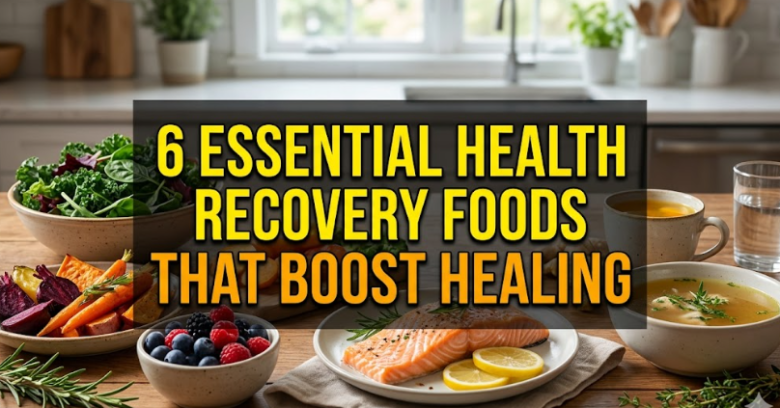
6 Essential Health Recovery Foods That Boost Healing
Recovering from illness, injury, or even intense physical exertion is a process that demands more than just rest. Nutrition plays a decisive role in how quickly and effectively the body repairs itself. While medications and therapies target specific symptoms, food works quietly in the background—rebuilding tissues, strengthening immunity, restoring energy levels, and supporting overall wellness.
When the body is under stress—whether from surgery, infection, or fatigue—it requires a higher intake of specific nutrients such as protein, vitamins, minerals, and antioxidants. The right foods don’t just fill the stomach; they actively accelerate healing, reduce inflammation, and protect the body from further damage.
Below are six essential foods that have consistently proven to support recovery and boost healing. Each one offers unique benefits, and when combined thoughtfully, they can significantly improve your body’s ability to bounce back.
1. Bone Broth: The Healing Elixir
Bone broth has been used for centuries in traditional medicine systems across cultures, and for good reason. It is a nutrient-dense liquid made by simmering animal bones and connective tissues for extended periods. This slow cooking process extracts vital compounds that are incredibly beneficial for recovery.
What makes bone broth particularly powerful is its richness in collagen, gelatin, and amino acids such as glycine and proline. These nutrients are essential for repairing tissues, healing the gut lining, and supporting joint health. After surgery or illness, when the digestive system may be sensitive, bone broth provides nourishment that is easy to absorb.
Additionally, bone broth contains minerals like calcium, magnesium, and phosphorus in forms that the body can readily use. These minerals help rebuild strength and support cellular functions.
Another often-overlooked benefit is hydration. When recovering, especially from fever or infections, maintaining proper hydration is crucial. Bone broth not only replenishes fluids but also restores electrolytes.
In practical terms, incorporating bone broth into your recovery diet can be as simple as drinking it warm like tea or using it as a base for soups and stews. It is gentle on the stomach while delivering a concentrated dose of healing nutrients.
2. Eggs: Nature’s Perfect Protein Source
Eggs are one of the most complete and versatile foods available. During recovery, the body requires high-quality protein to repair damaged tissues and build new cells, and eggs deliver exactly that.
Each egg contains all nine essential amino acids, making it a complete protein source. These amino acids are the building blocks the body uses to heal wounds, regenerate muscles, and maintain organ function.
Eggs are also rich in important vitamins such as vitamin A, vitamin D, vitamin B12, and choline. Vitamin A supports immune function and skin repair, while vitamin D plays a crucial role in bone health and immune regulation. Choline, often underrated, is essential for brain function and cellular repair.
Another advantage of eggs is their digestibility. Soft-boiled, scrambled, or poached eggs are easy on the digestive system, making them ideal for individuals recovering from illness or surgery.
Beyond their nutritional value, eggs are convenient and affordable, making them accessible to almost everyone. Including eggs in daily meals—whether at breakfast or as part of a light dinner—can significantly enhance the body’s recovery process.

3. Leafy Greens: Nutrient Powerhouses for Cellular Repair
Leafy greens such as spinach, kale, and Swiss chard are among the most nutrient-dense foods you can consume during recovery. They are packed with vitamins, minerals, and antioxidants that play a critical role in healing.
One of the key nutrients found in leafy greens is vitamin C, which is essential for collagen production. Collagen is a protein that helps repair skin, blood vessels, and tissues. Without sufficient vitamin C, the healing process slows down significantly.
Leafy greens are also rich in vitamin K, which is important for blood clotting. This is particularly beneficial for individuals recovering from injuries or surgeries, as it helps prevent excessive bleeding and supports wound healing.
Additionally, these vegetables contain antioxidants such as beta-carotene and flavonoids, which combat oxidative stress. When the body is healing, it produces free radicals as part of the immune response. Antioxidants neutralize these free radicals, reducing inflammation and preventing further damage.
Another important component is fiber, which supports gut health. A healthy gut is essential for nutrient absorption and immune function, both of which are crucial during recovery.
Incorporating leafy greens into your diet can be done in various ways—smoothies, soups, salads, or lightly sautéed dishes. Even small daily servings can make a noticeable difference in recovery speed.
4. Fatty Fish: Anti-Inflammatory Champions
Fatty fish such as salmon, mackerel, and sardines are rich in omega-3 fatty acids, which are well-known for their anti-inflammatory properties. Inflammation is a natural part of the healing process, but excessive inflammation can slow recovery and cause additional discomfort.
Omega-3 fatty acids help regulate the body’s inflammatory response, ensuring that it remains balanced. This is particularly beneficial for individuals recovering from injuries, surgeries, or chronic illnesses.
In addition to omega-3s, fatty fish provide high-quality protein, which supports tissue repair and muscle recovery. They are also excellent sources of vitamin D, which plays a vital role in immune function and bone health.
Another benefit of fatty fish is their impact on mental health. Recovery can often be accompanied by stress, anxiety, or low mood. Omega-3 fatty acids have been shown to support brain health and may help improve mood during challenging recovery periods.
Eating fatty fish two to three times a week can significantly enhance the body’s ability to heal. Grilled, baked, or lightly steamed preparations are ideal to preserve their nutritional value.
5. Yogurt and Fermented Foods: Gut-Healing Allies
The health of your gut plays a central role in overall recovery. A large portion of the immune system resides in the gut, and maintaining a healthy balance of bacteria is essential for fighting infections and absorbing nutrients.
Yogurt and other fermented foods such as kefir, sauerkraut, and kimchi are rich in probiotics—beneficial bacteria that support gut health. These probiotics help restore the natural balance of the microbiome, especially after illness or antibiotic use.
Yogurt is also a good source of protein and calcium, both of which are important for tissue repair and bone health. Additionally, it contains B vitamins that support energy production and overall vitality.
Fermented foods also aid digestion, making it easier for the body to process and absorb nutrients from other foods. This is particularly important during recovery when the digestive system may be compromised.
Including a serving of yogurt or fermented food in your daily diet can help strengthen your immune system and improve your body’s resilience.
6. Berries: Antioxidant-Rich Healing Boosters
Berries such as blueberries, strawberries, raspberries, and blackberries are small but incredibly powerful when it comes to supporting recovery. They are loaded with antioxidants, vitamins, and fiber that contribute to healing.
One of the standout nutrients in berries is vitamin C, which supports immune function and collagen production. This is essential for repairing tissues and maintaining skin health.
Berries are also rich in anthocyanins, a type of antioxidant that gives them their vibrant color. These compounds have strong anti-inflammatory properties and help protect cells from damage.
Another advantage of berries is their natural sweetness, which can be appealing during recovery when appetite may be reduced. They provide a healthier alternative to sugary snacks while still satisfying cravings.
Berries can be enjoyed fresh, frozen, or blended into smoothies. Adding them to yogurt, oatmeal, or simply eating them as a snack can provide a delicious and effective boost to your healing process.

Bringing It All Together
While each of these foods offers unique benefits, their true power lies in combination. A recovery-focused diet should aim to include a balance of protein, healthy fats, vitamins, and minerals.
For example, a simple meal of grilled salmon with sautéed spinach and a side of yogurt topped with berries can provide a wide range of nutrients that support healing from multiple angles.
Consistency is key. Healing doesn’t happen overnight, and neither does the impact of nutrition. Regularly incorporating these foods into your diet can create an environment where the body is well-equipped to repair itself efficiently.
It is also important to listen to your body. Recovery needs can vary depending on the individual and the nature of the condition. Staying hydrated, getting enough rest, and maintaining a balanced diet all work together to support the healing process.
FAQs
1. How quickly can these foods improve recovery?
The impact varies depending on the individual and the condition. However, consistent consumption of nutrient-rich foods can start supporting the healing process within a few days to a week.
2. Can I rely only on food for recovery?
While food plays a crucial role, it should complement medical treatment, rest, and proper care. Nutrition enhances recovery but does not replace professional medical advice.
3. Are supplements necessary along with these foods?
In many cases, a balanced diet can provide sufficient nutrients. However, supplements may be recommended by healthcare professionals if there are specific deficiencies.
4. What foods should I avoid during recovery?
Processed foods, excessive sugar, and fried items can increase inflammation and slow down healing. It is best to focus on whole, nutrient-dense foods.
5. Can vegetarians follow a recovery-focused diet?
Yes, vegetarians can substitute animal-based proteins with plant-based options like legumes, tofu, nuts, and seeds while still benefiting from other healing foods like leafy greens and berries.
6. How important is hydration in recovery?
Hydration is extremely important. Water supports nutrient transport, temperature regulation, and toxin removal, all of which are essential for effective healing.
Focusing on the right foods during recovery is one of the simplest yet most powerful ways to support your body. By nourishing yourself with these essential healing foods, you give your body the tools it needs to repair, rebuild, and return to strength.