Introduction
I’ve always thought of myself as someone who’s pretty on top of my health game, but the past couple of years have thrown some curveballs with all these new viruses popping up. You know, it’s not just the big one everyone talks about; there are variants and other bugs making the rounds that keep us on our toes. I used to go about my day without much worry, but after a close call with getting sick last winter, I decided it was time to shake things up. That’s when I dove into some personal health updates specifically aimed at protecting against these newly emerging viruses. And let me tell you, incorporating these four changes into my routine hasn’t just kept me healthier—it’s transformed how I live my life. They’re simple, practical tweaks, but they’ve made a world of difference. In this article, I’ll walk you through each one, sharing my experiences, the science behind them, and how they’ve reshaped my daily habits. It’s not about fear-mongering; it’s about being smart and proactive in a world where viruses seem to evolve faster than we can keep up.
First Update: Enhancing Indoor Air Quality
One of the biggest shifts I made was focusing on the air I breathe indoors. It sounds basic, but with new viruses spreading through airborne particles, I realized my home and office weren’t as safe as I thought. Before, I’d crack a window now and then, but that was it. Now, I’ve invested in better ventilation and air purification, and it’s changed everything from how I sleep to how I work.
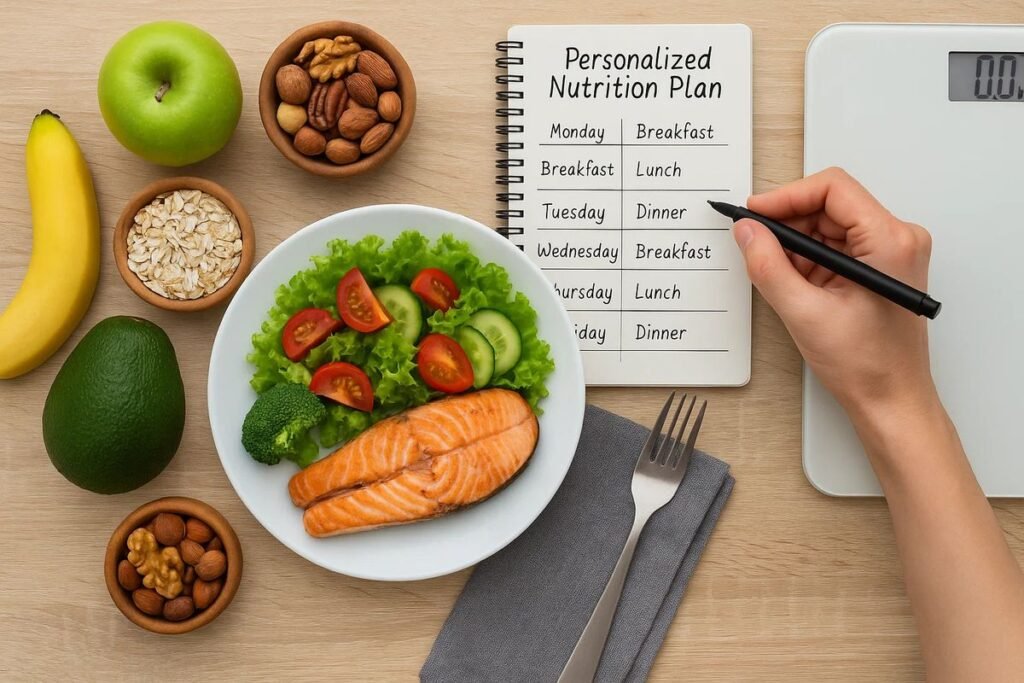
Let me start with why this matters. Viruses like the ones we’ve seen recently can linger in the air for hours, especially in poorly ventilated spaces. Studies from places like the CDC and WHO emphasize that improving air flow reduces transmission risks by diluting viral particles. I remember reading about how in crowded indoor settings, the concentration of aerosols can build up, making it easier to catch something. So, I figured, why not tackle this head-on?
My first step was getting a HEPA filter air purifier for my living room and bedroom. I chose one with a CADR rating high enough for the room size—around 250 for my 300-square-foot space. It wasn’t cheap, about $150, but it’s been worth it. Now, every morning, I turn it on while I make coffee, and it runs quietly in the background all day. The difference? I used to wake up stuffy, especially during allergy season, but now the air feels crisp and clean. Plus, with viruses in mind, knowing it’s capturing particles as small as 0.3 microns gives me peace of mind.
But I didn’t stop there. I also started using natural ventilation more strategically. In my routine, I open windows for cross-breezes whenever the weather allows, aiming for at least 15-20 minutes a few times a day. This flushes out stale air and brings in fresh oxygen. I even rearranged my furniture to not block vents. At work, I advocated for better HVAC maintenance, and surprisingly, my boss agreed after I shared some articles on productivity links to air quality.
Personally, this update has altered my evenings the most. I used to binge-watch shows with the windows shut, but now I make it a point to air out the room first. It’s become a ritual: open windows, run the purifier, and then settle in. I’ve noticed fewer headaches and better focus. Last flu season, while colleagues were dropping like flies, I stayed healthy. Coincidence? Maybe, but I credit the cleaner air.
Of course, it’s not all perfect. In a city like mine, pollution can sneak in with open windows, so I check air quality apps before venting. And maintaining the purifier means changing filters every few months, which adds to the chore list. But overall, this change has made my home feel like a sanctuary against whatever virus is out there next.
To dive deeper, let’s talk about the tech side. Some purifiers come with UV-C lights that zap viruses on contact. I upgraded to one of those, and while the science is mixed on how effective UV is in home settings, it adds an extra layer. I also track CO2 levels with a cheap monitor—anything over 800 ppm, and I ventilate. This data-driven approach keeps me accountable.
In terms of routine, mornings now include checking the monitor and adjusting accordingly. It’s a small time investment, maybe five minutes, but it sets a healthy tone for the day. Even my workouts have improved; I exercise in a well-ventilated space, reducing the risk if I’m breathing heavily.
This update isn’t just about viruses—it’s boosted my overall well-being. Better air means better sleep, which ties into immunity. I sleep deeper now, without that groggy feeling. If you’re skeptical, try it for a week; the freshness is addictive.
Expanding on the benefits, improved air quality helps with cognitive function. Research shows poor indoor air can impair decision-making, something I noticed at work. Pre-update, afternoons dragged; now, I’m sharper. For families, this is crucial—kids bring home all sorts of germs, and clean air acts as a first defense.
Cost-wise, initial setup was around $200, but energy bills haven’t spiked much. It’s sustainable. I even DIY’d some improvements, like sealing drafts to keep conditioned air in while venting strategically.
In conclusion for this section, enhancing indoor air quality has been a game-changer. It’s not flashy, but in the fight against new viruses, it’s foundational. My routine feels more intentional, and I’m healthier for it.
Second Update: Boosting Immune Support Through Nutrition
The second big change was revamping my diet to focus on immune-boosting foods. I wasn’t eating junk before, but my meals were haphazard—grab-and-go stuff that didn’t prioritize virus protection. Now, I plan around nutrients that science links to stronger defenses against infections.
Why nutrition? Emerging viruses exploit weak immune systems, and while no food is a cure, certain ones enhance your body’s ability to fight back. Vitamins C, D, zinc, and probiotics are key players. I started after reading about how deficiencies correlate with severe illness in viral outbreaks.
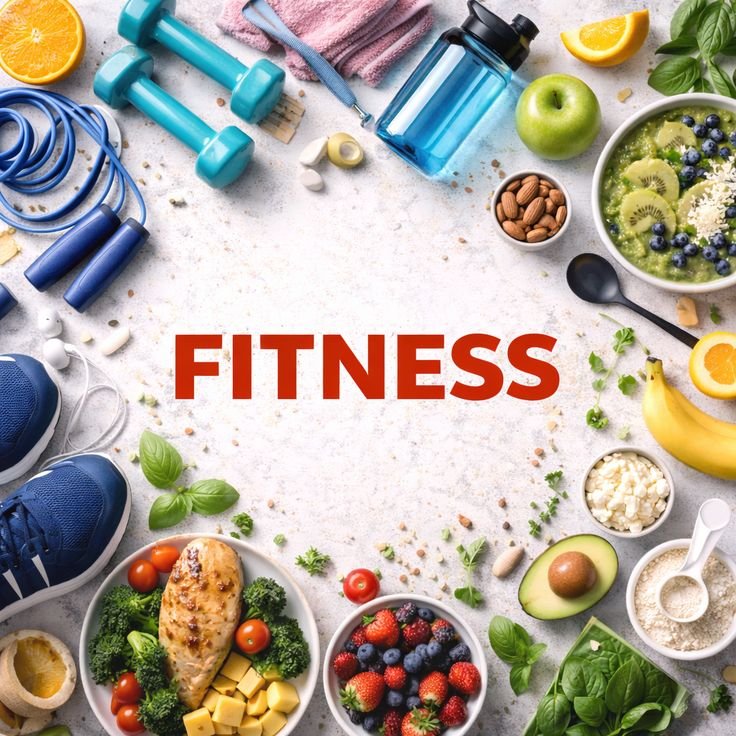
My routine kicked off with breakfast: instead of cereal, I blend a smoothie with berries, spinach, yogurt, and a dash of turmeric. Berries are packed with antioxidants that combat inflammation, a big factor in viral complications. Yogurt provides probiotics for gut health, where much of immunity resides.
Lunch shifted to salads with garlic, onions, and lean proteins. Garlic has allicin, which has antiviral properties—studies show it can inhibit virus replication. I add it raw when possible, like in dressings. For dinner, fatty fish like salmon for omega-3s, which reduce inflammation.
Snacks? Nuts and seeds for zinc; I keep a mix on my desk. And I upped my water intake, aiming for 3 liters a day, sometimes infused with lemon for extra vitamin C.
This overhaul changed my shopping habits. Weekly grocery lists now emphasize whole foods over processed. I meal prep on Sundays, chopping veggies and portioning proteins, which saves time during the week.
Personally, the energy boost was immediate. I used to crash mid-afternoon; now, sustained focus. Last year, when a new virus variant hit my circle, I had mild symptoms while others suffered. I attribute it partly to this nutritional foundation.
But it’s not without challenges. Eating out is trickier—I scan menus for immune-friendly options. And supplements? I added vitamin D after testing low, but I prefer food sources first.
Let’s talk science: A study in the British Medical Journal linked higher vitamin D levels to lower COVID severity. Zinc shortens cold duration, per meta-analyses. Probiotics modulate immune responses, reducing infection risks.
In my routine, evenings include herbal teas like ginger or echinacea, known for antiviral effects. It’s relaxing and protective.
This update extends to mindset. I view food as medicine now, not just fuel. Tracking apps help me hit nutrient goals without obsessing.
For variety, I experiment with recipes—stir-fries with broccoli (sulforaphane for detox) or soups with bone broth (collagen for gut lining).
Cost? Initially higher, but buying in bulk saves. Health savings outweigh it—no doctor visits lately.
Overall, this nutritional shift has made me more resilient. It’s empowering to know my plate fights viruses.
Third Update: Incorporating Regular Movement and Outdoor Time
Movement wasn’t new to me, but tying it specifically to virus protection was. I used to gym sporadically; now, daily activity, especially outdoors, is non-negotiable. It strengthens immunity and reduces stress, a virus enabler.
Why this? Exercise boosts white blood cells, key in fighting infections. Outdoor time adds vitamin D from sun exposure, crucial for immune function. With new viruses, staying fit means better outcomes if infected.
My routine: 30 minutes of brisk walking daily, rain or shine. Mornings, I lace up and head to the park, breathing fresh air. It clears my head and kickstarts metabolism.
Afternoons, bodyweight exercises like push-ups or yoga at home. Yoga’s breathing techniques enhance lung capacity, vital for respiratory viruses.
Weekends, longer hikes for endurance. I track steps with a fitness app, aiming for 10,000.
Personally, this has improved my mood immensely. Endorphins combat anxiety about health news. Physically, I’m leaner, with better stamina.
Challenges: Winter weather makes outdoors tough, so I layer up or switch to indoor cardio. Motivation dips, but habit stacking—pairing walks with podcasts—helps.
Science backs it: Moderate exercise reduces upper respiratory infections by 25-50%, per reviews. Sunlight boosts serotonin too.
In routine, post-work walks decompress the day. It’s social—I sometimes invite friends, masked if needed.
This update ties into sleep; better movement means deeper rest.
Cost-free mostly, except comfy shoes. It’s accessible.
It’s made me appreciate nature more, a bonus in urban life.
Fourth Update: Adopting Tech for Monitoring and Prevention
Lastly, I embraced technology for health tracking and virus alerts. From apps to wearables, it’s like having a personal guard against new threats.
Why tech? Real-time data empowers quick responses. Apps notify outbreaks, wearables detect early symptoms.
I use a smartwatch for heart rate, sleep, and oxygen levels. Anomalies prompt rest or testing.
Apps like health trackers log symptoms; government ones alert local risks.
Routine: Morning check-ins on apps, adjusting plans—like avoiding crowds if cases rise.
Personally, it caught a potential issue once—low oxygen led to a check-up, nothing serious, but proactive.
Challenges: Data privacy concerns, so I use reputable apps. Battery life means nightly charging.
Science: Wearables predict illness days early via algorithms.
This integrates with others—apps suggest immune foods or air quality.
It’s futuristic but practical.
Conclusion
These four updates—air quality, nutrition, movement, and tech—have revolutionized my routine against new viruses. I’m not invincible, but prepared. Health is holistic; these build resilience. Try one; it might change yours too.