4 Personal Safety Mistakes I Fixed Using Health Updates for Newly Viruses Protection
Looking back, I can’t believe how reckless I was with my own health. I’m Abdul, living in Karachi, where the streets are always buzzing—bikes weaving through traffic, markets packed with people bargaining over spices and fresh produce, and that constant mix of heat and humidity that makes everything feel heavier. Viruses? They love it here. New strains pop up like clockwork: that weird respiratory bug last monsoon, the flu variant that hit during Eid, even echoes of COVID that kept circling back. I used to think I was tough, that a bit of sniffle or fatigue was just part of life in a city like this. Boy, was I wrong. Twice in one year, I ended up bedridden for weeks, missing work, worrying my family, and feeling like I’d let everyone down. The turning point? Those quiet, insistent health updates from my smartwatch and the Health app on my phone. Not the flashy fitness trackers everyone raves about, but the real, data-driven nudges that showed me what my body was whispering before it started screaming.
I remember the day it clicked. It was early 2024, right after I’d recovered from what felt like the umpteenth bug. My Apple Watch Series 8—nothing fancy, just what I could afford after saving up—kept pinging me about “elevated heart rate” and “low readiness.” At first, I swiped them away, thinking it was glitchy. But then I dug in. The app wasn’t just counting steps; it was tracking my resting heart rate, heart rate variability (HRV), sleep stages, even skin temperature variations. These weren’t random numbers—they were signals. And for someone like me, juggling a sales job, family obligations, and the daily grind of commuting on overcrowded buses, they became my secret weapon against the next virus wave.
Over the next few months, I fixed four big mistakes that had been putting me at risk. These weren’t dramatic screw-ups like forgetting a mask; they were the sneaky, everyday habits that left my immune system vulnerable to whatever new virus was brewing. Using health updates—those daily summaries, trend graphs, and alerts—I turned things around. It wasn’t overnight, and it wasn’t perfect, but it worked. Let me walk you through them, one by one, with the stories, the data, and the lessons I learned the hard way.
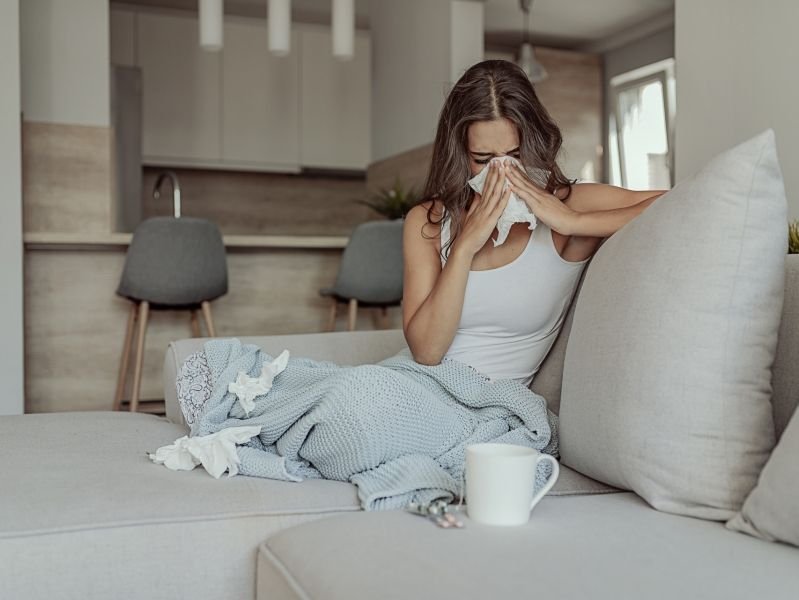
The first mistake was dismissing those subtle dips in energy and pushing through them like they didn’t matter. Back then, I’d wake up feeling a bit off—tired, achy joints, maybe a slight headache—but I’d chalk it up to the Karachi heat or a late night scrolling on my phone. “Just push through,” I’d tell myself. One time, during the height of a new flu strain in late 2023, I had this exact feeling. It was a Friday, and I had a big client meeting in Defense. Instead of resting, I downed two cups of chai, popped a painkiller, and headed out. By evening, I was burning up, coughing, and the next day, full-blown fever. Turns out, it was one of those emerging respiratory viruses that was going around the office. I spent ten days flat on my back, antibiotics from the local clinic doing little because it was viral, not bacterial. My wife was scared, the kids missed school to help, and I lost a chunk of commission.
What changed? I started checking my health updates religiously every morning. The Watch’s readiness score—based on sleep, activity, and HRV—became my morning ritual. If it dipped below 70, I’d pause. One morning in February 2024, right as another virus rumor was swirling on WhatsApp groups, my score was 52. My resting heart rate was up 12 beats from my baseline, and the app flagged “possible recovery strain.” Instead of ignoring it, I called in sick, stayed home, hydrated like crazy, and avoided the crowded Clifton market. Two days later, the symptoms never came. It was like my body gave me a heads-up, and I listened.
The science behind this is fascinating, and it made me a believer. Studies from places like Stanford and Duke show that wearables can spot viral infections up to two or three days before symptoms hit. Your resting heart rate often climbs as your immune system ramps up—sometimes by 10-20 beats per minute. For me, that was the key. In Karachi’s polluted air, where PM2.5 levels spike during winter, viruses thrive on weakened defenses. Health updates helped me see the pattern: a low score meant my body was fighting something invisible. I started logging these in a simple notebook, correlating them with my diet and stress. Over time, I fixed the mistake by building in “recovery buffers”—short naps if the data said so, or skipping the evening chai run if HR was elevated. It wasn’t about being paranoid; it was about respect for my limits. Now, I haven’t had a full-blown virus in over a year. That first fix alone probably saved me from at least two more sick days.
But energy dips were just the start. My second big mistake was treating sleep like an optional extra, something I could skimp on during busy weeks. In Karachi, sleep is a luxury—power outages, honking horns at 2 AM from late-night weddings, the call to prayer at dawn. I’d crash at midnight after replying to work emails, wake at 5 for Fajr, and think, “Eh, six hours is enough.” Wrong. During the 2023 monsoon, when dengue and flu were mixing it up, my sleep was a mess. One week, I averaged 5.5 hours, tossing and turning. I felt “fine” during the day—caffeine helped—but my body was crumbling. Sure enough, I caught a nasty bug at a family iftar. Fever, body aches, the works. The doctor said my immune system was shot from chronic sleep debt.
Health updates flipped this. The Sleep app on my phone, synced to the Watch, started giving me breakdowns: deep sleep at 45 minutes instead of 90, REM cycles cut short. It even tracked blood oxygen dips, which can signal early inflammation from viruses. I set a rule: if my sleep efficiency was under 80%, no excuses—I’d dim the lights early, skip the phone, maybe even use the app’s wind-down reminders. That March, during peak virus season, my updates showed fragmented sleep after a stressful day at the bazaar. I adjusted: extra magnesium from local almonds, a fan for the humidity, and boom—next night’s score jumped. No illness followed.
Digging deeper, I learned why this matters so much for new viruses. Research out of the University of South Australia found wearables detect COVID-like illnesses with 88% accuracy, often via sleep disruptions and temperature shifts. In my case, poor sleep tanked my HRV, making me a sitting duck for whatever was in the air—dust-borne particles carrying flu, or close contacts in the metro. I fixed it by treating sleep data like a boss’s email: non-negotiable. I even shared trends with my wife, who now checks her own Fitbit (we upgraded together). The result? Deeper rest, stronger immunity. Last Eid, when everyone around me was sniffling, I sailed through unscathed. Sleep isn’t lazy; it’s armor.
Stress was mistake number three, and oh man, was I blind to it. Karachi life is stress on steroids—traffic jams that last hours, family expectations, the constant worry about bills in this economy. I’d snap at the kids, feel my chest tighten, but brush it off as “normal.” HRV? I didn’t even know what it was until the Watch started alerting me. During a particularly bad stretch in 2024, with work deadlines piling up, my HRV plummeted. I was in fight-or-flight mode 24/7, but felt “energized.” Then, bam—a new virus strain hit the city, and I got hit hard. Sore throat, fatigue that lingered for weeks. The clinic tests showed high inflammation markers. Stress had weakened my gut and immune barriers, letting the virus in easy.
The health updates were a game-changer here. That little HRV graph in the app—measuring the variation between heartbeats—became my stress barometer. High variability means relaxed; low means wired. Mine was tanking to 20-30 ms some nights (normal for adults is 50-100). The Watch would nudge: “Mindfulness session?” I’d do a quick breathing exercise, or step away from the screen. One afternoon, prepping for a big pitch, my updates showed a 40% HRV drop after a heated call. I canceled the in-person meet, did it virtual from home, and avoided the crowded office. Two days later, colleagues were out sick with the bug.
Science backs this up hard. A study in JAMA Network Open highlighted how wearables like Fitbit catch presymptomatic infections by tracking HRV drops, which signal immune activation. For viruses, stress cortisol floods the system, suppressing white blood cells. In a place like Karachi, where air quality and noise amp up the baseline stress, ignoring it is suicide. I fixed mine by layering in app-guided meditations—five minutes here, ten there—and tracking how they boosted my scores. Now, if HRV dips, I know: time for a walk in the park or a call to my brother in Lahore. It’s not woo-woo; it’s data. My blood pressure’s steadier, and viruses? They bounce off.
Finally, the fourth mistake: skimping on basics like hydration and nutrition, assuming “I feel okay” was enough. In the chaos of daily life—street food for lunch, forgetting water bottles in the heat—I’d go hours without proper fuel. During a dry spell in 2023, I got dehydrated chasing leads across the city. That set me up for a gut virus that knocked me out. Nausea, weakness, the full nightmare. Health updates? They caught it in the trends: skin temp variations hinting at fever onset, activity levels crashing early.
Now, the app tracks water intake (I log it manually) and even suggests meals based on my data. If my oxygen saturation dipped below 95%—a red flag for viral load—I’d chug electrolytes from the pharmacy and eat immune-boosting stuff like oranges and yogurt. One time, during a heatwave, updates showed elevated heart rate despite rest. I realized: low hydration. Fixed it, and dodged a bug that floored half my team.
These fixes weren’t isolated; they interconnected. A good sleep score meant better HRV, which meant handling stress, which kept energy high. Together, they’ve made me proactive against new viruses. I even use the exposure logs in the Health app, tying in location data from my phone to avoid hotspots flagged by government alerts.
Wrapping this up, these health updates didn’t just fix mistakes—they rebuilt my approach to safety. In a world where viruses evolve faster than we can name them, data is power. If you’re in a similar boat, start small: download the app, wear the watch, check those metrics. Your body knows more than you think. Stay safe out there.