
16 Game-Changing Immunity Ideas from Health Updates for Newly Viruses Protection
New viruses don’t ask for permission before entering our lives. In the past few years, the world has learned that immune strength isn’t just a wellness trend — it’s survival intelligence. While no strategy can guarantee zero infections, strong immunity dramatically improves your body’s ability to resist, fight, and recover from viral threats.
Health experts now emphasize a multi-layered immunity approach — combining nutrition, lifestyle, hygiene, mental health, and smart supplementation. Your immune system is not a single organ but a complex defense network influenced by sleep, stress, diet, physical activity, gut health, and environmental exposure.
According to public health guidance, healthy habits like balanced nutrition, physical activity, sleep, and avoiding smoking significantly enhance immune function and resilience against infections.
This comprehensive guide reveals 16 powerful, science-backed immunity ideas designed for protection against newly emerging viruses.
Understanding Immunity in the Age of New Viruses
Your immune system has two major components:
| Immune Type | Function | Response Speed |
|---|---|---|
| Innate Immunity | First line defense (skin, mucus, inflammation) | Immediate |
| Adaptive Immunity | Produces antibodies & memory cells | Slower but targeted |
Viruses exploit weaknesses — poor sleep, nutrient deficiencies, chronic stress, obesity, dehydration, and inactivity.
Modern research shows immune strength depends heavily on lifestyle choices rather than genetics alone.
16 Game-Changing Immunity Ideas
1. Build a Virus-Fighting Nutrition Foundation
Food is immune programming.
A nutrient-dense diet reduces infection risk and severity by supplying vitamins, minerals, antioxidants, and anti-inflammatory compounds.
Key Immune Nutrients
| Nutrient | Role | Food Sources |
|---|---|---|
| Vitamin C | Antioxidant, white blood cell support | Citrus, peppers, berries |
| Vitamin D | Immune regulation | Sunlight, fish, eggs |
| Zinc | Antiviral defense | Nuts, seeds, meat |
| Protein | Antibody production | Eggs, legumes, poultry |
| Omega-3 | Anti-inflammatory | Fatty fish, flaxseeds |
Deficiencies weaken immunity, while balanced intake strengthens viral resistance.
2. Sleep Like Your Immunity Depends on It (Because It Does)
Sleep deprivation disrupts immune responses and increases susceptibility to infections.
During deep sleep:
- Cytokines (infection-fighting proteins) are released
- Immune memory strengthens
- Inflammation regulates
Optimal Sleep Chart
| Age Group | Recommended Hours |
|---|---|
| Adults | 7–9 hours |
| Teens | 8–10 hours |
| Children | 9–12 hours |
Poor sleep = weaker viral defense.
3. Move Your Body — But Don’t Overtrain
Moderate exercise enhances immune cell circulation and reduces inflammation.
However, excessive intense training without recovery can temporarily weaken immunity.
Ideal Weekly Activity Plan
| Activity Type | Minutes/Week |
|---|---|
| Moderate cardio | 150 |
| Strength training | 2 days |
| Mobility/stretch | Daily |
Exercise also improves sleep and stress resilience — two major immunity boosters.

4. Maintain a Healthy Weight
Obesity is linked to impaired immune function and lower vaccine effectiveness.
Fat tissue produces inflammatory chemicals that confuse immune signaling.
5. Master Stress Before It Masters Your Immunity
Chronic stress suppresses immune communication and sleep quality.
Stress hormones like cortisol reduce infection resistance.
Stress-Reduction Tools
| Method | Effect |
|---|---|
| Meditation | Lowers cortisol |
| Deep breathing | Activates relaxation response |
| Nature exposure | Reduces inflammation |
| Social connection | Impros mental resilience |
6. Hydration: The Forgotten Immunity Booster
Dehydration affects organ function and increases susceptibility to illness.
Water supports:
- Nutrient transport
- Toxin removal
- Lymphatic circulation
- Temperature regulation
7. Harness the Power of Vitamin D
Vitamin D plays a major role in antiviral immune responses.
Supplementation may reduce respiratory infection risk, especially in deficient individuals.
Sunlight exposure also supports natural production.
8. Zinc: Your Viral Defense Mineral
Zinc supports innate and adaptive immunity and may shorten cold duration when taken early.
Deficiency increases vulnerability to infections.
9. Build a Strong Gut Microbiome
About 70% of immune cells reside in the gut.
Fiber, probiotics, and fermented foods nourish beneficial bacteria that regulate immune responses.
10. Prioritize Hygiene Without Weakening Natural Immunity
Handwashing, oral hygiene, and safe food practices reduce viral exposure.
Good hygiene lowers infection load so the immune system isn’t overwhelmed.
11. Quit Smoking and Limit Alcohol
Smoking weakens lung defenses and immune function.
Excess alcohol disrupts immune responses and sleep quality.
12. Use Smart Supplementation (Not Overdosing)
Supplements can help fill nutritional gaps but shouldn’t replace healthy habits.
Overuse can cause harm.
13. Spend Time Outdoors
Sunlight supports vitamin D production and stress reduction.
Outdoor time also improves mood and sleep cycles.
14. Eat Colorful Plant Foods Daily
Plant-based diets rich in antioxidants support immune and gut health.
Aim for a “rainbow plate.”
15. Strengthen Mental Resilience
Mental health and immunity are deeply connected.
Anxiety and depression increase inflammation and reduce immune efficiency.
16. Stay Physically Active Throughout the Day
Even small movements improve immune surveillance and circulation.
Sedentary lifestyle = weakened immune defense.
Daily Immunity Protection Routine (Sample)
Morning
- Sunlight exposure
- Hydration
- Nutrient-rich breakfast
- Light movement
Afternoon
- Balanced meals
- Stress management
- Moderate activity
Night
- Digital detox
- Early dinner
- Quality sleep routine
Immunity Protection Scorecard
| Habit | Impact Level |
|---|---|
| Sleep | ⭐⭐⭐⭐⭐ |
| Nutrition | ⭐⭐⭐⭐⭐ |
| Exercise | ⭐⭐⭐⭐ |
| Stress Control | ⭐⭐⭐⭐ |
| Hydration | ⭐⭐⭐ |
| Supplements | ⭐⭐ |
Lifestyle habits matter more than pills.
Warning Signs Your Immunity Needs Attention
- Frequent infections
- Slow wound healing
- Chronic fatigue
- Digestive problems
- Persistent inflammation
Consult a healthcare professional if symptoms persist.
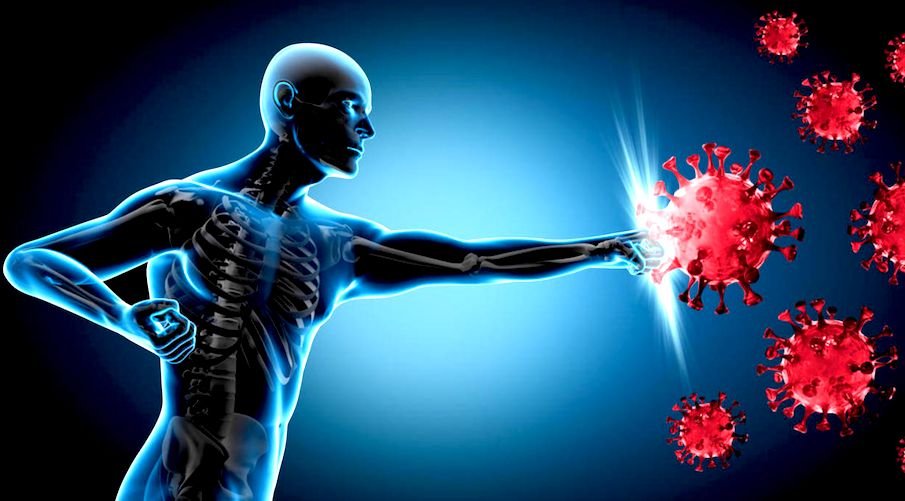
The Future of Virus Protection: Immune Intelligence
New viruses will continue emerging. The most sustainable defense is not panic — it’s preparation.
A resilient immune system acts like a biological shield, reducing severity even when exposure occurs.
Health experts emphasize that consistent healthy routines are the most reliable way to strengthen immunity long-term.
FAQs
1. Can immunity completely prevent viral infections?
No. Immunity reduces risk and severity but cannot guarantee complete protection.
2. How long does it take to strengthen immunity?
Noticeable improvements can begin within weeks, but long-term resilience develops over months of consistent habits.
3. Are supplements necessary for everyone?
Not always. They help mainly when deficiencies exist.
4. Does exercise boost immunity immediately?
Moderate exercise improves immune function over time, not instantly.
5. What weakens immunity the most?
Chronic stress, poor sleep, unhealthy diet, smoking, and inactivity.
6. Is natural immunity better than vaccine immunity?
Both play roles. Vaccines train the immune system safely without severe disease risk.
Final Thoughts
Immunity isn’t built overnight — it’s engineered daily through choices.
If new viruses are the storm, your immune system is the shelter you construct in advance.
Eat smart. Sleep deeply. Move daily. Stress less. Hydrate more.
Your future health depends on it.