
Meta Description: Protecting your data against Viruses Simplified! Learn 13 easy, science-backed hacks to protect yourself from new viruses in real time — starting now.
13 Easy Health Updates Based Techniques to Protect Newly Emerging Viruses
New viruses keep showing up. Some spread fast. Some hit hard. And others take us by complete surprise.
The good news? You don’t need a medical degree to defend yourself. Science and newer health news have provided us with easy, proven steps that work. Steps that align with real life — no crazy routines, no expensive supplements.
So here’s a breakdown of 13 simple tricks to improve your viruses protection — supported by the latest health research. Whether you’re concerned about a new strain of flu, a respiratory bug that’s going around, or anything else in between, these habits can help make a real difference.
Let’s get into it.
Why New Viruses Continue to Emerge (And Why Your Defenses Are Important)
Viruses mutate. They reshape their constitution to endure. Some cross from animals to humans. Others cross countries in a matter of hours thanks to air travel.
Health organizations such as WHO and CDC are always on the lookout for new viral threats. And what they keep discovering is this: the people who remain healthiest aren’t simply lucky. They’ve established strong daily habits that provide a barrier between them and infection.
Your body already has an immune system that’s primed to fight. These 13 tips and tricks help that system run better.
Trick No. 1 — The Right Way to Wash Your Hands (Most People Don’t)
When it comes to safety from viruses, hygiene of the hands is the one most recommended action by all major health authorities in the world.
But most people do it wrong.
A five-second rinse under cold water does not do the trick. The CDC advises scrubbing with soap for at least 20 seconds — about the time it takes to hum “Happy Birthday” twice.
What to focus on:
- Between fingers
- Under nails
- Back of hands
- Wrists
Wash before eating, after touching public surfaces, after visiting the restroom, and after being around sick people.
Hand sanitizer will also work, but it must contain at least 60 percent alcohol. It’s a good option when there isn’t a sink around.
Tip No. 2 — Don’t Touch Your Face (Seriously)
On average, a person touches their face about 23 times an hour. That statistic comes from a study that appeared in the American Journal of Infection Control.
Every single touch is an entry point for a virus.
Viruses get from surfaces to your hands, from shaking hands, and from handling packages. And then your hands go to your nose, eyes, or mouth — and now the virus has a straight shot into your body.
Breaking this habit is hard. But it starts with awareness. Try keeping your hands busy. Use a pen or stress ball when you’re sitting at a desk. When speaking to others, leave your hands folded in your lap.
Hack #3 — Improve Airflow Wherever You Are
Recent health updates since COVID-19 have transformed the way we think about indoor air. We now know many viruses — including newer respiratory ones — spread via tiny airborne particles known as aerosols.
This is made worse by closed, stuffy rooms.
Simple fixes:
- Open windows when possible
- Use a HEPA air purifier in bedrooms or living rooms
- Avoid spending long periods in overcrowded, poorly ventilated spaces
- Use bathroom and kitchen exhaust fans regularly
Even cracking open a window in winter makes things slightly better — pushing out viral particles and bringing fresh air into your home.

Trick #4 — Get 7–9 Hours of Sleep Each Night (Your Immune System Builds Itself During Rest)
This one gets skipped constantly. People act like sleep is optional. It isn’t — at least not when it comes to viruses.
While you sleep, your immune system produces proteins known as cytokines. These help combat infection and inflammation. When you are sleep-deprived, your body produces fewer of them.
One study from the University of California found that people who got less than 6 hours of sleep a night were four times more likely to catch a cold than people who slept 7 or more hours.
New viruses hit sleepy people harder and faster.
Tips to improve sleep:
- Get up at the same time every day
- Limit screen time 30–60 minutes before bed
- Keep your room cool and dark
- Skip caffeine after 2 PM
Trick #5 — Enjoy More Immune-Boosting Foods Every Week
What you eat feeds your immune system. When you eat junk regularly, your immune response declines. When you eat well, it gets stronger.
You don’t have to completely revamp your entire diet in one day. Just begin to include more of the good stuff.
| Food | Key Nutrient | Immune Benefit |
|---|---|---|
| Citrus fruits | Vitamin C | Boosts white blood cell production |
| Garlic | Allicin | Antiviral and antibacterial |
| Ginger | Gingerols | Fights inflammation |
| Spinach | Antioxidants + Vitamin C | Hunts free radicals |
| Yogurt | Probiotics | Strengthens gut immunity |
| Almonds | Vitamin E | Protects cell membranes |
| Turmeric | Curcumin | Potent anti-inflammatory |
| Sunflower seeds | Selenium | Helps regulate immune response |
You’re not supposed to eat all of the above every day. Rotating them into your weekly meals adds up quickly.
Tip #6 — Stay Hydrated (Your Mucus Membranes Need Water to Do Their Thing)
Water is more protective against viruses than most people might realize.
The insides of your nose, throat, and lungs are lined with mucus membranes. These membranes serve as a primary barrier — trapping viruses before they enter your body. When you’re dehydrated, these membranes become dry and crack. Viruses slip through easier.
Keeping well hydrated keeps these barriers moist, healthy, and working.
Daily water intake target by age (general guide):
| Group | Suggested Water Intake Per Day |
|---|---|
| Adults (women) | ~2.7 liters (about 91 oz) |
| Adults (men) | ~3.7 liters (about 125 oz) |
| Teens (13–18) | ~2–3 liters |
| Children (9–12) | ~1.5–2 liters |
Herbal teas, broth, and water-rich fruits and vegetables also count.
Tip #7 — Get Vaccinated and Stay Updated With New Shots
Vaccines are the most potent viruses protection tool in history. They train your immune system to spot a virus before you ever meet it.
Updated vaccines are often needed for new viral strains. That’s why health authorities issue updated flu shots every year — the flu virus evolves. Booster developments for COVID-19 went along the same lines.
For the latest vaccine recommendations and virus alerts in your area, stay connected with trusted platforms like Daily Health Updates — a reliable resource that keeps you informed about emerging health threats and what to do about them.
What to keep current:
- Annual flu vaccine
- COVID-19 boosters as recommended
- Other vaccines, depending on your age, travel plans, and health conditions
Speak with your doctor or pharmacist about what’s recommended for you at the moment. Don’t forgo updates just because you received a shot several years ago.
Trick #8 — Douse Stress Before It Ruins Your Immunity
Stress is an insidious immune destroyer.
When your stress is chronic, your body releases a hormone called cortisol. A short burst of cortisol is fine. But when cortisol stays elevated for days or weeks, it reduces your immune system’s ability to fight viruses.
Research from Carnegie Mellon University found that people under severe psychological stress were significantly more likely than others to become ill when exposed to a virus.
Easy stress-reducing habits:
- 10 minutes of deep breathing or meditation daily
- Getting out for a short walk (even 15–20 minutes helps)
- Journaling before bed
- Speaking with a friend or family member
- Limiting news and social media if it creates anxiety
Stress is not something you can eliminate from your life. But you can control how it influences your body.
Trick #9 — Get Enough Exercise (But Not Too Much!)
Even moderate exercise reliably boosts your immune system.
When you move your body, blood circulation rises. This allows immune cells to travel through your body more quickly and perform better. Regular moderate exercise has been linked to lower risks of respiratory infections.
Best types for immune support:
- Brisk walking (30 minutes on most days)
- Light jogging
- Cycling
- Swimming
- Yoga or stretching
The catch, however, is that high-level exercise without adequate recovery can temporarily suppress immunity. Marathon runners, for instance, are more vulnerable to infections immediately after a race.
So seek consistency and moderation. No need to train like an Olympic athlete to get a viruses protection benefit.
Tip #10 — Use Masks Wisely in High-Risk Environments
Masks aren’t just a COVID-era phenomenon. They have been around for a long time in healthcare as a means of protecting against viruses — and they are still effective.
When a new virus is circulating in your community, wearing a well-fitted mask in crowded indoor settings greatly reduces your risk of inhaling viral particles.
When wearing a mask makes the most sense:
- During active outbreaks or surges
- On public transportation during flu season
- In hospitals or medical settings
- When you are sick and around others
- In poorly ventilated, crowded spaces
N95 or KN95 masks offer better protection for airborne viruses. For close-contact droplet exposure, surgical masks are better than nothing.
You’re not going to be wearing a mask every day for the rest of your life. Use it when the risk is real.
Trick #11 — Maintain Your Gut Health (Your Gut and Immunity Are Linked)
Around 70% of your immune system resides in your gut. This is not a metaphor — it’s biology.
Your gut is home to trillions of bacteria and microorganisms. When that ecosystem is healthy and in balance, it helps modulate your immune response. When it’s out of whack (called dysbiosis), your immune defenses can break down.
New viruses are affecting people with compromised gut health the most, according to studies published in journals such as Cell Host & Microbe.
How to keep your gut healthy:
- Consume probiotic-rich foods (yogurt, kefir, sauerkraut, kimchi)
- Eat prebiotic foods that nourish good bacteria (bananas, oats, garlic, onions)
- Avoid overusing antibiotics
- Cut back on processed sugar, which nourishes bad bacteria
- Look into a daily probiotic supplement (after consulting your doctor first)
Trick #12 — Stop Sharing Personal Items During Outbreak Periods
This one sounds obvious. But it is constantly forgotten.
When a new virus is circulating, shared items become shared risks. Viruses can remain viable on hard surfaces for hours — even days.
Things to stop sharing during outbreak periods:
- Water bottles and cups
- Utensils
- Lip balm or makeup
- Towels
- Phones and earbuds
Be considerate too at buffets and shared food stations. Use the serving utensils provided. Don’t touch shared items and then touch your face.
At home, wipe down frequently touched shared surfaces — light switches, door handles, remote controls, and countertops.
Trick #13 — Listen to Trusted Health Sources (Not Social Media Gossip)
Knowing where to get accurate information is one of the most underrated tricks for viruses protection.
With every new virus comes a wave of misinformation that spreads at the same speed — sometimes faster. False remedies. Fake cures. Dangerous advice. People make terrible health decisions based on things they read on social media.
Reliable sources to bookmark:
- World Health Organization: who.int
- Centers for Disease Control: cdc.gov
- Your country or region’s ministry of health
- Peer-reviewed medical journals (summaries are available on trusted news sites)
You make better decisions when you have the correct information. You know when a vaccine is available. You know when a new strain is circulating in your region. You know what symptoms to look out for.
Knowledge is a form of protection. Use it wisely.
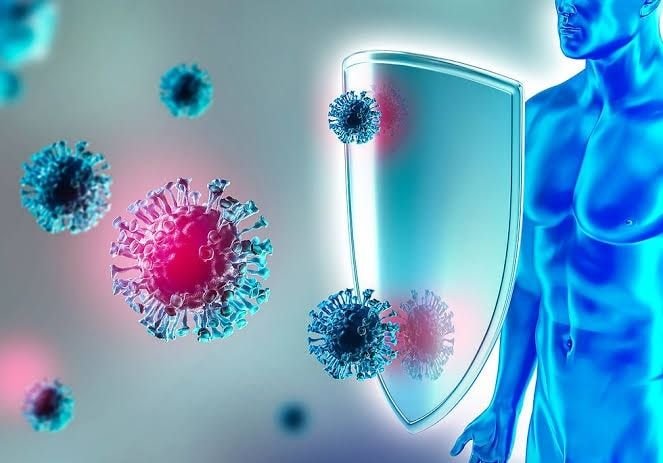
Passive vs. Active Viruses Protection Habits: A Quick Comparison
| Passive Habits (Low Protection) | Active Habits (Strong Protection) |
|---|---|
| Hoping you don’t get sick | Building daily immune routines |
| Ignoring vaccine updates | Staying up to date on new shots |
| Eating whatever’s convenient | Adding immune-boosting foods every week |
| Scrolling social media for health news | Keeping tabs on WHO and CDC updates |
| Skipping sleep to do more | Prioritizing 7–9 hours each night |
| Ignoring stress | Managing it in small ways every day |
This table provides a clearer picture: viruses protection is an active choice you make daily, rather than something that just happens to you.
How All 13 of These Techniques Work Together
None of these tricks work in a vacuum forever. But in concert, they create something mighty.
Think of it like a chain-link fence. One link might not stop much. But 13 connected links form a barrier that is virtually impossible to crack.
Sleep feeds your immune cells. Good food fuels them. Hydration keeps your barriers strong. Exercise moves them through your body. Stress management keeps them active. Hand hygiene reduces how many viruses even get to your body in the first place.
Every trick supports the others.
You don’t need to execute all 13 flawlessly on day one. Start with two or three. Build from there. In just a couple of weeks, these habits become second nature.
FAQs About Viruses Protection
Q1: Are lifestyle habits really enough to protect myself from newly emerging viruses?
Yes — significantly. Though no habit will protect you 100%, studies show that those with strong immune habits get sick less, recover faster, and have milder symptoms even if they do become infected.
Q2: When do these habits start to make an impact?
Some work fast. Hand hygiene and masks decrease exposure immediately. Changes in sleep and nutrition begin to enhance immune function within days to a few weeks. Longer-term habits like regular exercise and gut health build defenses over months.
Q3: Are these tricks different for children vs. adults?
The basic concepts are unchanged. Children require age-appropriate amounts of sleep (more than adults), age-appropriate water intakes, and their own vaccination schedules. Teaching kids hand hygiene and healthy eating from early on can protect them for life.
Q4: What is the single most important trick on this list?
If forced to choose — sleep. Chronic sleep deprivation weakens nearly every other immune barrier you have. When you’re well-rested, everything works better.
Q5: Should I wear a mask all the time now?
Not necessarily all the time. Use masks intelligently — in high-risk situations, during active outbreaks, or in crowded indoor spaces during flu or virus season. They’re a tool, not a permanent lifestyle requirement.
Q6: Do I need expensive supplements for viruses protection?
Most people don’t need costly supplements if they’re eating a decently balanced diet. Vitamin D and Vitamin C are the most commonly recommended for immune support. But consult your doctor before beginning anything new.
Q7: What should I do if I believe I’ve been exposed to a new virus?
Monitor your symptoms closely. Stay away from others if you feel unwell. Contact your healthcare provider. Consult your national health authority’s website for information specific to that virus. Do not depend on social media for this.
Wrapping It All Up
New viruses aren’t going away. The world has changed, and new viral threats will continue to emerge. But that doesn’t mean you’re powerless.
The building blocks for viruses protection are small habits, consistently practiced. Washing your hands properly. Sleeping enough. Eating real food. Moving your body. Managing stress. Staying informed from trusted sources.
None of these tricks are hard to pull off. None require a lot of money. All are supported by real health research.
Start with one. Add another next week. Build your personal protection habits, one at a time.
Your immune system is already working for you — give it the support it requires to keep you well.
Stay safe, stay informed, and forward this to someone who could use a straightforward, no-nonsense guide to protecting themselves from newly emerging viruses.