Meta Description: 11 Essential Vitamins in Health Updates for newly Viruses Protection — discover which vitamins your immune system needs most to fight off new and emerging viral threats.
11 Essential Vitamins in Health Updates for Newly Viruses Protection
So, you might be wondering what vitamins are vital for your immune system to combat new and biological viruses?
Every single day, your body is under attack. New viruses keep emerging. Old ones keep mutating. Your immune system is your only true defense.
However, here’s the thing — your immune system can only function better if it receives proper nutrition. That fuel? Vitamins.
In this article we are going to dissect 11 important vitamins that directly contribute to keeping your body safe from viruses as they emerge. You’ll find out what each vitamin does, where you can get it, how much you need and why skipping it could leave you vulnerable to infection.
Let’s get into it.
Why Vitamins Are More Important Than Ever Right Now
New viruses are emerging more quickly than ever. Researchers need to constantly issue health advisories about strains that didn’t even exist a decade ago. COVID-19 was a wake-up call. But it won’t be the last one.
The scary part? What most people already are very deficient in is at least one major vitamin their immune system desperately needs.
When your immune system is weak, it doesn’t only mean you have more illnesses. Your body takes longer to recover, your symptoms are more severe, and you’re more likely to suffer serious complications.
The good news is that vitamins are within your purview. You can eat better, supplement smarter and give your body a fighting chance.
For the latest health advisories and immune health tips, visit Daily Health Updates — a trusted resource for staying informed on wellness and virus protection.
Here’s your complete guide.
Vitamin #1 — Vitamin D: The Sunshine Vitamin Your Immune Cells Desire
Vitamin D may be the most discussed vitamin in recent health news — and for good reason.
Every single immune cell has a receptor for Vitamin D. This means that your immune system literally cannot do its best work without it.
Studies suggest that low Vitamin D levels bring a substantially increased risk for respiratory infections, including flu and COVID-19. When a new virus comes along, Vitamin D supports your body in launching a rapid, vigorous immune response.
How Much Do You Need?
Adults generally require a daily dose of 600 to 2,000 IU. Doctors now recommend a dosage of up to 4,000 IU during cold and flu season or when new viruses are circulating.
Best Sources
- Sunlight (15–20 minutes daily)
- Salmon and tuna, fatty fish
- Egg yolks
- Fortified milk and orange juice
- Vitamin D3 supplements
Vitamin #2 — Vitamin C: The Timeless Virus Fighter
For decades, Vitamin C has been defending people against illness. And it remains one of the most potent vitamins in health updates around virus protection.
It works by prompting your body to produce more white blood cells — the soldiers your immune system deploys to fight off infections. Vitamin C also works as an antioxidant, meaning it shields your cells from being damaged in a viral assault.
Vitamin C gets used up really quickly when your body is battling a new virus. This is why it’s crucial to do some topping-up during an illness.
How Much Do You Need?
For most adults, the recommended daily amount is 65 to 90 mg. But during active illness or peak exposure periods, many experts recommend 500 to 1,000 mg a day.
Best Sources
- Oranges, kiwi, strawberries
- Bell peppers (especially red)
- Broccoli and Brussels sprouts
- Vitamin C supplements
Vitamin #3 — Vitamin A: The First Line of Defense in Your Body
Vitamin A is also massively underrated. It’s responsible for maintaining the health of your skin, lungs and gut lining — all three of which are entry points for viruses.
Vitamin A is essentially the builder of your body’s physical barriers. The walls come down, and the viruses slip right in. Keeping levels of Vitamin A up means keeping those walls standing strong.
Its role is also tied to the production of antibodies, which are the proteins your body generates to identify and kill certain viruses.
How Much Do You Need?
Adults require about 700 to 900 mcg daily. Don’t exceed 3,000 mcg from supplements — it’s harmful in excess.
Best Sources
- Liver and fish oils
- Sweet potatoes and carrots
- Greens such as kale and spinach
- Eggs and dairy products
Vitamin #4 — Vitamin E: The Mighty Antioxidant
When a virus infects your body, your immune system fights back. But that assault creates something known as “oxidative stress” — which can harm your own body’s cells.
Vitamin E comes in to counteract that damage. It serves as a kind of cleanup crew, protecting the immune cells while they’re out fighting the virus.
Vitamin E also assists T-cells (a major type of immune cell) in functioning more efficiently, particularly for older adults whose immune responses tend to slow with aging.
How Much Do You Need?
This is around 15 mg (22.4 IU) per day for most adults. Older adults may need a bit more.
Best Sources
- Sunflower seeds and almonds
- Peanut butter
- Spinach and broccoli
- Wheat germ oil
Vitamin #5 — Vitamin B6: The Regulator of the Immune System
Vitamin B6 is one of the unsung heroes in health news about virus protection. It plays a crucial role in the production of antibodies, as well as helping your body to sustain an adequate immune response.
With insufficient B6, your body cannot produce enough white blood cells. And without white blood cells, you simply can’t mount an effective defense against new viruses.
B6 also helps your body create interleukins — chemical signals that instruct your immune system where to fight.
How Much Do You Need?
Adults require approximately 1.3 to 1.7 mg per day. Deficiency is more common than many people realize, particularly among older adults and those who eat poorly.
Best Sources
- Chickpeas (arguably the best source of all)
- Tuna and salmon
- Chicken and turkey
- Bananas and potatoes
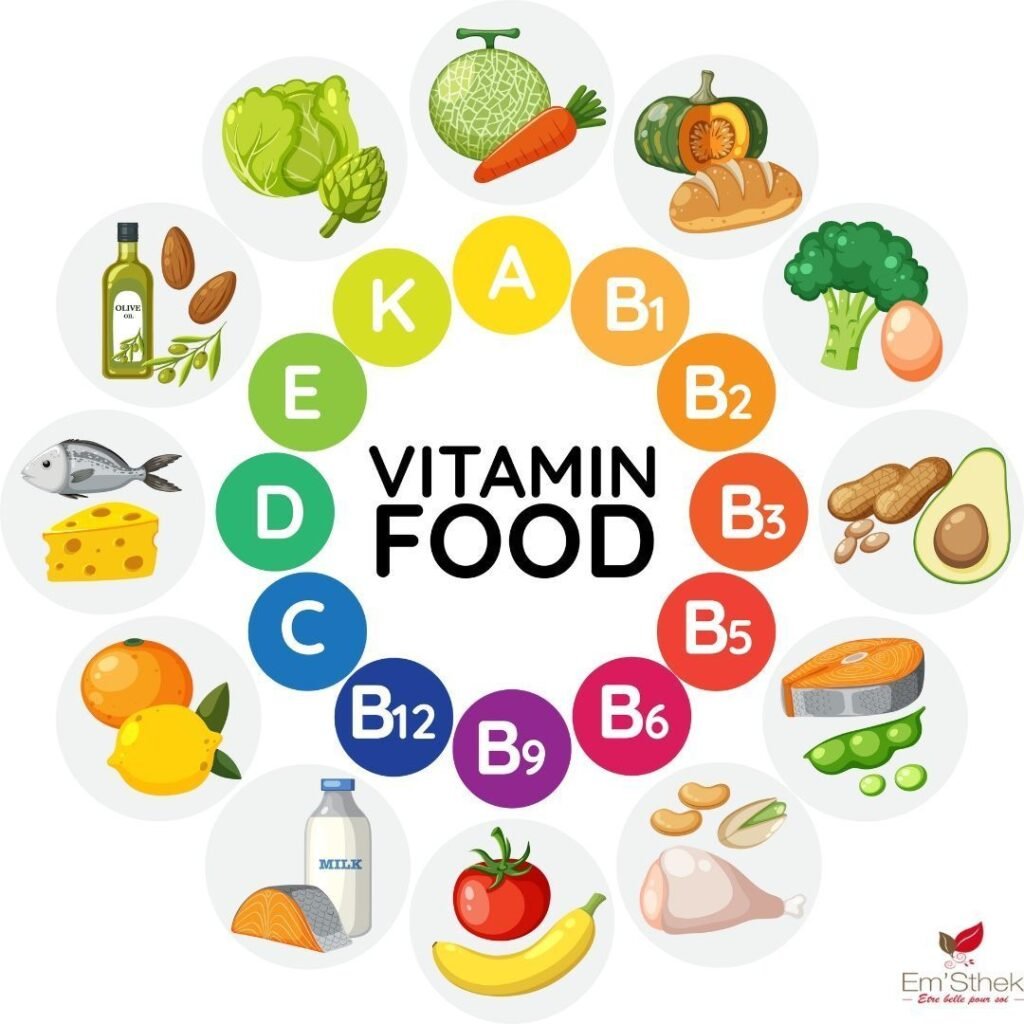
Overview: All 11 Vitamins at a Glance
| Vitamin | Key Role in Immune Function | Top Food Sources |
|---|---|---|
| Vitamin D | Activates immune cells | Fatty fish, egg yolks, mushrooms |
| Vitamin C | White blood cell production | Citrus fruits, bell peppers, broccoli |
| Vitamin A | Body defense barriers | Carrots, sweet potatoes, spinach |
| Vitamin E | Antioxidant protection | Sunflower seeds, almonds, avocados |
| Vitamin B6 | Antibody production | Chickpeas, chicken, tuna |
| Folate (B9) | Cell replication | Leafy green vegetables, lentils |
| Vitamin K1 | Immunity regulation | Dark leafy green vegetables |
| Vitamin K2 | Cytokine regulation | Fermented foods, aged cheese |
| Vitamin B12 | Immune cell division | Meat, dairy, eggs |
| Vitamin B1 (Thiamine) | Immune system energy | Whole grains, pork |
| Vitamin B3 (Niacin) | Inflammation control | Chicken, tuna, peanuts |
Vitamin #6 — Vitamin B12: Keeping Your Immune Army Functional
Vitamin B12 is essential for red blood cell production and for the function of nerves. But it also has a large influence on immune health.
Your immune cells are constantly dividing — particularly in response to a new virus. B12 ensures the proper functioning of cell division. Without it, your immune response can grow sluggish or take a wrong turn.
Vegans and vegetarians are especially at risk of deficiency in B12, as it is mostly present in animal products.
How Much Do You Need?
Adults require approximately 2.4 mcg a day. Absorption decreases with age, so older adults often require more.
Best Sources
- Beef, pork, and lamb
- Clams and oysters
- Dairy products and eggs
- B12-fortified plant milks
Vitamin #7 — Vitamin K2: The Immune Modulator You’ve Never Heard Of
Most of us are acquainted with Vitamin K1 for its role in blood clotting. But Vitamin K2 is another animal — and it has a direct effect on your immune system, especially how it responds to threats.
K2 helps regulate inflammation. That is particularly important with new viruses, because many induce “cytokine storms” — a phenomenon in which the immune system turns on itself and starts damaging parts of the body.
K2 functions like a volume knob on your immune response, which can help prevent an overreaction.
How Much Do You Need?
There’s no official daily requirement yet, but experts recommend 90 to 120 mcg a day as beneficial.
Best Sources
- Natto (fermented soybeans — also one of the best sources)
- Aged cheeses
- Egg yolks
- Grass-fed butter
Vitamin #8 — Folate (Vitamin B9): The Cell Repair Vitamin
When a virus strikes, your body has to quickly repair damaged cells and create new immune cells. Folate is the vitamin that makes this possible.
Folates are necessary for DNA creation and cell replication. Without it, your immune system can’t produce enough to fight a new viral infection.
Folate also supports your body’s production of natural killer (NK) cells — a form of immune cell that kills virus-infected cells on contact.
According to the National Institutes of Health Office of Dietary Supplements, adequate folate intake is essential for normal immune cell production and overall cellular health.
How Much Do You Need?
The average adult requires 400 mcg per day. Pregnant women require extra (600 mcg) because demand is increased.
Best Sources
- Spinach, asparagus, and broccoli
- Black-eyed peas and lentils
- Beef liver
- Fortified cereals and bread
Vitamin #9 — Vitamin B1 (Thiamine): The Fuel for Your Immune System Engine
Each cell in your body requires energy to function — immune cells included. One of the primary vitamins that gets converted from food into energy your immune system can actually use is Vitamin B1 (Thiamine).
Your body burns through energy quickly when it’s under viral attack. Thiamine makes sure your immune cells never run out of fuel when engaged in that fight.
Thiamine also has anti-inflammatory properties. New research indicates that it might even mitigate respiratory infection severity, by soothing inflammatory responses in lung tissue.
How Much Do You Need?
Adults require around 1.1 to 1.2 mg daily. Alcohol abuse can severely reduce Thiamine levels in the body.
Best Sources
- Whole grains and fortified cereals
- Pork (one of the top food sources)
- Beans and lentils, like black beans and lentils
- Sunflower seeds and macadamia nuts
Vitamin #10 — Vitamin B2 (Riboflavin): Your Cellular Defender
Riboflavin is something of an underdog in the sphere of immune health — but it should have a place in every health update around virus protection.
It is involved in the production of glutathione, one of your body’s greatest antioxidants. Glutathione can help protect your immune cells from oxidative damage in the case of a viral infection.
Riboflavin also aids the activation of other B vitamins, so a lack of B2 can set off a chain reaction that compromises your whole supply of this cadre — and with it, your immune defenses.
How Much Do You Need?
Adults require about 1.1 to 1.3 mg daily.
Best Sources
- Milk and yogurt (dairy products)
- Eggs
- Lean meats and organ meats
- Almonds and mushrooms
Vitamin #11 — Vitamin B3 (Niacin): Settle the Viral Storm
The last piece of the puzzle is Niacin. And it’s a powerful one.
New viruses that enter our bodies often sow excessive inflammation inside us. That’s the inflammation that, when uncontrolled, accounts for much of the worst symptoms — fever, fatigue, organ stress.
Niacin plays a role in modulating this inflammatory response. It activates certain immune pathways telling your body when to fight and when to hold back.
More recent health alerts have highlighted Niacin as highly effective in fighting NAD+ depletion — a process by which viruses compromise your cells from within. Protecting levels of NAD+ with Niacin effectively shuts down one of the virus’s primary tactics.
How Much Do You Need?
Adults require approximately 14 to 16 mg daily. Higher doses should only be taken under medical supervision.
Best Sources
- Chicken breast and turkey
- Tuna and salmon
- Peanuts and peanut butter
- Mushrooms and brown rice
How to Create a Virus-Thwarting Vitamin Regimen
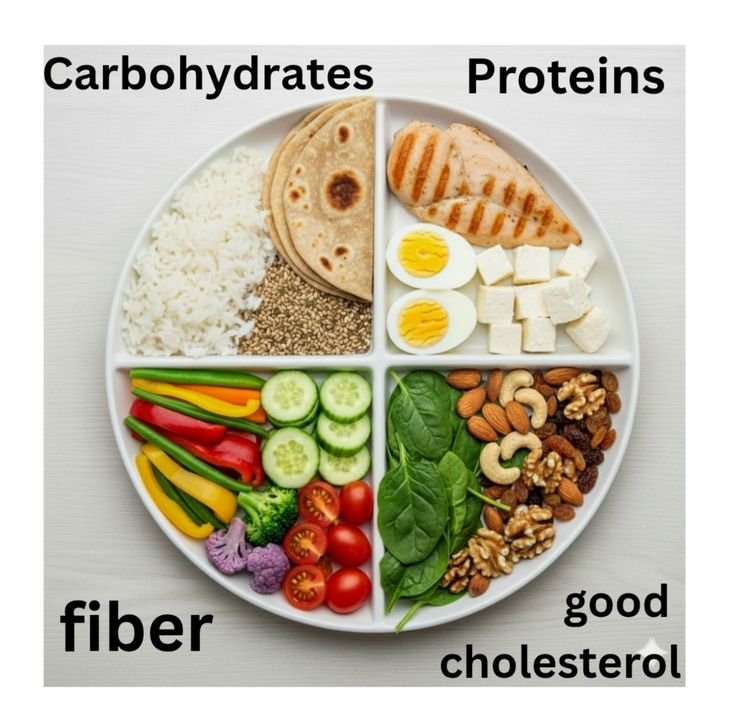
It doesn’t have to be complicated getting all 11 vitamins in. Here’s a simple daily approach:
Morning: 15 minutes of sunlight (Vitamin D). Eat eggs and whole grain toast (B vitamins, D, K2).
Midday: Salad of leafy greens, chickpeas and bell peppers (Folate, B6, C, A, E).
Snack: A handful of almonds and a piece of fruit (Vitamin E, C).
Evening: Salmon or chicken served with broccoli and sweet potatoes (D, B12, B6, A, B3, C).
If there are gaps in your diet, you might want a good-quality multivitamin that contains all 11 of these vitamins. Always consult with your doctor before starting any new supplements, especially in high doses.
How to Tell if You’re Deficient in Essential Immune Vitamins
Pay attention to your body. These are common warning signs:
- Taking too many colds or infections (depleted in Vitamin C or D)
- Fatigue (B12 or B1 deficient)
- Chapped lips or skin around the mouth (low B2)
- Slow wound healing (Vitamin A or C is low)
- Depression or brain fog (low B12, D, or Folate)
- Mild bruising (low Vitamin K2 or C)
If you’re skimming through a list of symptoms and find yourself checking several of them, consult your doctor about getting a blood panel to see if you are deficient in any vitamins.
FAQs — Vitamins and Protection From New Viruses
Q1: Will taking vitamins protect me from a new virus? Vitamins don’t put a shield around you, but they do massively boost your immune system. One that is well fed responds more quickly, fights harder and recovers faster. Think of vitamins as training your immune soldiers before the battle starts.
Q2: Do I need to take all 11 vitamins in supplement form? Not necessarily. The average person can obtain most of these vitamins with a balanced diet. Supplements are most helpful when you have a diagnosed deficiency, you’re on a restrictive diet like veganism, or your need for the nutrient is higher due to age or illness. Always check first with a health care provider.
Q3: What kind of vitamin is essential for protection against new viruses? There is no single “best” vitamin; however, Vitamin D and Vitamin C appear reliably in health updates as the two most influential vitamins for defense against newly emerging viruses. Both work better when paired with the other vitamins on this list.
Q4: How quickly can vitamins boost the immune system? It varies by vitamin and your preexisting levels. Vitamin C also aids the production of white blood cells within days. If you are starting from a deficiency, it takes weeks or months to get Vitamin D levels built up. Continued, long-term use is better than loading in a short time.
Q5: Are vitamins safe for children? In many instances, vitamins are safe for children when the dose is appropriate to their age. But kids’ needs differ from adults’, and excess of some vitamins (A and D, for example) can be dangerous. Use children’s supplements and discuss with a pediatrician.
Q6: Could I be getting too much of these vitamins? Yes, especially for fat-soluble vitamins like A, D, E and K2 that are stored in the body and can accumulate to toxic levels. Water-soluble vitamins (like C and B vitamins) are generally safer, since the body flushes excess out via urine. However, high-dose supplementation should always be mediated by a doctor.
Q7: Do new viruses use up vitamins more quickly? Yes. Your immune system burns through vitamins — particularly Vitamin C, D and B vitamins — much more quickly than usual when it’s actively on the attack against infection. That’s one reason why bolstering intake during illness (under guidance) might aid recovery.
Wrapping It All Up
Most of all, your immune system is your greatest weapon against rising viruses. And like any great machine, it requires the right fuel to run.
The 11 essential vitamins discussed here — Vitamin D, C, A, E, B6, B12, K2, Folate, Thiamine, Riboflavin and Niacin — all have unique roles to play in keeping your immune system sharp, responsive and resilient.
There is no magic bullet of a single vitamin. But, together, they provide a comprehensive shield against viral threats that health updates keep telling us about.
Start small. Eat more colorful foods. Get some sunlight. Check in with your doctor. And create a lifestyle that provides your immune system with all it needs to defend you — today, tomorrow and every time the next new virus comes calling.
Your body already knows how to fight. Provide it the nutrients to succeed.