
Meta Description:
9 Essential Health Safety Rules I Learned the Hard Way — real-life lessons, practical tips, and simple habits that can protect your body, mind, and loved ones every single day.
9 Essential Health Safety Rules I Learned the Hard Way
Nobody wakes up thinking, “Today I’ll learn a health lesson the painful way.”
But life has a funny habit of teaching us through mistakes.
Some lessons cost money.
Some cost comfort.
And some can cost your health.
The truth is, most health problems don’t appear out of nowhere. They build slowly. Quietly. Often because we ignored small warning signs or basic safety rules.
In this article, I’m sharing 9 essential health safety rules I learned the hard way. These are practical, real-life lessons. No complicated medical terms. No scare tactics. Just honest advice that can help you avoid the same mistakes.
Let’s get into it.
Rule #1: Don’t Ignore “Small” Symptoms
I once ignored a constant headache for weeks. I thought it was stress. It turned out to be severe dehydration and lack of sleep.
Small symptoms are often early warnings.
Why This Rule Matters
Your body whispers before it screams.
Ignoring small signs can lead to bigger problems:
- Mild chest discomfort → serious heart issues
- Persistent cough → lung infection
- Fatigue → vitamin deficiency or worse
Red Flags You Should Never Ignore
| Symptom | When It’s Serious | What To Do |
|---|---|---|
| Chest pain | Lasts more than a few minutes | Seek medical care immediately |
| High fever | Above 103°F (39.4°C) | Contact a doctor |
| Sudden weakness | Especially on one side | Call emergency services |
| Severe headache | “Worst ever” feeling | Get urgent help |
If something feels “off,” trust your instincts.
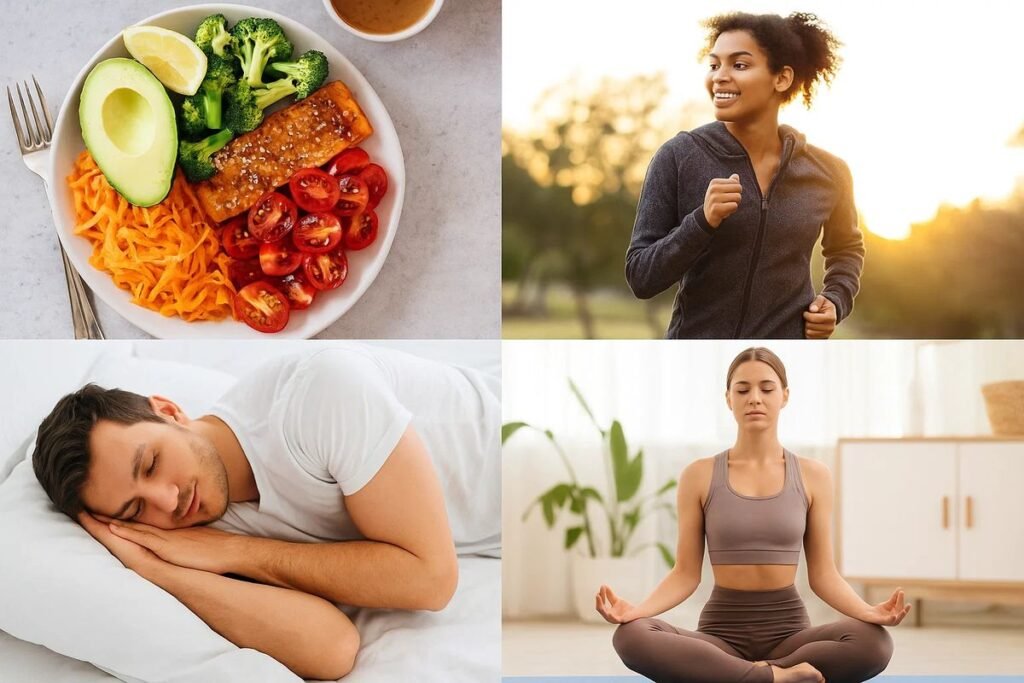
Rule #2: Sleep Is Not Optional
For years, I treated sleep like it was negotiable.
Four hours? Fine.
Five hours? Good enough.
It wasn’t.
Chronic lack of sleep affects:
- Memory
- Mood
- Immune system
- Heart health
According to the Centers for Disease Control and Prevention, adults should aim for 7–9 hours of sleep per night.
What Poor Sleep Actually Does
| Sleep Hours | Risk Level |
|---|---|
| 7–9 hours | Healthy |
| 5–6 hours | Increased stress & weight gain |
| Less than 5 | Higher risk of heart disease & diabetes |
Simple Fixes That Changed Everything
- No phone 30 minutes before bed
- Dark, cool bedroom
- Same sleep time daily
- No caffeine after 2 PM
Sleep is free medicine. Don’t skip it.
Rule #3: Wash Your Hands Like You Mean It
This one sounds basic. Almost too basic.
Until you get a serious stomach infection.
Handwashing prevents the spread of viruses and bacteria. The World Health Organization states proper hand hygiene can reduce infectious disease transmission significantly.
When You Must Wash Your Hands
- After using the bathroom
- Before eating
- After touching public surfaces
- After coughing or sneezing
- After handling raw food
The 20-Second Rule
Sing “Happy Birthday” twice.
Scrub between fingers.
Clean under nails.
Rinse thoroughly.
It’s simple. But powerful.
Rule #4: Your Diet Today Is Your Health Tomorrow
Fast food feels harmless in your 20s.
It doesn’t feel harmless later.
Processed food, high sugar intake, and low fiber can lead to:
- Obesity
- Type 2 diabetes
- Heart disease
The Hard Lesson
I once went for a routine checkup and heard the words: “Your cholesterol is high.”
I didn’t feel sick.
But damage was building silently.
A Simple Nutrition Shift
| Old Habit | Better Swap |
|---|---|
| Sugary soda | Water or herbal tea |
| White bread | Whole grain |
| Fried snacks | Nuts or fruit |
| Processed meat | Grilled chicken or beans |
You don’t need a perfect diet.
You need a consistent one.
Rule #5: Stress Is Not Just “In Your Head”
Stress doesn’t just affect your mood.
It affects your body.
Chronic stress can lead to:
- High blood pressure
- Digestive problems
- Weakened immune system
What Chronic Stress Looks Like
- Constant fatigue
- Irritability
- Frequent headaches
- Muscle tension
Stress Management Methods That Work
- 10-minute daily walk
- Deep breathing exercises
- Journaling
- Talking to someone you trust
Your mind and body are connected.
Take care of both.
Rule #6: Exercise Is Preventive Medicine
I used to think exercise was only about appearance.
It’s not.
Regular movement reduces risk of:
- Heart disease
- Stroke
- Depression
- Certain cancers
The American Heart Association recommends at least 150 minutes of moderate exercise per week.
What Counts as Exercise?
- Brisk walking
- Cycling
- Swimming
- Dancing
- Even gardening
Weekly Movement Plan Example
| Day | Activity | Duration |
|---|---|---|
| Monday | Walking | 30 min |
| Wednesday | Bodyweight exercises | 30 min |
| Friday | Cycling | 30 min |
| Sunday | Light stretching | 20 min |
Small consistency beats extreme workouts.
Rule #7: Regular Checkups Save Lives
I avoided doctors unless something was “seriously wrong.”
That was a mistake.
Preventive screenings catch issues early.
Screenings That Matter
- Blood pressure checks
- Cholesterol tests
- Blood sugar testing
- Cancer screenings (age dependent)
Early detection increases treatment success rates dramatically.
Health safety isn’t just about reacting.
It’s about preventing.
Rule #8: Hydration Is a Bigger Deal Than You Think
I underestimated water for years.
Headaches.
Fatigue.
Poor focus.
All connected to dehydration.
Signs You’re Not Drinking Enough
- Dark urine
- Dry lips
- Dizziness
- Muscle cramps
Daily Hydration Guide
| Body Weight | Suggested Water Intake |
|---|---|
| 120 lbs | ~2 liters |
| 150 lbs | ~2.5 liters |
| 180 lbs | ~3 liters |
These are general estimates. Adjust based on activity and climate.
Carry a water bottle.
Make it visible.
Sip regularly.
Rule #9: Safety Habits Matter More Than You Think
One moment of carelessness can change everything.
I once skipped wearing a seatbelt on a short drive.
Nothing happened.
But it could have.
According to the National Highway Traffic Safety Administration, seatbelts reduce serious crash injuries significantly.
Everyday Safety Habits That Save Lives
- Wear seatbelts
- Use helmets while cycling
- Store medicines safely
- Avoid texting while driving
- Follow food safety practices
Health safety includes physical protection too.
Visual Snapshot: The 9 Essential Health Safety Rules
1. Listen to early symptoms
2. Prioritize sleep
3. Wash hands properly
4. Eat balanced meals
5. Manage stress
6. Move your body
7. Get regular checkups
8. Stay hydrated
9. Practice daily safety habits
Simple rules.
Life-changing impact.
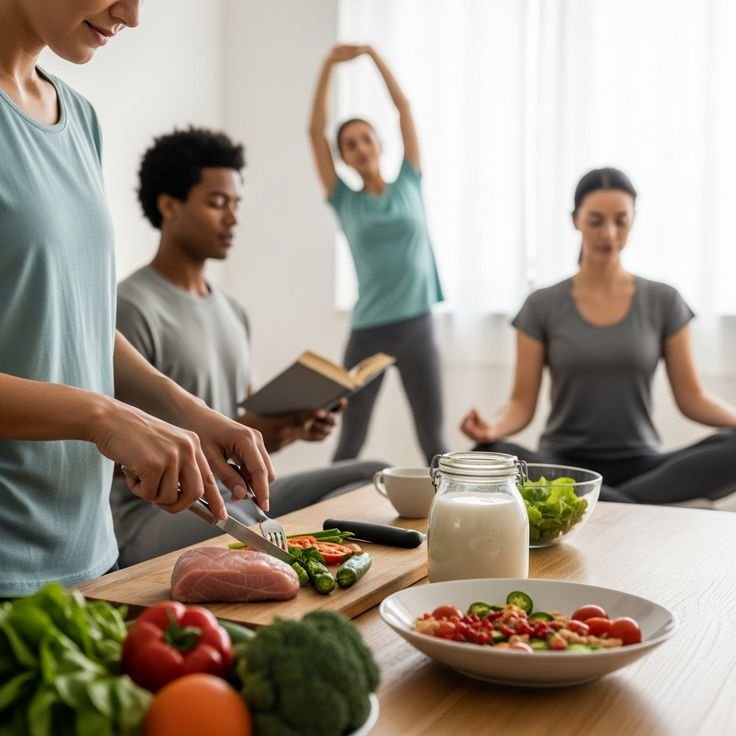
What These Lessons Changed in My Life
Before following these rules:
- Frequent fatigue
- High stress
- Weight fluctuations
- Low energy
After applying them consistently:
- Better focus
- Stable energy
- Fewer sick days
- Improved lab results
Health safety is not about being perfect.
It’s about reducing risk, one habit at a time.
Frequently Asked Questions (FAQs)
1. Why are health safety rules important?
They prevent diseases, reduce risks, and improve long-term well-being. Most serious health issues develop slowly and can often be avoided.
2. How can I start improving my health today?
Start small. Drink more water. Go to bed earlier. Take a 20-minute walk. Small steps build momentum.
3. How often should I get a medical checkup?
At least once a year for adults. More often if you have chronic conditions or family history of illness.
4. What is the most important health safety rule?
There isn’t just one. But sleep, regular checkups, and stress management are often overlooked and extremely powerful.
5. Can young people ignore health safety rules?
No. Many chronic diseases begin developing in your 20s and 30s. Prevention should start early.
Final Thoughts: Learn From My Mistakes, Not Your Own
The biggest lesson I learned?
Health problems rarely arrive without warning.
They send signals.
They leave clues.
They give chances.
The 9 essential health safety rules I learned the hard way are not complicated. They are basic habits. But basic doesn’t mean unimportant.
If you take anything from this article, let it be this:
Small daily actions protect your future self.
Drink water.
Sleep well.
Move often.
Listen to your body.
Get checked.
Your future self will thank you for it.