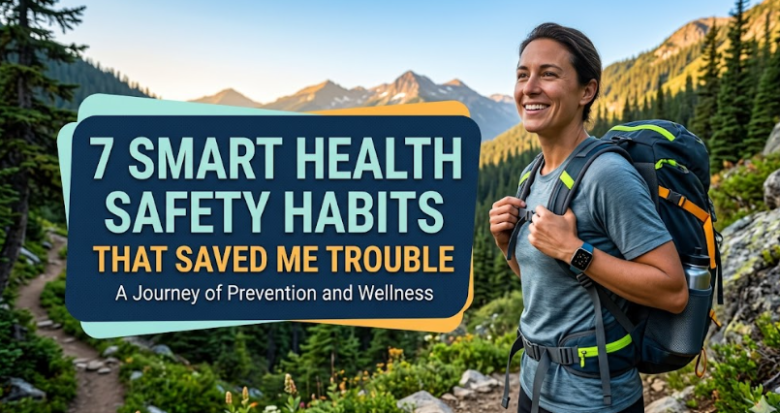
7 Smart Health Safety Habits That Saved Me Trouble
There was a time when I believed that serious health problems only happened to “other people.” I wasn’t reckless, but I also wasn’t particularly careful. I skipped small precautions, ignored minor symptoms, and convinced myself that being “generally fine” was good enough. It wasn’t.
Over time, a series of close calls—nothing catastrophic, but enough to shake me—forced me to rethink how I approached my health. What surprised me most was this: it wasn’t major life overhauls that made the difference. It was a handful of small, consistent habits. These habits didn’t just improve my well-being; they actively saved me from trouble—avoidable illnesses, injuries, stress spirals, and long-term damage.
This isn’t a clinical guide or a list of textbook advice. It’s a practical reflection on seven health safety habits that proved their worth in real life. Some of them seem obvious. That’s the point. The obvious things are often the easiest to neglect.
1. Paying Attention to Small Warning Signs
One of the biggest mistakes I used to make was ignoring “minor” symptoms. A headache? Probably nothing. Slight fatigue? Just a long day. Mild chest discomfort? Gas, surely.
The problem with this mindset is that it trains you to dismiss your body’s early warning system.
The shift happened when a persistent but dull pain wouldn’t go away. I kept postponing getting it checked, until one day it became sharp enough to disrupt everything. Thankfully, it wasn’t serious—but it easily could have been if I had waited longer.
Now, I treat small symptoms as signals, not inconveniences. This doesn’t mean panicking over every ache. It means noticing patterns:
- Is it recurring?
- Is it getting worse?
- Is it affecting daily function?
By acting early—whether through rest, hydration, or a medical check—I’ve avoided situations escalating into something more complicated.
Ignoring small problems doesn’t make them disappear. It just delays the moment they demand attention.
2. Prioritizing Sleep Like It’s Non-Negotiable
There was a phase where I wore sleep deprivation like a badge of honor. Late nights, early mornings, caffeine to compensate—it felt productive, even admirable.
In reality, it was damaging.
Poor sleep doesn’t just make you tired. It affects:
- Decision-making
- Reaction time
- Immune strength
- Emotional stability
I realized this after a simple but alarming incident—I nearly caused an accident due to delayed reflexes while driving. That moment was a wake-up call.
Now, sleep isn’t optional. It’s a safety habit.
Here’s what changed:
- I set a consistent sleep schedule
- I limit screen time before bed
- I avoid heavy meals late at night
- I treat rest as part of productivity, not the opposite of it
The difference has been dramatic. Better focus, fewer mistakes, improved mood—and most importantly, fewer risky situations caused by fatigue.
Sleep isn’t laziness. It’s maintenance.
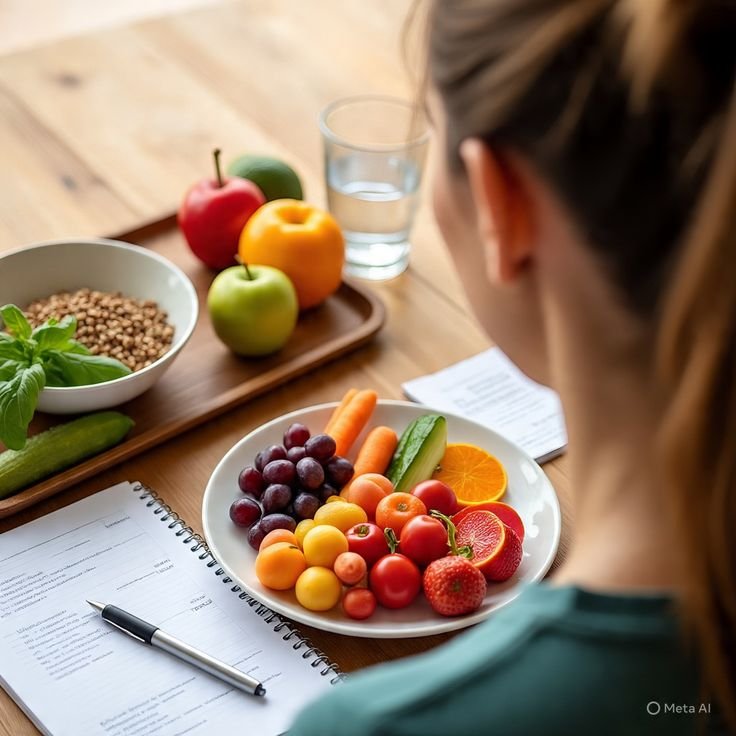
3. Keeping Basic Hygiene Non-Negotiable
It sounds simple—wash your hands, keep your surroundings clean, maintain personal hygiene. But consistency is where most people slip.
There was a time I underestimated how easily infections spread through everyday habits. A minor lapse—like eating without washing hands properly—led to a stomach issue that could have been avoided entirely.
Since then, I’ve treated hygiene as a first line of defense, not just a routine.
Key habits I stick to:
- Washing hands before eating and after coming home
- Regular cleaning of frequently touched surfaces
- Keeping personal items like phones and water bottles clean
- Practicing proper food hygiene
These small actions significantly reduce exposure to bacteria and viruses. You don’t always see the threat—but it’s there.
The biggest realization? Prevention is quiet. You don’t notice it working—but you definitely notice when it fails.
4. Staying Hydrated—Even When I Don’t Feel Thirsty
For a long time, I relied on thirst as my only cue to drink water. The problem is, by the time you feel thirsty, your body is already slightly dehydrated.
I learned this the hard way during a particularly hot period when I experienced dizziness and fatigue that I initially couldn’t explain. It turned out to be simple dehydration.
Now, I don’t wait for thirst.
Instead, I:
- Keep water within reach at all times
- Drink at regular intervals
- Increase intake during heat or physical activity
- Pay attention to signs like dry lips or low energy
Hydration affects everything—energy levels, concentration, digestion, and even mood.
It’s one of the easiest habits to maintain, yet one of the most commonly neglected. And the cost of neglecting it can range from mild discomfort to serious health issues.
5. Moving My Body Every Day (Even a Little)
I used to think exercise had to be intense to be effective. If I couldn’t commit to a full workout, I’d skip it entirely.
That all-or-nothing mindset did more harm than good.
The turning point came when prolonged sitting started causing stiffness and back discomfort. Nothing severe—but persistent enough to interfere with daily life.
Now, movement is a daily requirement, not an occasional effort.
This doesn’t mean hours at the gym. It means:
- Walking regularly
- Stretching during long work sessions
- Taking short breaks to move around
- Choosing stairs over elevators when possible
The benefits go beyond physical health:
- Better circulation
- Reduced stiffness
- Improved mental clarity
- Lower stress levels
Consistency matters more than intensity. Small, regular movement prevents the buildup of bigger problems.
6. Managing Stress Before It Manages Me
Stress used to feel like an unavoidable part of life—something to endure rather than address.
The problem is, unmanaged stress doesn’t stay contained. It spills over into:
- Sleep disruption
- Poor eating habits
- Irritability
- Reduced immunity
I realized this during a period when everything felt overwhelming. I wasn’t physically ill, but I wasn’t functioning well either.
That’s when I started treating stress management as a health safety habit.
What works for me:
- Taking short mental breaks during the day
- Spending time offline
- Practicing deep breathing or mindfulness
- Talking things out instead of bottling them up
Stress doesn’t always announce itself loudly. Sometimes it builds quietly until it affects everything.
Managing it early prevents it from turning into something bigger—both mentally and physically.

7. Not Skipping Regular Checkups
This was one of the hardest habits to adopt—not because it’s difficult, but because it’s easy to postpone.
If you feel fine, why go to a doctor?
That thinking changed when I realized that many health issues develop silently. By the time symptoms appear, the condition may already be advanced.
Regular checkups aren’t about reacting—they’re about staying ahead.
Now, I make it a point to:
- Schedule routine health screenings
- Follow up on any unusual findings
- Keep track of basic health metrics
This habit provides something invaluable: peace of mind.
Knowing that everything is on track—or catching something early—reduces uncertainty and risk.
Avoiding checkups doesn’t prevent problems. It just delays discovery.
What These Habits Taught Me
If there’s one thing these habits have shown me, it’s this: health safety isn’t about dramatic changes. It’s about consistent awareness.
None of these habits are complicated. None require special equipment or extreme discipline. But together, they create a protective layer—one that reduces risk, prevents escalation, and improves overall quality of life.
The biggest shift wasn’t physical—it was mental.
I stopped seeing health as something that only matters during illness. I started seeing it as something to protect every day.
Frequently Asked Questions (FAQs)
1. How long does it take to build these health habits?
It varies, but most habits start to feel natural within a few weeks of consistent practice. The key is to start small and stay consistent rather than trying to change everything at once.
2. Are these habits enough to prevent all health problems?
No habit can guarantee complete prevention. However, these significantly reduce risks and help detect issues early, which makes a huge difference in outcomes.
3. What if I struggle to stay consistent?
Start with one habit at a time. Focus on making it part of your routine before adding another. Consistency builds gradually, not instantly.
4. Do I need professional guidance for these habits?
Most of these habits are general and safe to adopt. However, for medical concerns or personalized advice, consulting a healthcare professional is always recommended.
5. Can small habits really make a big difference?
Yes. Small habits, when practiced consistently, have a cumulative effect. They prevent minor issues from becoming major problems over time.
6. What’s the most important habit among these?
There isn’t a single “most important” one—they work best together. However, paying attention to early warning signs and not ignoring your body is a powerful starting point.
In the end, staying healthy isn’t about perfection. It’s about awareness, consistency, and making choices that protect you—even when everything seems fine. These habits didn’t just improve my health—they saved me from trouble I didn’t even see coming.