Meta Description: Health updates for newly viruses protection are more critical than ever. Discover 10 essential steps to shield yourself and your family from emerging viral threats today.
10 Critical Health Updates to Protect Against New Viruses You Need Right Now
The new viruses don’t wait for anybody. They spread quickly, mutate faster, and catch people unaware. It could be a new strain that is making headlines, or it might be a quiet outbreak in another country, but staying one step ahead matters.
The good news? You don’t need to have a medical degree to create barriers of protection. All you need is the right information — and that’s precisely what you’ll find in this article.
So here are 10 key health lessons learned, or reinforced, in a new era of virus protection that every individual, family, and community needs to learn right now.
1. The Virus Landscape Has Shifted — Here’s What to Know
The virosphere has transformed deeply in five years. Scientists are monitoring more emerging threats than ever.
Why is this happening?
Deforestation, global travel, and climate change are all squeezing animals and humans closer together. This presents more opportunities for animal viruses to “jump” to humans — what is known as zoonotic spillover.
New Viral Threats to Look Out for in 2024–2025
| Virus Name | Origin | Risk Level | Status |
|---|---|---|---|
| HMPV (Human Metapneumovirus) | Animal-to-human | Moderate | Active outbreaks reported |
| Oropouche Virus | Midges/mosquitoes | Moderate-High | Spreading in Americas |
| H5N1 Bird Flu | Birds/cattle | High | Monitored closely |
| Marburg Virus | Bats | Very High | Sporadic outbreaks |
| MPOX (Clade Ib) | Animals | Moderate | WHO declared emergency |
Knowing what exists is a great first step. Not paying attention to the news does not make the threats go away — it simply makes you less prepared when they come.
2. Every Day, Your Immune System Needs a Tune-Up
Imagine your immune system is the engine of a car. If you don’t take care of it, it is not going to run as well when you really need it.
Most people only think about their immunity when they’re already sick. That’s too late.
Daily Habits That Actually Work
Get more sleep than you think you need. Most adults require 7–9 hours of sleep each night. While you sleep, your body makes infection-fighting proteins known as cytokines. Shorten your sleep, and you shorten your defenses.
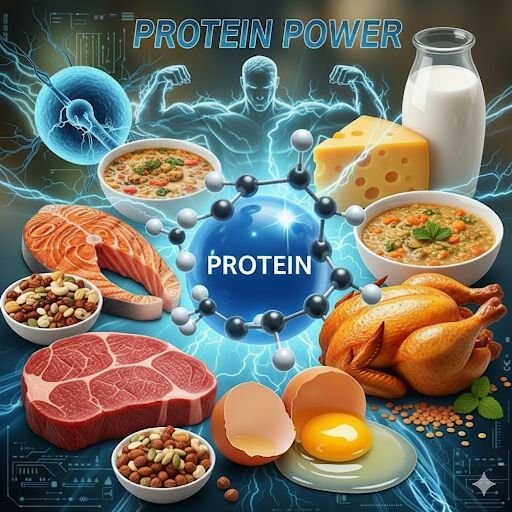
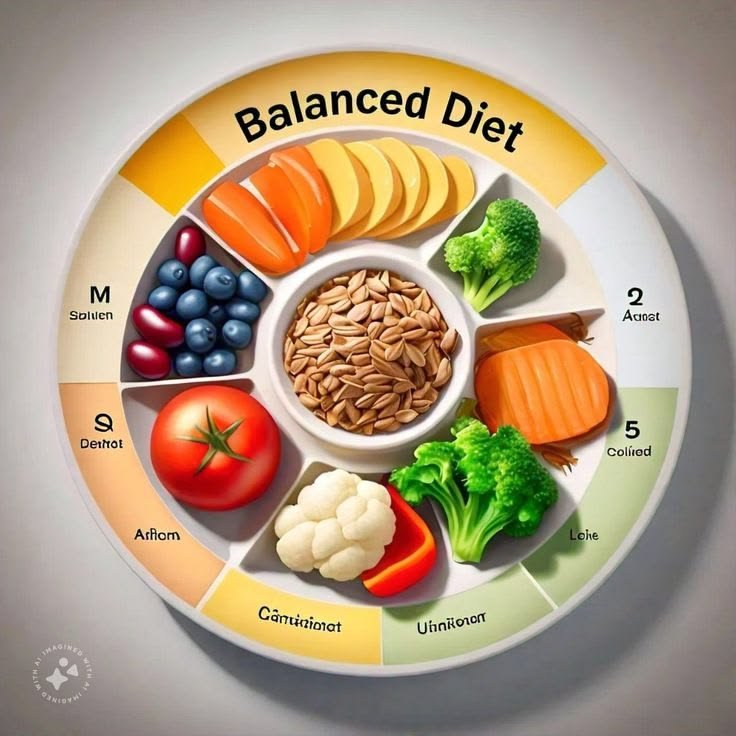
Eat the rainbow. Colorful fruits and vegetables contain vitamins C, A, and E — all of which are key for immune functioning. A plate of only beige food is a plate with little protection.
Move your body every day. A 30-minute walk increases circulation of the immune cells, for example. You don’t even need a gym membership. You need consistent movement.
Manage stress actively. Chronic stress produces cortisol, which lowers your immune response. Meditation, journaling, or even five minutes of breathing deeply can reduce your stress hormones.
Simple Immune-Boosting Nutrient Chart
| Nutrient | Best Food Sources | Why It Helps |
|---|---|---|
| Vitamin C | Oranges, bell peppers, kiwi | Boosts white blood cell production |
| Zinc | Pumpkin seeds, beef, chickpeas | Supports immune cell function |
| Vitamin D | Sunlight, fatty fish, eggs | Regulates immune responses |
| Probiotics | Yogurt, kimchi, kefir | Strengthens gut-immune connection |
| Omega-3 | Salmon, walnuts, flaxseed | Reduces inflammation |
3. Vaccination Is Still Your Best Defense
No list of health updates for new viruses protection is complete without discussing vaccines. They are still the most powerful tool we have.
Vaccines educate your immune system to identify a virus before you ever encounter it. Consider it the equivalent of a practice fire drill — your body learns how to respond so that when the real emergency arises, it’s already prepared.
For a deeper look at vaccine schedules and the latest immunization guidance, visit Daily Health Updates — a trusted resource for staying current on virus protection news and wellness advice.
What You Should Pay Attention To Now
Flu vaccine — every year. The flu virus mutates constantly. Last year’s vaccine may not cover the current strain. Get the updated shot every fall.
COVID-19 boosters. New variants keep emerging. Health officials modify vaccine formulations to stay in line. Check if you’re due for a booster.
MPOX vaccine. If you’re in a high-risk group or planning travel to affected areas, this vaccine is now widely accessible.
H5N1 preparedness vaccines. Stockpiles are being built in case bird flu speeds up human spread. Keep an eye on availability in your area.
Don’t wait for other people to remind you when you’re due. Set calendar reminders. Ask your doctor or pharmacist. Take the initiative.
4. Hand Hygiene Is Still Saving Lives — Don’t Get Lazy About It
It sounds simple. It sounds old. But dirty hands remain one of the leading ways that viruses are transmitted from person to person.
Handwashing is proven to cut the rates of respiratory illness by up to 21% and diarrheal disease by up to 31%. Those are gigantic numbers for something that takes 20 seconds.
How to Wash Your Hands the Right Way
Most people wash their hands incorrectly. Here’s the correct method:
- Rinse hands with clean, running water
- Soap up and rub together for at least 20 seconds
- Scrub between fingers, under fingernails, and on the backs of hands
- Rinse thoroughly
- Wipe dry with a clean towel or allow to air dry
When does it matter most?
- Before and after eating
- After touching shared surfaces (doorknobs, phones, ATMs)
- After using the bathroom
- After coughing, sneezing, or blowing your nose
- After being in public spaces or crowded areas
Hand sanitizer does the trick when soap is unavailable — but it’s no substitute for the real deal.
5. Respiratory Protection Has Changed — Know When to Use It
Masks became a hot topic during COVID-19. But the conversation around respiratory protection for emerging viruses is more complicated now.
You do not have to wear a mask in every place, every day. But you have to know when it truly helps.
Mask Effectiveness by Type
| Mask Type | Filtration Rate | Best Used For |
|---|---|---|
| N95/KN95 Respirator | ~95% of airborne particles | High-risk settings, caring for sick |
| Surgical Mask | ~60–80% of droplets | Crowded indoor spaces during outbreaks |
| Cloth Mask | ~20–40% | Low-risk situations, light protection |
| No Mask | 0% | Outdoor, low-density settings |
When Masking Really Matters
Wear a quality mask when:
- You’re visiting hospitals or clinics
- There’s an active local outbreak
- You are immunocompromised or caring for someone who is
- You’re traveling through crowded international transit
- A health authority has issued a recommendation
Wearing a mask when you should is intelligent. It is not fear — it is a strategic choice.
6. Indoor Air Quality Matters More Than Many People Think
Here’s something most people never think about: the air in your home or office can actually retain viruses longer than outdoor air.
Insufficient ventilation allows viral particles to linger. In a closed room, when someone coughs or exhales, those particles remain suspended for minutes — sometimes longer.
How to Make Indoor Air Better at Blocking Viruses
Open windows regularly. Fresh air for just 10 minutes can radically dilute indoor particle concentration.
Use HEPA air purifiers. These filters capture particles as small as 0.3 microns — small enough to trap many viral aerosols. Place them in bedrooms and living rooms.
Avoid crowding enclosed spaces. The greater the number of people in a small, poorly ventilated room, the greater the viral load if someone is infected.
Monitor CO₂ levels. High carbon dioxide usually indicates bad ventilation. CO₂ monitors are affordable and tell you when to air out.
Keep humidity between 40–60%. Dry air allows viral particles to travel further. A basic humidifier can help maintain this range.
This one change alone can make a huge difference in reducing your household’s exposure risk during any viral outbreak.
7. Travel Safety Precautions Have Never Been More Needed
International travel has returned to pre-pandemic levels. So has the potential to pick up or transport newly emerging viruses across borders.
Viruses don’t check passports. Within hours, a traveler from an outbreak zone can unknowingly carry a virus to a completely new country.
Before You Go — A Virus Protection Checklist
- ✅ Check CDC and WHO travel health advisories for your destination
- ✅ Receive all recommended vaccinations at least 4–6 weeks prior to travel
- ✅ Prepare a basic health kit: masks, hand sanitizer, thermometer, simple medicines
- ✅ Know where the closest medical facilities are at your destination
- ✅ Buy travel health insurance that covers treatment of infectious diseases
- ✅ Be aware of symptoms for any viruses currently active in your destination region
During Travel
Do not touch your face in airports, train stations, and other high-traffic hubs. These environments are among the highest-risk areas for viral exposure. Wash or sanitize your hands after touching shared surfaces, including armrests, trays, and screens.
After You Return
Be on the lookout for at least 10–14 days. If you develop fever, rash, respiratory symptoms, or anything out of the ordinary, contact a healthcare provider and mention your travel history. This detail helps doctors test for the correct things right away.
According to the World Health Organization’s official travel health guidelines, checking destination-specific advisories before any trip is one of the most effective ways to avoid exposure to active viral outbreaks.
8. Virus Anxiety and Mental Health — Finding the Right Balance
There’s a real psychological dimension to living in a world with perpetual viral threats. Constant fear, doom-scrolling, and health anxiety can also compromise your immune system.
This is not a small issue. Rates of health anxiety soared during and after COVID-19. There was a fear of germs that became so severe it disrupted daily life for many people.
Signs Your Virus Worry Has Gone Too Far
- You check health news more than 5–10 times per day
- You avoid all social contact out of fear of infection
- You have a nagging low-level dread about becoming ill
- You over-sanitize to the point of skin damage
- You have trouble sleeping because of health concerns
How to Stay Informed Without Spiraling
Limit news checks to twice a day. Set two specific times — morning and evening — to log on for updates. Outside those windows, step away.
Stick to trusted sources. WHO, CDC, and your national health ministry are credible. Random social media accounts are not.
Talk about it. When shared with a trusted friend or therapist, worries become much lighter psychologically.
Focus on what you can control. Your hygiene, your diet, your sleep, and your vaccinations are all within your control. You can’t manage every outbreak on the planet. Separate the two categories.
Taking care of your mental health is taking care of your immune health. They are directly connected.
9. Higher-Risk Populations Need Multiple Layers of Protection
Newly emerging viruses do not pose the same risk to everyone. Children under 5 and adults over 65 are consistently among the most vulnerable groups.
This isn’t about being overprotective. It’s about being realistic with biology.
Why These Groups Face Higher Risk
Children have immune systems that are still developing. They also touch everything, put their hands in their mouths, and spend time in close-contact group settings such as daycares and schools.
Older adults undergo a process called immunosenescence — a gradual erosion of immune function as people age. Their bodies produce fewer antibodies, and they respond more slowly to threats.
Protective Measures by Group
For Children:
- Keep vaccinations fully up to date (flu, COVID, routine childhood vaccines)
- Teach proper handwashing early — make it a game
- Keep sick children at home; don’t send them back to school until they are well
- Watch closely for new viral symptoms and call a pediatrician early
For Elderly Adults:
- Prioritize annual flu and updated COVID vaccines
- Ask doctors about pneumonia and RSV vaccines
- Avoid crowded indoor gatherings during active outbreak periods
- Ensure strong nutritional intake, particularly vitamin D and zinc
- Schedule regular health check-ins even when feeling well
Protecting these groups is a responsibility for families and communities — not only individuals.
10. Build a Home Preparedness Plan Before It’s Needed
The time to prepare for a viral outbreak is not when one is already underway. Panic buying, overwhelmed clinics, and contradictory advice only compound the problem.
Planning ahead is calm, clever, and super practical.
What Should Be in Your Home Preparedness Kit
| Item | Purpose | Recommended Amount |
|---|---|---|
| N95 or KN95 Masks | Respiratory protection | 2–4 per person |
| Hand Sanitizer (60%+ alcohol) | Hand hygiene on-the-go | 2 bottles per person |
| Digital Thermometer | Monitor for fever | 1–2 per household |
| Pulse Oximeter | Track oxygen levels | 1 per household |
| 30-day medication supply | Maintain chronic prescriptions | Per individual need |
| Electrolyte drinks/powder | Hydration support during illness | 1–2 week supply |
| Basic OTC medicines | Fever, pain, congestion | Per household needs |
| HEPA Air Purifier | Indoor air filtration | 1 per primary room |
Your Household Action Plan
Gather with your family and discuss these questions:
- Who is our designated healthcare contact if someone gets sick?
- Which room would we use for isolation if needed?
- Where are our important medical documents kept?
- What symptoms should we be on the lookout for with current viral threats?
- Who are our emergency contacts outside the household?
It takes 20 minutes to write these answers down. It might save precious time in a real health emergency.
Putting It All Together — Your Virus Protection Priority List
You don’t have to do it all at once. Start with the easiest thing and go from there.
This week: Wash your hands better, sleep more, and check if your vaccines are up to date.
This month: Build your home preparedness kit, improve indoor ventilation, and set healthy screen-time limits for news.
This year: Maintain consistent immune-boosting habits, rely only on trusted sources, and book a health check-in with your doctor.
Small, consistent steps mean so much more than one frantic flurry of activity when an outbreak hits.
Frequently Asked Questions
Q1: How can I determine if a new virus is a real threat or simply media hype? Look at the WHO and CDC websites directly. Search for official outbreak declarations, numbers of cases, and rates of transmission. If public health officials are responding, listen up. If they are not, the risk might be less than the headlines indicate.
Q2: Is it true I need a new flu shot each year? Yes. The flu virus evolves every season, and vaccine formulas are updated to align with the most likely circulating strains. Last year’s shot might not be protective against this year’s variants.
Q3: Will diet alone protect me from viruses? Diet is one level of protection — a critical one. But no single food or supplement will make you immune. Viruses require multi-layered protection: a combination of vaccines, hygiene, ventilation, sleep, and nutrition all working together.
Q4: If I suspect I’ve been exposed to a new virus, how long do I need to isolate? This varies by the specific virus. 5–10 days of monitoring are standard for most respiratory viruses. Refer to the most recent guidance from your national health authority regarding the specific pathogen in question.
Q5: Should we buy air purifiers to protect against viruses? Yes, particularly HEPA-rated purifiers. They work best in smaller, enclosed spaces such as bedrooms and home offices. They perform best in conjunction with good ventilation — not as a replacement for it.
Q6: What’s the single most important thing I can do right now to protect against new viruses? Make sure vaccinations are up to date. Nothing else provides the kind of targeted, virus-specific protection that vaccines offer. Everything else builds on top of that foundation.
Final Thoughts
The risk from new viruses is real — but so are your means of self-defense.
Health updates for newly viruses protection aren’t about living with fear. They’re about making smart, informed decisions that keep you and the people you love safer. Every habit on this list is something you can start today — no special equipment or medical training needed.
Stay informed. Stay prepared. And move one practical step at a time.
Sources: World Health Organization (WHO), Centers for Disease Control and Prevention (CDC), National Institutes of Health (NIH), peer-reviewed public health research.