15 Must-Know Alerts from Health Updates for Newly Viruses Protection
In an age where global travel, climate change, urban density, and wildlife interaction accelerate the emergence of new infectious diseases, staying informed is no longer optional — it is essential. Over the past decades, health authorities like the World Health Organization and Centers for Disease Control and Prevention have repeatedly warned that newly emerging viruses will continue to appear. The difference between panic and protection often comes down to awareness, preparation, and practical daily habits.
This comprehensive guide presents 15 critical health alerts everyone should know to protect themselves and their families from newly emerging viruses. It includes actionable strategies, scientific insights, prevention tables, and quick-reference charts to make the information useful — not overwhelming.
Why New Viruses Keep Emerging
New viruses emerge due to several factors:
- Increased human-animal contact
- Global travel spreading infections rapidly
- Urban overcrowding
- Environmental disruption
- Mutation of existing viruses
Understanding these drivers helps explain why protection measures must evolve continuously.
Chart: Major Drivers of Emerging Viral Threats
| Factor | How It Contributes | Example Impact |
|---|---|---|
| Wildlife contact | Jump from animals to humans | Zoonotic outbreaks |
| Air travel | Rapid global spread | Multi-country transmission |
| Urban density | Easier person-to-person spread | Mega-city outbreaks |
| Climate change | Expands vector habitats | Mosquito-borne viruses |
| Antibiotic misuse | Weakens immune resilience | Secondary infections |
Alert 1: Monitor Official Health Updates Daily
Rely on trusted health agencies for real-time alerts instead of rumors on social media.
Action Steps
- Follow official health ministry announcements
- Check verified news sources
- Enable emergency notifications
Alert 2: Understand Early Symptoms of New Viral Infections
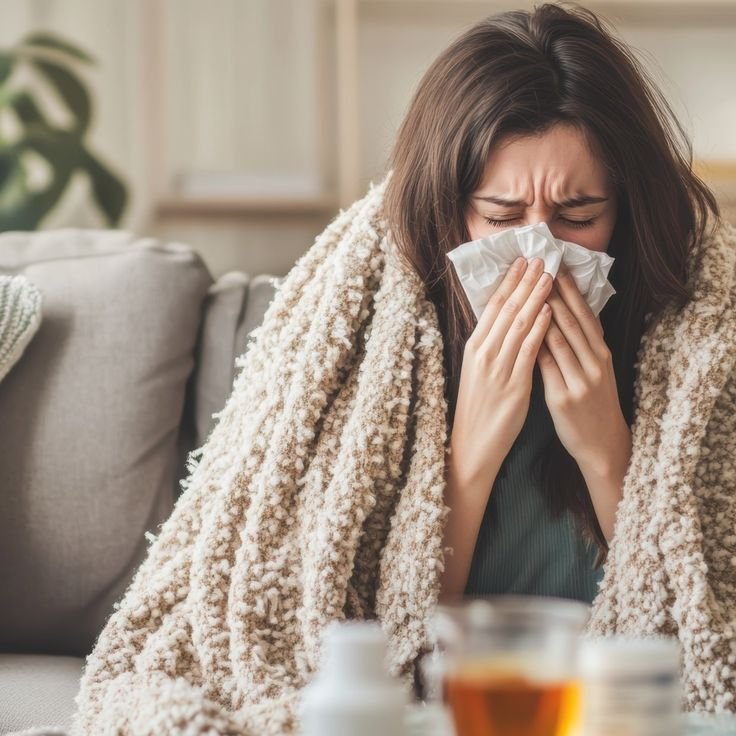
New viruses often share common early signs:
- Fever
- Fatigue
- Headache
- Muscle pain
- Dry cough
Early detection reduces spread and improves outcomes.
Table: Symptom Response Guide
| Symptom Severity | Recommended Action |
|---|---|
| Mild | Rest, hydrate, monitor |
| Moderate | Consult doctor remotely |
| Severe | Seek immediate care |
Alert 3: Strengthen Your Immune System Before Exposure
Prevention begins long before an outbreak.
Core immune boosters
- Balanced nutrition
- Quality sleep
- Regular exercise
- Stress management
Alert 4: Practice Advanced Hand Hygiene
Basic handwashing is good — strategic hygiene is better.
High-risk moments to wash hands
- After public transport
- Before eating
- After touching shared surfaces
- After coughing or sneezing
Alert 5: Upgrade Your Mask Strategy
Not all masks offer equal protection.
Mask Protection Comparison
| Mask Type | Protection Level | Best Use |
|---|---|---|
| Cloth mask | Low | Low-risk areas |
| Surgical mask | Medium | Crowded indoor spaces |
| Respirator (N95/KN95) | High | Outbreak situations |
Alert 6: Improve Indoor Air Quality
Airborne viruses spread easily in closed spaces.
Protection methods
- Open windows
- Use air purifiers
- Install ventilation systems
- Avoid overcrowded rooms
Alert 7: Limit Exposure During Early Outbreak Stages
When a new virus appears, early distancing slows spread dramatically.
Smart distancing tactics
- Avoid large gatherings
- Choose outdoor meetings
- Use contactless services
Alert 8: Build a Home Protection Kit
Prepared households respond calmly.
Essential Virus Protection Kit
| Item | Purpose |
|---|---|
| Thermometer | Monitor fever |
| Pulse oximeter | Check oxygen levels |
| Disinfectants | Surface cleaning |
| Medical masks | Personal protection |
| Basic medicines | Symptom relief |
Alert 9: Stay Updated on Vaccination Developments
Vaccines often become the strongest protection once available.
- Track eligibility
- Understand booster schedules
- Follow official recommendations
Alert 10: Protect High-Risk Family Members
Elderly individuals, pregnant women, and people with chronic illness require extra precautions.
Protective measures
- Limit visitors
- Prioritize vaccinations
- Maintain strict hygiene
Alert 11: Recognize Misinformation and Panic Traps
False cures and conspiracy theories can be dangerous.
How to verify information
- Check multiple trusted sources
- Look for scientific backing
- Avoid sensational claims
Alert 12: Strengthen Mental Health During Outbreaks
Fear weakens resilience.
Mental protection tips
- Limit news consumption
- Maintain routines
- Stay socially connected online
Alert 13: Travel Smart During Emerging Threats
Before traveling:
- Check outbreak zones
- Carry protective supplies
- Know local healthcare facilities
Travel Risk Checklist
| Question | If YES |
|---|---|
| Is there an outbreak at destination? | Consider postponing |
| Will you attend crowded events? | Take extra precautions |
| Are medical services accessible? | Keep emergency contacts |
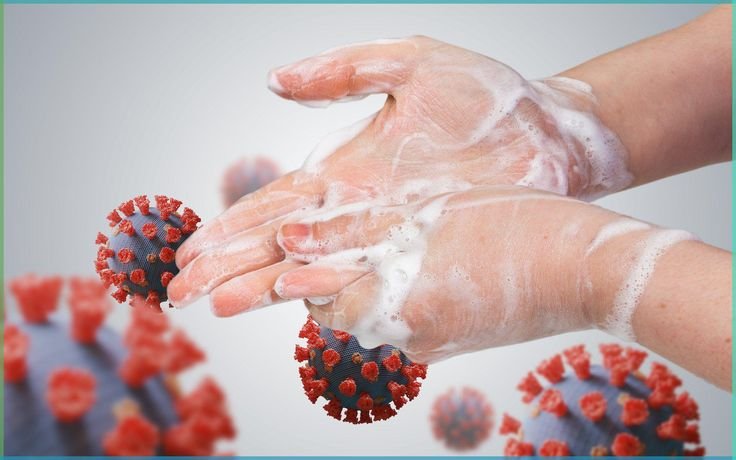
Alert 14: Maintain Surface and Object Hygiene
Viruses can survive on surfaces for hours or days.
High-touch objects to clean
- Phones
- Door handles
- Keyboards
- Wallets
- Shopping bags
Alert 15: Know When to Seek Medical Help
Delayed treatment can worsen outcomes.
Emergency Warning Signs
| Symptom | Immediate Action |
|---|---|
| Breathing difficulty | Emergency care |
| Persistent chest pain | Urgent evaluation |
| Confusion | Immediate help |
| Bluish lips/face | Emergency services |
Long-Term Protection Strategy
Protection from new viruses is not a one-time effort. It requires a lifestyle approach combining:
- Awareness
- Preparedness
- Hygiene
- Community responsibility
Communities that act early save lives.
Frequently Asked Questions (FAQs)
1. How do new viruses usually start spreading?
Most new viruses originate from animals and spread to humans, then adapt for human-to-human transmission, especially in crowded environments.
2. What is the single most effective protection method?
A combination of vaccination (when available), hygiene, masking in high-risk situations, and ventilation offers the strongest protection.
3. Should healthy people worry about new viruses?
Yes. Even mild infections can spread to vulnerable individuals. Responsible behavior protects everyone.
4. How can families prepare in advance?
Maintain a medical kit, emergency contacts, backup supplies, and a communication plan.
5. Are natural remedies enough for protection?
Healthy habits support immunity but cannot replace medical prevention methods like vaccines and masks.
6. How often should health updates be checked?
During outbreaks, check official updates daily; otherwise, weekly monitoring is sufficient.
Final Thoughts
New viral threats are a reality of the modern world, but panic is not the solution — preparation is. By following these 15 must-know alerts, individuals can dramatically reduce risk, protect loved ones, and contribute to community safety.
Staying informed, calm, and proactive transforms uncertainty into control. The goal is not fear of new viruses — it is confidence in your ability to face them safely.