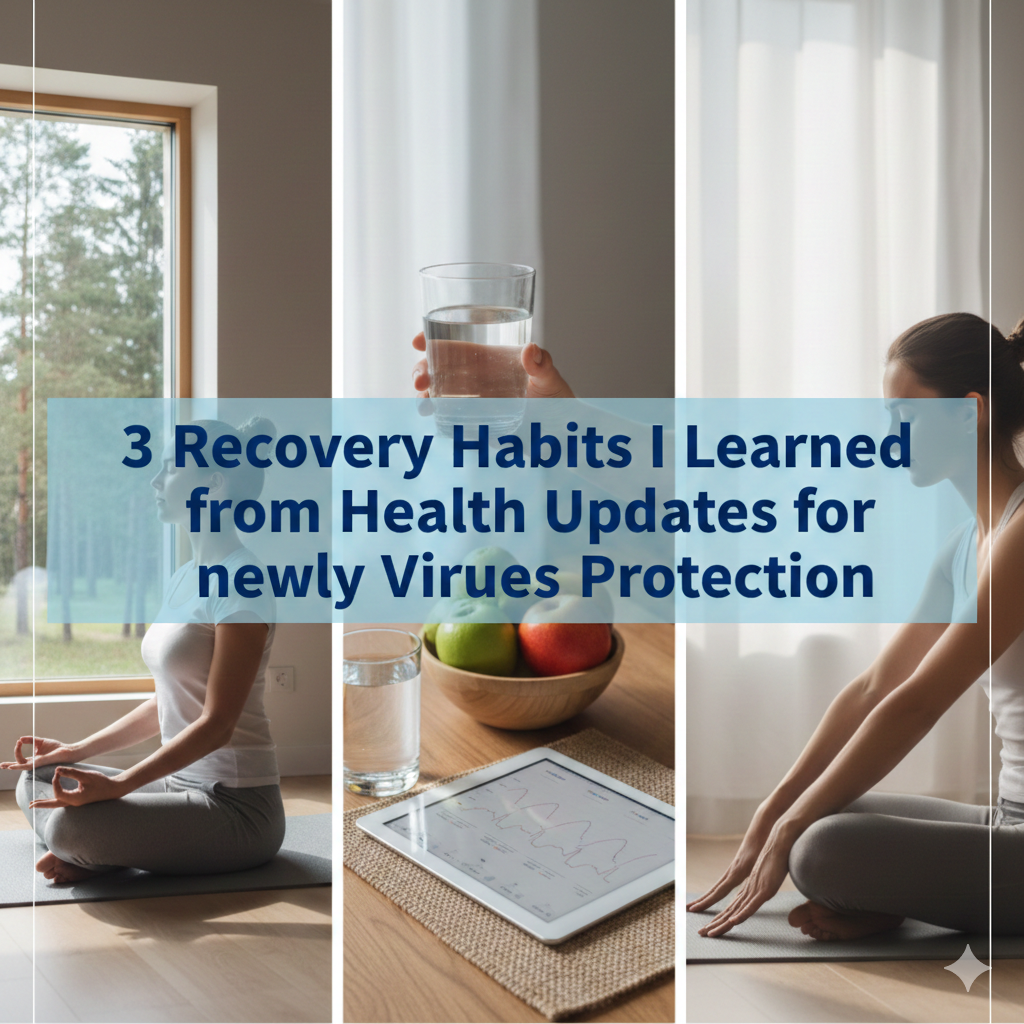
3 Recovery Habits I Learned from Health Updates for Newly Viruses Protection
I’ve always been someone who prides himself on staying healthy, you know? Growing up in Karachi, where the air can get thick with dust and the summers feel like they’re trying to melt you, I’ve learned to pay attention to my body. But nothing prepared me for the wave of new viruses we’ve seen in recent years. From COVID-19 variants to emerging threats like mpox or even whispers of bird flu jumping to humans, the health updates coming out of places like the WHO and CDC have been eye-openers. I remember scrolling through news feeds back in 2020, feeling a mix of fear and curiosity, and that’s when I started digging deeper into not just how to avoid these bugs, but how to bounce back if one gets you.
Recovery isn’t just about waiting it out; it’s about building habits that help your body heal while arming it against the next potential threat. Over the past few years, I’ve pieced together insights from various health reports – things like the CDC’s guidelines on post-viral syndromes, WHO advice on epidemic preparedness, and even studies on long COVID from places like Johns Hopkins. What struck me was how interconnected recovery and protection are. You can’t really separate them because good recovery habits often double as preventive measures for new viruses. After dealing with a bout of what I suspect was a mild viral infection last year – fatigue that lingered for weeks – I decided to focus on three key habits that have made a real difference in my life. These aren’t fancy or complicated; they’re practical, drawn from real health updates, and they’ve helped me feel more in control in a world where new viruses seem to pop up every season.
Let me share them with you, step by step, with some stories from my own experience and what the experts say. I hope this helps if you’re navigating similar waters.

Habit 1: Prioritizing Rest and Sleep as the Foundation of Healing
Rest isn’t just lounging around; it’s a strategic reset for your immune system. I first stumbled on this in a CDC report on chronic symptoms following infections, where they emphasized that infections can leave you with lingering fatigue for months if you don’t give your body time to recover properly. Think about it – when a new virus hits, like the Omicron variants we saw a couple of years back, your body goes into overdrive fighting it off. But if you push through without adequate rest, you risk post-viral syndrome, which is basically your system saying, “Hey, I need a break!”
In my case, after that viral episode last year, I tried to jump back into my routine too quickly. I work in tech, and sitting at a desk all day seemed harmless, but by evening, I’d be wiped out, barely able to focus on dinner with my family. That’s when I read about post-viral fatigue management from the British Association of Clinicians in ME/CFS. They talk about balancing activity with regular rests, even stopping work if needed to let your body focus on healing. It sounded extreme at first, but I gave it a shot. I started by setting aside “rest blocks” in my day – 20 minutes here and there where I’d just lie down, no phone, no distractions. And sleep? I made it non-negotiable. Aiming for 7-9 hours a night, as recommended in those UnityPoint Health tips for recovering from COVID or flu.
Why does this tie into protection against new viruses? Health updates from the WHO stress that a well-rested body has a stronger immune response. Sleep regulates cytokines, those little proteins that help fight infections. If you’re sleep-deprived, you’re more susceptible to catching something new, like an emerging flavivirus or whatever the next big thing is. I recall a study from the National Institutes of Health on how poor sleep increases vulnerability to respiratory viruses – it’s like leaving your front door unlocked in a neighborhood full of thieves.
To make this habit stick, I changed my environment. No screens an hour before bed, a cooler room (Karachi nights can be brutal, so a fan helps), and even some chamomile tea, which isn’t just an old wives’ tale; it’s backed by research for promoting relaxation. Over time, this habit didn’t just help me recover faster; it made me more resilient. Friends noticed I wasn’t getting as run down during flu season. And when health alerts come out about new threats, like the recent ones on dengue surges in our region, I feel prepared because my baseline energy is higher.
But let’s dive deeper. Experts like those at Verywell Health suggest incorporating relaxation techniques into rest periods. Yoga nidra, for instance – a guided meditation where you stay aware but deeply relaxed – has been a game-changer for me. It’s not about exercise; it’s about mental rest, which combats the brain fog that often follows viral infections. In one PMC article on post-viral syndromes, they noted how mindfulness can reduce depression linked to tiredness. I tried it during a particularly bad week, lying on my mat, following a free app, and it felt like hitting a reset button.
Of course, rest looks different for everyone. If you’re a parent or have a demanding job, carving out time might mean delegating tasks or saying no to extra commitments. I learned that the hard way when I overcommitted to a family gathering right after feeling better – boom, setback. Now, I pace myself, inspired by the Royal College of Occupational Therapists’ advice on managing post-viral fatigue: keep TV and social media minimal during recovery to avoid mental drain.
In terms of protection, this habit extends to hygiene during rest. The CDC’s core prevention strategies include staying home when sick, which is essentially enforced rest. By resting properly, you’re not only healing but also preventing spread to others, breaking the chain for new viruses. Imagine if everyone did this – we’d nip outbreaks in the bud.
I’ve seen this play out in my community. During the last wave, neighbors who rested fully recovered quicker and didn’t pass it on as much. It’s a simple habit, but in the context of emerging threats like those filoviruses Gilead is researching, it’s foundational. Without good rest, your body’s defenses crumble.
Expanding on this, let’s talk about the science. Sleep enhances T-cell function, crucial for viral clearance. A study in the Journal of Experimental Medicine showed how sleep deprivation impairs antiviral immunity. So, when health updates warn of new strains, like the evolving SARS-CoV-2, prioritizing sleep isn’t optional; it’s armor.
Personally, I’ve tracked my sleep with a basic app, noting how better rest correlates with fewer sick days. It’s empowering. If you’re starting this habit, begin small: one extra hour of sleep, one rest break. Build from there. It’s not laziness; it’s smart recovery and protection.
Habit 2: Nourishing the Body with Targeted Nutrition and Hydration
Food and water – basics, right? But in the realm of viral recovery and protection, they’re superheroes. I learned this from digging into UnityPoint Health’s nine tips for faster recovery from COVID or flu, where hydration tops the list. When you’re sick, your body loses fluids through fever or even just breathing harder, leading to dehydration that slows healing. And for new viruses? The same principle applies: a well-hydrated body maintains mucous membranes that trap invaders.
After my infection, I felt constantly thirsty, and my energy tanked. That’s when I read WebMD’s overview on COVID recovery, emphasizing fluids and healthy foods. I swapped soda for water infused with lemon – not just for taste, but because vitamin C aids immune function, as per numerous health updates. Chicken noodle soup became a staple; it’s not folklore. The warmth soothes, and the nutrients support recovery, as noted in those tips.

Nutrition-wise, focusing on anti-inflammatory foods helped. Emerging viruses often trigger inflammation, leading to long-term issues like in long COVID studies from News-Medical. I incorporated fruits, veggies, nuts – think mangoes and spinach, easy to get here in Pakistan. Proteins for tissue repair, like eggs or lentils, since viral damage hits organs hard.
Protection angle? The Harvard Health guide on preventing infections highlights how a balanced diet bolsters immunity. Vitamins A, C, D, E, zinc – all from food – reduce susceptibility. In a PMC piece on combating emerging respiratory viruses, they stress nutrition’s role in vaccine efficacy too. Get vaccinated, but fuel your body right.
My routine now: start with water, aim for 3 liters daily, more if active. Meals include colorful plates – salads with tomatoes, cucumbers, and a protein. Avoid processed stuff; it spikes inflammation. During recovery, I added honey for coughs, safe for adults as per guidelines.
Anecdotally, when a cousin got hit with a virus, I shared this habit. He recovered faster than expected, crediting the hydration. It’s simple, but in hot climates like ours, it’s vital.
Deeper dive: Hydration maintains blood volume for nutrient transport. Dehydration thickens blood, straining the heart – risky post-virus. Nutrition supports gut health, where 70% of immunity resides. Probiotics from yogurt help, as per Metagenics’ post-viral tips.
For new viruses, like those in WHO’s epidemic prep, nutrition prevents severe outcomes. Malnourished folks fare worse.
I’ve experimented: green teas for antioxidants, avoiding alcohol which dehydrates and suppresses immunity, as in those five key considerations.
This habit transformed my recovery; I felt stronger quicker. It’s protection in a plate.
Habit 3: Embracing Mindful Movement and Stress Management
Movement after a virus? Counterintuitive, but gradual is key. From the Heart Research Institute’s advice on regaining fitness post-COVID, start with low-intensity like walking or yoga after seven symptom-free days. Pushing too hard exacerbates fatigue.
I started slow: short walks in my neighborhood, building up. It cleared my head and boosted endorphins. Stress management ties in – viruses amp anxiety, worsening symptoms. Mindfulness, from Verywell Health, helps.
For protection, exercise strengthens lungs and heart, per CDC. Stress reduction via meditation enhances immunity.
My practice: daily 10-minute meditation, yoga twice weekly. It reduced my post-viral aches.
In context of new viruses, like in IDSA’s emerging threats, resilient minds handle outbreaks better.
This habit completes the trio: rest fuels, nutrition nourishes, movement sustains.
Conclusion
These habits – rest, nutrition, movement with mindfulness – learned from health updates, have been my shield. In a world of new viruses, they’re empowering. Start small; your body will thank you. Stay informed, stay healthy.