3 Simple Health Updates for newly Viruses Protection My Doctor Told Me

3 Simple Health Updates for New Virus Protection My Doctor Told Me A couple of weeks back, I finally dragged myself into the clinic for what I thought was just a quick check-up. Winter had been dragging on, and with all the chatter online about this weird new flu strain making everyone sicker faster than usual, I figured it was smart to get some professional reassurance. My doctor, Dr. Ramirez – she’s been my go-to for years, no-nonsense but always takes the time to really explain things – leaned back in her chair after checking my vitals and said, “Abdul, with these viruses evolving so quickly now, it’s not about panicking. It’s about three straightforward updates to what you’re already doing. Simple stuff that adds up.” She didn’t launch into a lecture or hand me a pamphlet full of jargon. Instead, she broke it down like we were chatting over coffee, sharing stories from her patients and what the latest data was showing from places like the CDC and hospitals right here in Pakistan and abroad. I left that appointment feeling empowered instead of overwhelmed, and honestly, implementing what she said has already made me breathe easier – literally and figuratively. What struck me most was how she framed these as “updates,” not brand-new rules. We’ve all heard the basics since the pandemic hit, but things have shifted with new strains popping up, like that H3N2 subclade K variant everyone’s calling the “super flu” even though experts say it’s more like a sneaky evolver than some apocalypse bug. Climate change is pushing mosquito-borne stuff like dengue farther north, and there are whispers of other threats like Nipah in certain regions. But Dr. Ramirez kept it practical: protect yourself without upending your life. These three updates – vaccinations tailored to today’s threats, cleaning up the air you breathe indoors, and locking in daily habits that boost your defenses – are what she swears by for anyone wanting real protection against whatever comes next. I’ve been testing them out in my Karachi routine, juggling work from home, family visits, and the occasional market run, and I’ll walk you through each one just like she did with me. No hype, just what works based on real science and everyday life. Let’s start with the first one, because it’s the foundation she hammered home right away. “Vaccines aren’t optional anymore if you want a fighting chance,” she told me, pulling up some notes on her screen about the current season. That new flu variant, the H3N2 subclade K, has been hitting hard this year, spreading earlier and causing more hospitalizations because it dodges some of the immunity from older shots or past infections. It’s not a completely novel virus – it’s a mutated version of the regular flu – but it’s enough to make symptoms hit like a truck: sudden fever, body aches that knock you flat, cough that lingers for weeks. Vaccines still cut your risk significantly, even if they’re not 100 percent perfect against this strain. The updated 2025-2026 flu shot is designed to match the circulating bugs better, and she recommended getting it as soon as possible, ideally before peak season ramps up. Same goes for the latest COVID booster, which targets those recent variants like LP.8.1 that keep slipping through. I admit, I was one of those people who thought, “I had it last year, I’m probably fine.” But she explained how immunity wanes, especially after a few months, and with multiple respiratory viruses overlapping – flu, COVID, RSV – layering protection matters. For folks like me in their thirties, or anyone with family around, it reduces not just your chance of getting sick but how bad it gets and how long you spread it. She shared a quick story about a patient her age who skipped the shot and ended up in the hospital with complications from that subclade strain. “One shot, maybe a sore arm for a day, versus weeks of misery,” she said. And get this: you can often get the flu and COVID shots at the same time now, no waiting around. For high-risk groups – elders, pregnant folks, those with diabetes or asthma, which is common here – it’s non-negotiable, but honestly, she pushed it for everyone six months and up. Thinking back, I scheduled mine the next day at a local pharmacy. The process was quick: a quick chat with the pharmacist, roll up my sleeve, done in five minutes. I felt a bit tired the next evening, nothing major, and by day three I was back to normal. But the peace of mind? Worth every bit. Dr. Ramirez mentioned how data from places like Stanford and the CDC shows that even with partial matches, vaccinated people have way fewer severe cases. It’s not just about you either – it protects the vulnerable around you, like my parents or neighbors who rely on public transport. If you’re traveling, especially to areas with dengue risks or crowded spots, it’s an extra layer. One thing she cleared up: side effects are mild for most, way better than the real deal. And no, it doesn’t cause the flu; that’s a myth that sticks around every year. She even suggested checking with your own doctor about any personal factors, like if you need a high-dose version for better response if you’re over 65 or immunocompromised. I’ve since talked to friends about it, and a surprising number hadn’t updated theirs. One guy said he felt “invincible” after recovering from a mild bout, but she’d laugh at that – viruses don’t care about your confidence. The update here is timing and specificity: don’t wait till you’re sick, and make sure it’s the current formula, not last year’s. For kids, pregnant women, it’s tailored too, with single-dose options free of certain preservatives. Honestly, after hearing her, I realized skipping it was like driving without a seatbelt – you might be okay, but why risk it when new strains keep emerging? This one change alone has me feeling proactive, not reactive. Now, the second update caught me off guard because it wasn’t what I expected from a doctor visit. “Air quality inside your home and office is your secret weapon,” Dr. Ramirez said, gesturing like she was drawing a box around an imaginary room. Turns out, with so many viruses spreading through tiny airborne particles – not just big droplets from coughs – the old “stay six feet away” advice has evolved. Indoor spaces trap those particles, especially in humid Karachi winters or air-conditioned summers. She pointed to how post-pandemic research from organizations like the American Lung Association showed that simple ventilation cuts transmission risks dramatically. It’s an update because we used to focus mostly on surfaces, but now we know the air itself is the bigger player for respiratory bugs like this new flu or COVID variants. She walked me through practical steps I could do without buying fancy gear at first. Open windows for even 10-15 minutes a couple times a day, especially when cooking or after guests leave. Crack them during sleep if it’s safe – I live in a secure building, so I tried it, and yeah, it freshens everything. Use exhaust fans in the kitchen and bathroom to pull air out. If you have an AC or fan, run it on circulate mode with a good filter. She recommended checking your HVAC filters; aim for MERV 13 or higher if possible, and swap them every three months. For bigger impact, a portable HEPA purifier in high-traffic rooms like the living area or bedroom. I picked one up affordably online – nothing crazy expensive – and placed it near where I work from home. It hums quietly, and I swear the air feels lighter. Why does this work so well against new viruses? Those particles hang in still air for hours, but fresh airflow dilutes them, and filters catch what’s floating. Dr. Ramirez shared how hospitals and schools are adopting this now, reducing outbreaks without masks everywhere. In my case, with family dropping by for iftar during Ramadan vibes or just weekend chai, it means less worry about passing something along. She mentioned studies showing HEPA units can drop virus loads by 50-90 percent in enclosed spaces. Common mistake? Thinking one purifier fixes the whole house – nope, target the rooms you spend time in. And combine it with opening doors when weather allows; even in dusty Karachi, short bursts help more than you’d think. I’ve made it a habit now: morning window open while making tea, evening one before bed. My wife noticed fewer dust allergies too, bonus. For folks in smaller apartments or high-rises, she suggested grouping activities outdoors when possible – picnics instead of indoor gatherings. It’s not perfect, especially during bad pollution days, but pairing it with the vaccine update creates this double shield. Honestly, before this chat, I never thought about air as “protection” – it felt too passive. But running that purifier while I type this? It’s become second nature, and I sleep better knowing I’m not marinating in recirculated germs. If budget’s tight, start small: fans, windows, clean filters. The update is making it daily, not just when someone’s coughing nearby. The third update ties everything together with habits you probably know but might not do consistently. “Hygiene and your body’s own defenses – that’s where the magic happens long-term,” Dr. Ramirez emphasized, handing me a quick list she scribbled. It’s an update because with overlapping seasons of flu, COVID, and others, sporadic efforts don’t cut it anymore. The core is still handwashing – 20 seconds with soap, every time after markets, before meals, after public transport. But she added layers: avoid touching your face (I catch myself doing it constantly at my desk), cover coughs with your elbow not hands, and crucially, stay home when you feel off, even if it’s mild. Test if symptoms hit, because early antivirals for flu or COVID can shorten things big time. She dove into immune support too, calling it the unsung hero. Seven to nine hours of sleep – non-negotiable, as it lets your body repair and produce those fighter cells. Eat real food: fruits, veggies, proteins, whole grains to fuel it, not just supplements (though she okayed vitamin D if you’re low, common in indoor lifestyles here). Move your body daily – walks, stairs, whatever fits Karachi traffic – because exercise circulates lymph and boosts mood, reducing stress that weakens immunity. Hydrate like it’s your job, limit alcohol and tobacco. She laughed about how patients swear by zinc lozenges at the first sniffle, but evidence is mixed; better to prevent than chase. I’ve woven this in: phone reminders for handwashing after errands, a bedtime routine that actually sticks now. My kids love the “happy birthday song” timer for 20 seconds at the sink – turns it fun. When a colleague came down with something last week, I skipped the coffee meet and video-called instead. Small, but it adds up. Dr. Ramirez stressed testing early: at-home kits are everywhere now, and knowing if it’s flu means you can get meds within 48 hours for best effect. Stay home at least a day after fever breaks, then mask up for five more if around others. It protects everyone. What makes this an “update”? Consistency in a world of constant exposure. Pre-pandemic, we washed hands casually; now, with new variants evading some immunity, it’s deliberate. She shared how one family cut illnesses in half by making these non-negotiable. Pitfalls? Forgetting surfaces – wipe doorknobs, phones weekly. Or over-relying on sanitizer alone; soap’s better for grime. In humid weather, dry hands after to avoid cracks. Personally, tracking my sleep with an app showed me how skipping it tanked my energy and probably defenses. Pairing this with air and vaccines? I’ve gone through peak season without a single sick day, while friends complained nonstop. Looking back at that appointment, these three updates feel less like restrictions and more like smart upgrades to modern life. Vaccines arm you upfront, clean air clears the battlefield, and habits keep your guard strong every day. Dr. Ramirez wrapped up by saying, “Talk to your own doctor – what works for one might tweak for another, especially with local factors like our air quality or diet.” I’ve passed this along to family, and it’s sparked good chats. No one’s claiming zero risk – viruses are clever – but these steps stack the odds way in your favor without paranoia. If you’re reading this and thinking about your routine, start small: book that shot, crack a window tonight, wash up properly after the next outing. Your future self – and the people around you – will thank you. It’s not about fear of new viruses; it’s about quietly outsmarting them, one simple update at a time.

3 Simple Health Updates for New Virus Protection My Doctor Told Me

A couple of weeks back, I finally dragged myself into the clinic for what I thought was just a quick check-up. Winter had been dragging on, and with all the chatter online about this weird new flu strain making everyone sicker faster than usual, I figured it was smart to get some professional reassurance. My doctor, Dr. Ramirez – she’s been my go-to for years, no-nonsense but always takes the time to really explain things – leaned back in her chair after checking my vitals and said, “Abdul, with these viruses evolving so quickly now, it’s not about panicking. It’s about three straightforward updates to what you’re already doing. Simple stuff that adds up.” She didn’t launch into a lecture or hand me a pamphlet full of jargon. Instead, she broke it down like we were chatting over coffee, sharing stories from her patients and what the latest data was showing from places like the CDC and hospitals right here in Pakistan and abroad. I left that appointment feeling empowered instead of overwhelmed, and honestly, implementing what she said has already made me breathe easier – literally and figuratively.

What struck me most was how she framed these as “updates,” not brand-new rules. We’ve all heard the basics since the pandemic hit, but things have shifted with new strains popping up, like that H3N2 subclade K variant everyone’s calling the “super flu” even though experts say it’s more like a sneaky evolver than some apocalypse bug. Climate change is pushing mosquito-borne stuff like dengue farther north, and there are whispers of other threats like Nipah in certain regions. But Dr. Ramirez kept it practical: protect yourself without upending your life. These three updates – vaccinations tailored to today’s threats, cleaning up the air you breathe indoors, and locking in daily habits that boost your defenses – are what she swears by for anyone wanting real protection against whatever comes next. I’ve been testing them out in my Karachi routine, juggling work from home, family visits, and the occasional market run, and I’ll walk you through each one just like she did with me. No hype, just what works based on real science and everyday life.

3 Simple Health Updates for newly Viruses Protection My Doctor Told Me

Let’s start with the first one, because it’s the foundation she hammered home right away. “Vaccines aren’t optional anymore if you want a fighting chance,” she told me, pulling up some notes on her screen about the current season. That new flu variant, the H3N2 subclade K, has been hitting hard this year, spreading earlier and causing more hospitalizations because it dodges some of the immunity from older shots or past infections. It’s not a completely novel virus – it’s a mutated version of the regular flu – but it’s enough to make symptoms hit like a truck: sudden fever, body aches that knock you flat, cough that lingers for weeks. Vaccines still cut your risk significantly, even if they’re not 100 percent perfect against this strain. The updated 2025-2026 flu shot is designed to match the circulating bugs better, and she recommended getting it as soon as possible, ideally before peak season ramps up. Same goes for the latest COVID booster, which targets those recent variants like LP.8.1 that keep slipping through.

I admit, I was one of those people who thought, “I had it last year, I’m probably fine.” But she explained how immunity wanes, especially after a few months, and with multiple respiratory viruses overlapping – flu, COVID, RSV – layering protection matters. For folks like me in their thirties, or anyone with family around, it reduces not just your chance of getting sick but how bad it gets and how long you spread it. She shared a quick story about a patient her age who skipped the shot and ended up in the hospital with complications from that subclade strain. “One shot, maybe a sore arm for a day, versus weeks of misery,” she said. And get this: you can often get the flu and COVID shots at the same time now, no waiting around. For high-risk groups – elders, pregnant folks, those with diabetes or asthma, which is common here – it’s non-negotiable, but honestly, she pushed it for everyone six months and up.

Thinking back, I scheduled mine the next day at a local pharmacy. The process was quick: a quick chat with the pharmacist, roll up my sleeve, done in five minutes. I felt a bit tired the next evening, nothing major, and by day three I was back to normal. But the peace of mind? Worth every bit. Dr. Ramirez mentioned how data from places like Stanford and the CDC shows that even with partial matches, vaccinated people have way fewer severe cases. It’s not just about you either – it protects the vulnerable around you, like my parents or neighbors who rely on public transport. If you’re traveling, especially to areas with dengue risks or crowded spots, it’s an extra layer. One thing she cleared up: side effects are mild for most, way better than the real deal. And no, it doesn’t cause the flu; that’s a myth that sticks around every year. She even suggested checking with your own doctor about any personal factors, like if you need a high-dose version for better response if you’re over 65 or immunocompromised.

I’ve since talked to friends about it, and a surprising number hadn’t updated theirs. One guy said he felt “invincible” after recovering from a mild bout, but she’d laugh at that – viruses don’t care about your confidence. The update here is timing and specificity: don’t wait till you’re sick, and make sure it’s the current formula, not last year’s. For kids, pregnant women, it’s tailored too, with single-dose options free of certain preservatives. Honestly, after hearing her, I realized skipping it was like driving without a seatbelt – you might be okay, but why risk it when new strains keep emerging? This one change alone has me feeling proactive, not reactive.

Now, the second update caught me off guard because it wasn’t what I expected from a doctor visit. “Air quality inside your home and office is your secret weapon,” Dr. Ramirez said, gesturing like she was drawing a box around an imaginary room. Turns out, with so many viruses spreading through tiny airborne particles – not just big droplets from coughs – the old “stay six feet away” advice has evolved. Indoor spaces trap those particles, especially in humid Karachi winters or air-conditioned summers. She pointed to how post-pandemic research from organizations like the American Lung Association showed that simple ventilation cuts transmission risks dramatically. It’s an update because we used to focus mostly on surfaces, but now we know the air itself is the bigger player for respiratory bugs like this new flu or COVID variants.

She walked me through practical steps I could do without buying fancy gear at first. Open windows for even 10-15 minutes a couple times a day, especially when cooking or after guests leave. Crack them during sleep if it’s safe – I live in a secure building, so I tried it, and yeah, it freshens everything. Use exhaust fans in the kitchen and bathroom to pull air out. If you have an AC or fan, run it on circulate mode with a good filter. She recommended checking your HVAC filters; aim for MERV 13 or higher if possible, and swap them every three months. For bigger impact, a portable HEPA purifier in high-traffic rooms like the living area or bedroom. I picked one up affordably online – nothing crazy expensive – and placed it near where I work from home. It hums quietly, and I swear the air feels lighter.

Why does this work so well against new viruses? Those particles hang in still air for hours, but fresh airflow dilutes them, and filters catch what’s floating. Dr. Ramirez shared how hospitals and schools are adopting this now, reducing outbreaks without masks everywhere. In my case, with family dropping by for iftar during Ramadan vibes or just weekend chai, it means less worry about passing something along. She mentioned studies showing HEPA units can drop virus loads by 50-90 percent in enclosed spaces. Common mistake? Thinking one purifier fixes the whole house – nope, target the rooms you spend time in. And combine it with opening doors when weather allows; even in dusty Karachi, short bursts help more than you’d think.

I’ve made it a habit now: morning window open while making tea, evening one before bed. My wife noticed fewer dust allergies too, bonus. For folks in smaller apartments or high-rises, she suggested grouping activities outdoors when possible – picnics instead of indoor gatherings. It’s not perfect, especially during bad pollution days, but pairing it with the vaccine update creates this double shield. Honestly, before this chat, I never thought about air as “protection” – it felt too passive. But running that purifier while I type this? It’s become second nature, and I sleep better knowing I’m not marinating in recirculated germs. If budget’s tight, start small: fans, windows, clean filters. The update is making it daily, not just when someone’s coughing nearby.

The third update ties everything together with habits you probably know but might not do consistently. “Hygiene and your body’s own defenses – that’s where the magic happens long-term,” Dr. Ramirez emphasized, handing me a quick list she scribbled. It’s an update because with overlapping seasons of flu, COVID, and others, sporadic efforts don’t cut it anymore. The core is still handwashing – 20 seconds with soap, every time after markets, before meals, after public transport. But she added layers: avoid touching your face (I catch myself doing it constantly at my desk), cover coughs with your elbow not hands, and crucially, stay home when you feel off, even if it’s mild. Test if symptoms hit, because early antivirals for flu or COVID can shorten things big time.

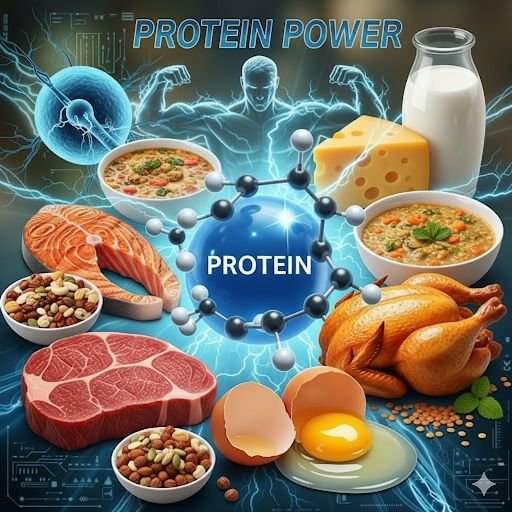
She dove into immune support too, calling it the unsung hero. Seven to nine hours of sleep – non-negotiable, as it lets your body repair and produce those fighter cells. Eat real food: fruits, veggies, proteins, whole grains to fuel it, not just supplements (though she okayed vitamin D if you’re low, common in indoor lifestyles here). Move your body daily – walks, stairs, whatever fits Karachi traffic – because exercise circulates lymph and boosts mood, reducing stress that weakens immunity. Hydrate like it’s your job, limit alcohol and tobacco. She laughed about how patients swear by zinc lozenges at the first sniffle, but evidence is mixed; better to prevent than chase.
3 Simple Health Updates for newly Viruses Protection My Doctor Told Me

I’ve woven this in: phone reminders for handwashing after errands, a bedtime routine that actually sticks now. My kids love the “happy birthday song” timer for 20 seconds at the sink – turns it fun. When a colleague came down with something last week, I skipped the coffee meet and video-called instead. Small, but it adds up. Dr. Ramirez stressed testing early: at-home kits are everywhere now, and knowing if it’s flu means you can get meds within 48 hours for best effect. Stay home at least a day after fever breaks, then mask up for five more if around others. It protects everyone.

What makes this an “update”? Consistency in a world of constant exposure. Pre-pandemic, we washed hands casually; now, with new variants evading some immunity, it’s deliberate. She shared how one family cut illnesses in half by making these non-negotiable. Pitfalls? Forgetting surfaces – wipe doorknobs, phones weekly. Or over-relying on sanitizer alone; soap’s better for grime. In humid weather, dry hands after to avoid cracks. Personally, tracking my sleep with an app showed me how skipping it tanked my energy and probably defenses. Pairing this with air and vaccines? I’ve gone through peak season without a single sick day, while friends complained nonstop.

Looking back at that appointment, these three updates feel less like restrictions and more like smart upgrades to modern life. Vaccines arm you upfront, clean air clears the battlefield, and habits keep your guard strong every day. Dr. Ramirez wrapped up by saying, “Talk to your own doctor – what works for one might tweak for another, especially with local factors like our air quality or diet.” I’ve passed this along to family, and it’s sparked good chats. No one’s claiming zero risk – viruses are clever – but these steps stack the odds way in your favor without paranoia. If you’re reading this and thinking about your routine, start small: book that shot, crack a window tonight, wash up properly after the next outing. Your future self – and the people around you – will thank you. It’s not about fear of new viruses; it’s about quietly outsmarting them, one simple update at a time.


Leave a Reply

Your email address will not be published. Required fields are marked *