Meta Description: Learn how to boost your immune system and its protection against new viruses with these 9 Personal immunity lessons we can draw from updates about our health.
9 Personal Immunity Lessons from Health Updates for Newly Viruses Protection
There are new viruses that come up every year. Some spread fast. Others catch whole nations by surprise. And each time, the same question arises: Why do some people become ill and others do not?
The answer is almost always immunity.
Your immune system is a personal army that lives in your body. It combats bacteria, viruses and other hazardous invaders around the clock. But like any army, it requires appropriate training, supplies and rest to effectively do its job.
Health experts and researchers have had important updates on how modern viruses work — and what we can do to better protect ourselves. These aren’t complicated lab secrets. These are simple lessons, practical lessons that anybody can put into play today.
In this article, we’re going to walk through 9 of the major personal immunity lessons distilled from the latest health updates. Each lesson is clear and actionable, science-backed — written in a way that everyone can understand and apply.
Let’s get into it.
Lesson 1: Your Immune System Doesn’t Go “On” or “Off” — It’s a Continuum
Most people believe that immunity is like a light switch. It’s something you have, or you don’t. But that’s not how it works.
Your immune health is on a continuum. You can be a little bit protected, somewhat protected or very well protected. And that level shifts based on what you eat, how you sleep, how stressed you are and a dozen other things.
What Health Updates Are Saying
Recent health data from the World Health Organization and Centers for Disease Control show that even moderate nutrient deficiencies are associated with blunted immune responses to new viruses. This means that someone who looks healthy on the outside may still have an impaired immune system on the inside.
The takeaway is simple: Don’t wait until you’re sick to start caring about immunity. It’s like exercising — you don’t train the day before a marathon.
What You Can Do
Start tracking the basics. Are you sleeping 7–9 hours? Eating vegetables daily? Drinking enough water? These aren’t simply health tips — they are the basis of your immune spectrum.
Lesson 2: New Viruses Attack Weak Entry Points — So Close Them
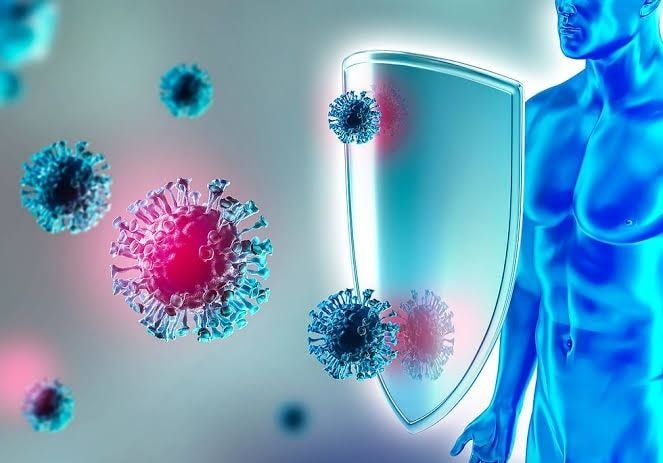
A new virus does not infect a community uniformly. It discovers those whose defenses have holes. These fissures are known as “entry points” — places where your immune defenses are thin or shattered.
Viruses Enter Our Bodies Through Three Main Passageways
| Entry Point | Why It’s Vulnerable | How to Strengthen It |
|---|---|---|
| Nasal Passages | Dry air hinders mucus barrier | Use a humidifier, stay hydrated |
| Gut Lining | Poor diet alters gut flora | Eat fiber and fermented foods |
| Skin & Eyes | Touching your face brings in pathogens | Wash hands, avoid touching your face |
Mucus membranes — the wet linings inside your nose, mouth and lungs — are your first line of defense, health experts say. One of the most underrated immunity strategies is keeping them well.
Practical Steps
Focus on breathing through your nose, not your mouth. Nasal breathing helps filter and warm the air before it gets to your lungs. It also keeps that mucus layer moist and active.
Drink water all day consistently. Even mild dehydration desiccates these protective linings and facilitates entry of viruses.
Lesson 3: Sleep Is Your Immune System’s Repair Mode
This lesson sounds simple. But people continue to miss it every night.
During sleep, your body makes proteins called cytokines. These cytokines assist in coordinating your immune response. They instruct your immune cells where to go and what to combat. When you don’t get enough sleep, your body produces fewer cytokines — and your immune system slows down.
The Numbers Don’t Lie
Several studies all show the same thing: people who get less than 6 hours of sleep per night are 4 times more likely to come down with a virus after exposure compared to someone who gets 7 or more hours.
That’s not a small difference. That’s a huge difference in protection — from sleep alone.
What “Good Sleep” Actually Looks Like
Sleep quality, not just quantity, matters. Here’s a quick breakdown:
- Get to sleep before midnight if you can — your body does its deepest repair work in early cycles of sleep
- Make sure your room is dark and cool — light interrupts melatonin production
- Do not use screens 30 minutes to 1 hour before bed — blue light delays onset of sleep
- Stick to a regular schedule — including on weekends
New virus outbreaks tend to strike hardest at high-stress times when people sleep less. This is not a coincidence.
Lesson 4: Your Gut Contains 70% of Your Immune System — Nourish It
Here’s a stat that surprises most folks: roughly 70% of your immune system resides in your gut.
Your intestines contain billions of bacteria — good and bad. When the good ones are more than the bad, your immune system remains healthy. When that balance tilts — because of antibiotics, poor diet or stress — your immunity plummets.
The Gut-Virus Connection
Recent health news updates about COVID-19 variants, strains of influenza and other new viruses all suggest the same thing: people with healthier gut microbiomes (the community of bacteria in your gut) recovered more quickly and experienced milder symptoms.
For ongoing health news and immunity-related insights, you can visit Daily Health Updates — a reliable resource covering the latest developments in personal and public health.
Foods That Fortify Your Gut Defenses
Probiotic Foods (add good bacteria):
- Yogurt with live cultures
- Kefir
- Kimchi
- Sauerkraut
- Miso
Prebiotic Foods (nourishment for the good bacteria):
- Garlic
- Onions
- Bananas
- Oats
- Asparagus
Make sure to eat at least one probiotic and one prebiotic food each day. It need not be complicated. A bowl of yogurt with a banana does the trick.
Lesson 5: Your Immunity Is Being Subtly Wrecked Every Day by Stress
Stress is invisible. But its impact on your immune system is very real.
When we’re stressed, our body releases a hormone called cortisol. Cortisol is a good thing in small amounts — it helps you respond to danger. But when stress is chronic, cortisol remains elevated for too long.
High cortisol levels:
- Inhibit white blood cell activity
- Decrease antibody production
- Slow your body’s response to new viral threats
Why This Is Important for Protection Against New Viruses
Health research from recent years has shown that people who are under chronic stress have substantially increased susceptibility to becoming infected with new viruses — and more severe symptoms once they become ill.
Stress isn’t just bad for your well-being. It literally leaves the door open for viruses to walk in.
Stress-Busting Strategies Backed by Research
Box Breathing (4-4-4-4 method): Inhale for 4 seconds → Hold for 4 seconds → Exhale for 4 seconds → Hold for 4 seconds. Repeat 4 times. This lowers cortisol within minutes.
Time in Nature: Spending even 20 minutes in a park or green space has been scientifically shown to measurably decrease cortisol levels.
Journaling: Putting pen to paper and writing your problems down for 10 minutes a day lowers psychological stress load and the physical effects of stress on immunity.
Lesson 6: Vitamins D, C and Zinc Are Your Immunity “Big Three”
Not all nutrients are created equal in the fight against viruses. In almost every major health update, three clearly rise to the top: Vitamin D, Vitamin C, and Zinc.
Why These Three Are So Important
Vitamin D: Works like a hormone that activates immune response genes. Most folks — especially those who work indoors — are deficient. Low Vitamin D is also highly correlated with increased risk of viral infection.
Vitamin C: Helps white blood cells perform better. It also functions as an antioxidant that lowers the inflammation attributable to new viral infections.
Zinc: Prevents viruses from replicating in your cells. Even a slight zinc shortfall lowers your defenses against novel viral strains.
Quick Reference Chart
| Nutrient | Daily Recommended Intake | Best Food Sources |
|---|---|---|
| Vitamin D | 600–2000 IU | Sunlight, fatty fish, egg yolks |
| Vitamin C | 65–90 mg | Citrus fruits, bell peppers, broccoli |
| Zinc | 8–11 mg | Meat, shellfish, legumes, seeds |
If you’re not getting enough from food, ask your doctor about supplementation. People who are unable to get sufficient sun exposure may need Vitamin D supplements, particularly in winter.
According to the National Institutes of Health (NIH), Vitamin D plays a critical role in activating immune defenses — making it one of the most studied nutrients in viral protection research.
Lesson 7: Movement Is Medicine — But the Right Type Matters
Exercise boosts immunity. But here’s the thing most people overlook: excess exercise can actually suppress it.
There’s a sweet spot.
The Immune-Exercise Relationship
Moderate exercise — such as a 30-minute brisk walk or light cycling — increases circulation of your immune cells by as much as 70% for a few hours after the workout. That means your body gets better at recognizing and killing viruses during that time window.
But strenuous exercise — such as long-distance marathons or high-intensity daily workouts with no breaks — temporarily reduces immunity. This is why elite athletes are often sick right after major competitions.
What “Moderate” Looks Like for Most People
- 30 minutes of brisk walking, 5 days a week
- Light swimming or yoga
- Cycling at a comfortable pace
- Dancing, hiking, or recreational sports
You don’t need a gym. You don’t need expensive equipment. You want steady movement that raises your heart rate slowly and consistently.
Newly viruses protection health updates have also consistently featured physical activity as one of the top lifestyle contributors that distinguishes people who recover more quickly from others.
Lesson 8: Hydration Is a Big Deal — More Than You Realize
Water is often missing from immunity discussions. But it has a vital behind-the-scenes role in all of the immune work your body does.
How Water Supports Virus Protection
Your lymphatic system — the highway your immune cells travel on — runs on fluid. When there’s not enough water, lymph doesn’t flow well. It takes longer for immune cells to arrive at infection sites. For viruses, that means more time to replicate without any checks.
Water also:
- Aids the kidneys in eliminating toxins that tax the immune system
- Keeps mucus membranes moist (those vital virus entry blockers)
- Transports nutrients to immune cells and removes waste products
How Much Is Enough?
A good rule of thumb: drink half your body weight in ounces of water each day. For instance, if you weigh 150 pounds, shoot for 75 ounces (about 9 cups) a day.
This changes according to activity level, climate and health status. But for the average person, that is a good target.
Signs You’re Not Drinking Enough
- Dark yellow urine
- Dry mouth or throat
- Mysterious fatigue
- Getting sick more often than usual
Make it a glass of water as soon as you wake up. It’s one of the simplest immunity habits you can build.
Lesson 9: Vaccines + Natural Immunity Are Better Together
This is among the most important lessons emerging from recent health updates.
Vaccines train your immune system to identify a virus before it does significant damage. Having natural immunity — developed from past exposure or general immune health — aids your body in responding better and more quickly.
Combined, the layers provide protection that’s more difficult for new viruses to penetrate.
What “Layered Immunity” Looks Like
Immunity is like a castle wall. Vaccines build the outer wall. Healthy living habits construct the inner defenses — the sentinels, the gates, the backup systems. Should the outer wall be breached (a possibility with new mutations of the virus), the inner defenses kick into action.
That is why health experts always recommend both staying up to date on vaccines and maintaining the lifestyle habits discussed in this article.
Staying Informed Matters Too
New viruses evolve. Public health recommendations evolve as we learn more. Staying informed through trusted sources — such as the CDC, WHO or your local health authority — is itself an immunity lesson. It aids you in making better informed decisions about protection before outbreaks come to your community.

Putting All 9 Lessons Together
Let’s sum it all up with a condensed summary.
| Lesson | Core Action |
|---|---|
| 1. Immunity is a spectrum | Make a habit of tracking your day-to-day |
| 2. Seal entry points | Stay hydrated, breathe through your nose |
| 3. Sleep is repair mode | Get 7–9 hours of quality sleep |
| 4. Feed your gut | Eat probiotics and prebiotics every day |
| 5. Manage stress | Use breathing, nature, and journaling |
| 6. Get enough of the Big Three nutrients | Vitamin D, C and Zinc |
| 7. Move moderately | Walk 30 minutes, 5 days a week |
| 8. Stay hydrated | Drink water based on body weight |
| 9. Layer your protection | Combine vaccines with lifestyle habits |
None of these lessons call for perfection. They require consistency.
The Bottom Line: You Build Your Immunity Day by Day, Not Overnight
Let me be honest: there is no single pill, food or trick to save you from the next emerging virus. But nine small, consistent habits — followed together over time — will completely transform your body’s response to threats.
The viruses will keep coming. They always do. What’s different is you — and how primed your immune system is for the next one that comes.
Commit to one lesson this week. Could it be going to bed an hour early? Perhaps it’s incorporating a yogurt into your morning. Maybe it’s going for a 20-minute walk after dinner.
The strongest immune systems in the long run are built by small steps taken every day.
Your body is constantly trying to keep you safe. You could at least work with it.
Frequently Asked Questions (FAQs)
Q1: How can I quickly boost my immunity before an outbreak of a virus? There’s no solution that happens “overnight,” but you can make fast advancements. Taking care of sleep, hydration and reducing stress can significantly improve immune function within just 48–72 hours. Long-term habits are most important, but even short-term changes aid.
Q2: What are the best foods to combat newly viruses? Vitamin C (citrus, bell peppers), Zinc (seeds, legumes, meat) and probiotic-rich items (yogurt, kimchi) top the list of foods that have been most studied for immune support. There is no single “superfood” that is superior to a diverse, whole-foods diet.
Q3: Do we need supplements for better immunity? Not always. If you eat a balanced diet and receive sufficient direct sunlight, it is likely that supplements are unnecessary. But Vitamin D deficiency is so common, many doctors recommend supplementing it — particularly in winter or if you work indoors.
Q4: What do we know about the impact of stress on immunity? Stress hormones elevate cortisol, which depresses the activity of white blood cells and antibody production. This slows down your immune system, reducing its ability to detect and combat new viruses over time.
Q5: Can drinking warm water help fight viruses? Warm water may relieve throat irritation and help loosen mucus — useful when you’re already ill. But it will not kill viruses directly. What really matters is to stay well hydrated with water at any temperature.
Q6: How often should I exercise for the best immune benefit? Try to get at least 30 minutes of moderate activity most days (5 days a week). That level is consistently associated with better immune cell circulation. Exercising without rest will lead to temporary suppression of immunity.
Q7: What about natural remedies like ginger and garlic? Ginger and garlic contain compounds whose properties are anti-inflammatory and antioxidant. They can help boost overall immune health but they aren’t cures or direct treatments for specific viruses. They are at their most effective when integrated into a balanced diet, rather than used as one-off remedies.
Q8: Do the same immunity lessons apply to children? Yes, with age-appropriate adjustments. Children should be getting sufficient sleep (more than adults), a balanced diet, physical activity and age-appropriate immunizations. These core principles come into play for every age group.
Stay consistent. Stay informed. And let your immune system do what it was designed to do — keep you safe.