Most of what you’ve been told about getting older is wrong. Not slightly off. Not “well, it’s complicated.” Actually, factually wrong. And a new study out of Yale University has twelve years of data to back that up. The study, published in March 2026 in the peer-reviewed journal Geriatrics, was led by Dr. Becca R. …
A comprehensive review published in the journal Carcinogenesis in March 2026 concluded something that a lot of researchers had been building toward for years: nicotine vaping is likely to cause lung cancer and oral cancer. Not “may increase risk.” Not “further study is needed before conclusions can be drawn.” Likely. The team, led by researchers …
Something comes up repeatedly in health content written for older adults, and it’s been bothering me for a while. Depression in people over 60 gets described in ways that quietly normalize it. Articles about “seniors facing life changes” or “adjusting to loss” that frame low mood as an expected backdrop to aging rather than as …
Six hours before bedtime feels like a safe buffer. For most regular coffee drinkers, it isn’t. A study published in the Journal of Clinical Sleep Medicine had participants consume caffeine at bedtime, three hours before bed, and six hours before bed. Even the six-hour group showed measurable disruptions to their total sleep time and sleep quality. What …
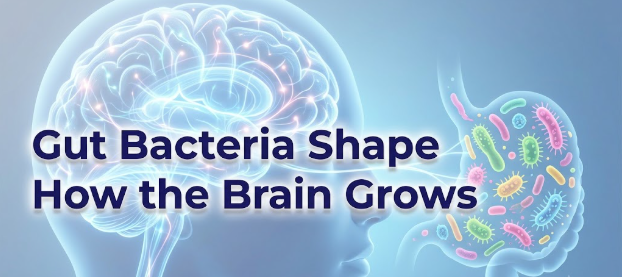
Most people think of gut bacteria as digestive helpers. That’s fair, because that’s how it gets framed almost everywhere: probiotics for bloating, fibre for your bowel, fermented foods for your gut lining. All of that is true. But there’s a much bigger story that doesn’t get nearly enough attention in popular health content. Some of …
A colonoscopy doesn’t give you a 10-year hall pass. That’s the part nobody explains clearly enough in the procedure room. A lot of people walk out of their colonoscopy believing the hard part is over. They had the prep, the procedure, the little nap under sedation, and their doctor said something like “see you in …
The finding stopped me when I first read it. Researchers from Mass General Brigham published data in April 2026 showing that a single blood test could predict which cognitively healthy older adults would later accumulate amyloid plaques in their brains. Not at the same time as a PET scan detected the change. Before it. Before …
A study published in JAMA Neurology followed more than 10,000 adults over roughly eight years and found that people eating the highest amounts of ultra-processed foods experienced cognitive decline 28% faster than those eating the least. Executive function and working memory took the steepest hits. Not general mental slowing across the board. Specific, measurable losses …
There’s a finding in the genetics literature that I kept coming back to when putting this piece together, because I think it changes how most of us understand men’s health risks after midlife. For decades, researchers noticed that Y chromosomes were disappearing from the blood cells of older men. The assumption was that this was …
Something I keep coming back to, after years of reading health research, is how often the gut turns up somewhere unexpected. I was working through a paper on early childhood neurodevelopment not long ago, expecting the usual focus on genetics, prenatal nutrition, and environmental stimulation. And then there it was: a full section describing how …