

A colonoscopy doesn’t give you a 10-year hall pass. That’s the part nobody explains clearly enough in the procedure room.
A lot of people walk out of their colonoscopy believing the hard part is over. They had the prep, the procedure, the little nap under sedation, and their doctor said something like “see you in three years.” And that last part, the three years, gets filed in the back of the brain as “I’m fine for now.” It doesn’t. That’s not what it means. And the gap between what people think that timeline represents and what it actually is, is exactly where colon cancer gets the chance to develop quietly.
Three years is not a resting period. It’s a surveillance window, and what happens inside it matters more than most people realize.
1. The Myth That Gets People Into Trouble
The common belief: if the doctor removed a few polyps and scheduled you for a follow-up, you’ve got plenty of time before you need to think about this again.
The reality: a 3-year colonoscopy interval is assigned specifically because you are at elevated risk for new or recurring polyp growth. The interval itself is a signal, not a clearance.
Here’s how gastrointestinal guidelines actually work. Your follow-up schedule after a colonoscopy is based on what was found and removed during the procedure, not on how you feel afterward. The type, size, and number of polyps determine what the risk is and when you need to go back.
Quick-reference chart: Colonoscopy follow-up intervals by finding
| What was found | Recommended follow-up |
|---|---|
| No polyps at all | 10 years |
| Hyperplastic polyps only (small, non-cancerous) | 10 years |
| 1-2 small tubular adenomas (under 10mm) | 3-5 years |
| 3-4 adenomas, or any with villous features | 3 years |
| 5+ adenomas, or one larger than 10mm | 1-3 years |
| High-grade dysplasia or advanced findings | 1 year |
| Colorectal cancer removed during procedure | 3-6 months |
(Guidelines based on U.S. Multi-Society Task Force recommendations for post-polypectomy surveillance)
So when a doctor says “three years,” they are telling you something specific: adenomas were found and removed, and your colon needs checking again before the 10-year mark because the risk of new growth is real.
Most people don’t hear it that way. Most people hear “see you in three years” and think they have three years of breathing room. That misread is one of the most common errors I see repeated in the health information that circulates about colon cancer.
2. What’s Actually Happening to Your Colon During Those Three Years
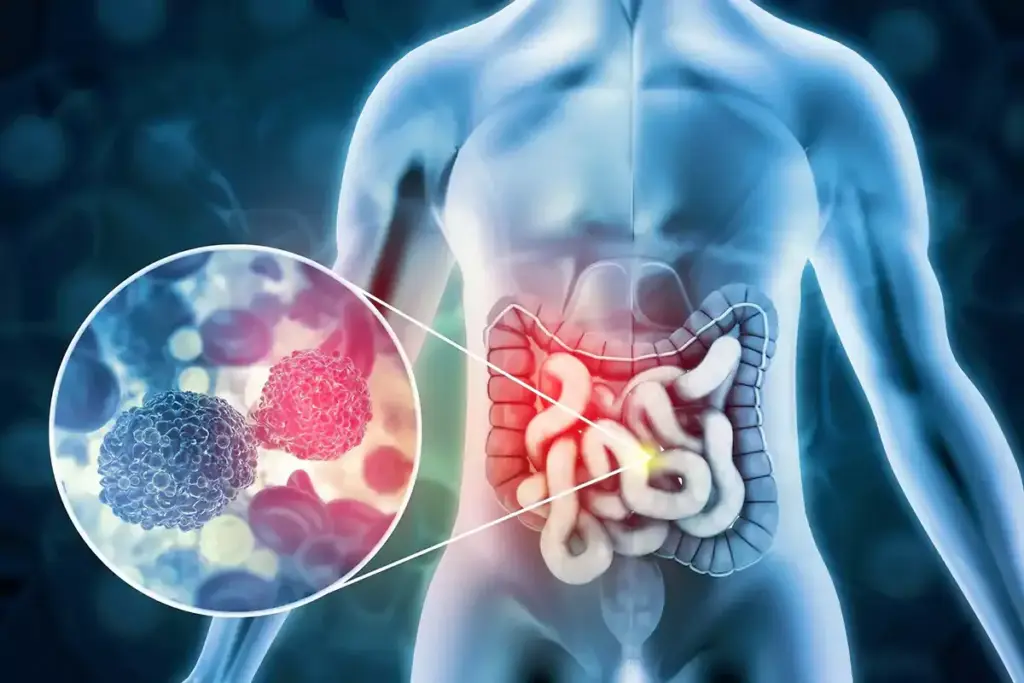
Adenomatous polyps, the kind most linked to colorectal cancer, don’t just disappear once removed. The underlying conditions that allowed them to grow in the first place, including chronic inflammation, dietary patterns, and microbial imbalances, are still present.
Colorectal cancer is the third most commonly diagnosed cancer worldwide and the second leading cause of cancer death in many countries. But it is also one of the most preventable. The reason for that is the polyp-to-cancer timeline. Most colorectal cancers develop from adenomas over a period of 10 to 15 years. That window is what makes surveillance so effective, because catching and removing adenomas before they progress is genuinely protective.
The issue is that after removal, adenoma recurrence rates within 3-5 years can range from 25% to 50%, depending on the original findings and lifestyle factors. In other words, roughly 1 in 3 to 1 in 2 people who had adenomas removed will develop new ones before their next scheduled colonoscopy.
And here’s what makes this more frustrating: new polyps often cause no symptoms at all. No pain, no bleeding, nothing obvious. Which is exactly why silent recurrence is the central risk and why the 3-year interval exists as a checkpoint rather than a rest stop.
Chronic inflammation plays a substantial role here. Persistent low-grade inflammation in the gut lining creates the cellular environment where abnormal tissue growth is more likely to occur. If you want to understand more about how inflammation works systemically and the health risks most people aren’t connecting to it, there’s a useful overview at Daily Health Updates on chronic inflammation and the health warnings most people ignore, which covers more of the background on why this matters even when you feel fine.
3. What the Research Actually Supports for Reducing Risk in Between Screenings
This is where it gets practical. The three years between your last colonoscopy and the next one are not passive time. There is consistent, well-replicated evidence on several modifiable factors that affect polyp recurrence and colorectal cancer risk.
Fiber
This is the one with probably the strongest and most consistent evidence behind it. Dietary fiber, particularly from whole grains, legumes, vegetables, and fruit, has been repeatedly associated with reduced colorectal cancer risk in large observational studies. The mechanisms include faster transit time (less contact between waste and the colon lining), production of short-chain fatty acids from fiber fermentation, and a more favorable gut microbial environment.
Current recommendations suggest 25-38 grams of fiber per day for adults, yet most people eat somewhere between 12-15 grams. The gap is large.
Red and processed meat
The World Health Organization classified processed meat as a Group 1 carcinogen for colorectal cancer in 2015, and red meat as a Group 2A probable carcinogen. This isn’t a controversial finding anymore; it’s reasonably well established. Processed meats like bacon, sausages, hot dogs, and cured meats are the clearest concern.
Reducing these doesn’t mean eliminating all animal protein. It means being specific about what type and how frequently.
Physical activity and body weight
Regular physical activity is associated with 24-38% lower risk of colon cancer in people who are the most active compared to the least. This effect is partly independent of body weight, meaning movement has benefits beyond just maintaining a healthy weight, though maintaining a healthy weight also matters. Visceral adiposity, or abdominal fat, is specifically associated with higher colorectal cancer risk through inflammatory pathways.
Gut microbiome
This is an area where research is moving quickly. Certain microbial communities in the colon appear to be protective, while dysbiotic patterns are associated with higher risk. Interestingly, the gut microbiome is also affected by diet, which is one of the clearest reasons why fiber, fermented foods, and prebiotic-rich foods are getting more attention in colorectal cancer prevention research. If you’re curious about the probiotic and gut health side of this, Daily Health Updates has covered some of the commonly misunderstood territory around gut health and supplementation that’s worth reading alongside this, including a breakdown of probiotic myths vs. facts.
Calcium and vitamin D
Some evidence, though not entirely consistent, suggests that adequate calcium and vitamin D intake may modestly reduce colorectal cancer risk. One large randomized trial (the Women’s Health Initiative) found no significant effect from supplementation alone, but observational data suggests a link at higher dietary levels. This is one where the overall picture is still forming.
Aspirin
This one comes up a lot and is worth addressing directly. Long-term low-dose aspirin use is associated with reduced colorectal cancer risk, and some guidelines include it as a chemopreventive option for people at elevated risk. But aspirin has real bleeding risks, and this is not something to start without talking to a physician who knows your specific profile.
4. Where People Go Wrong After Getting the All-Clear
The most common mistake is treating the colonoscopy as the whole intervention rather than one part of an ongoing process.
The second most common mistake is letting the lifestyle habits slide. Someone prepares for a colonoscopy, they’re a bit anxious about it, they eat reasonably well in the weeks before, and then the procedure comes back with manageable findings and they feel relief. That relief is real, but it sometimes functions as permission to stop paying attention, and that’s exactly backward from what the situation calls for.
The third mistake, and one I see come up repeatedly in health content and patient accounts, is missing symptoms between screenings. Rectal bleeding often gets dismissed as hemorrhoids. Changes in bowel habits get attributed to stress or travel. Iron deficiency anemia, which can result from slow colon bleeding, is sometimes treated on its own without any investigation into the source. These are warning signs that warrant investigation, not explanations.
One thing that also gets overlooked: rebuilding gut health after any procedure or illness, colonoscopy prep included, takes a bit of intentional effort. The bowel prep required before a colonoscopy significantly disrupts the gut microbiome. For background on what’s possible in terms of recovering the microbiome afterward, there’s a relevant piece on Daily Health Updates about rebuilding gut health after illness that covers some of what the research says about recovery time and what actually helps.
And then there’s the habits side of things. Exercise, sleep, reducing processed food, managing chronic inflammation. These aren’t abstract wellness recommendations; they are the actual levers that affect polyp recurrence risk in the years between screenings. If you’re wondering which of these has the most evidence behind it, the health and wellness habits that actual research supports page is worth bookmarking for this specific reason.
Closing
The three years between a surveillance colonoscopy and a follow-up aren’t dead time. They’re the period when the conditions that allowed polyp growth either improve or don’t. Whether new adenomas form during that window is not entirely outside of your control, and that’s actually the useful news here.
Getting the colonoscopy done is necessary. What you do between appointments is what determines whether the next one finds something or doesn’t.
Frequently Asked Questions
Q: I had one small adenoma removed. Do I really need to come back in 3 years, not 5 or 10?
It depends on several factors, including the exact size, type, and number. One small tubular adenoma under 10mm typically falls in the 3-5 year range, but your gastroenterologist’s recommendation is based on their specific findings from your procedure report, not general categories. Ask them directly what type of adenoma it was and why that particular interval was chosen. You’re entitled to that explanation.
Q: Can diet changes actually prevent polyps from coming back?
Not guaranteed prevention, but significant risk reduction. Studies on high-fiber dietary patterns consistently show lower rates of adenoma recurrence compared to low-fiber patterns. Reducing processed meat and maintaining physical activity also reduce risk. These are probably the three most evidence-backed changes for this specific purpose.
Q: Is there a connection between the gut microbiome and colon cancer?
Yes, and the research here is expanding quickly. Certain bacterial species are found in higher concentrations in people with colorectal cancer, while others appear protective. Fusobacterium nucleatum in particular has been consistently identified in colorectal tumors. How much of this is causal versus correlational is still being worked out, but the relationship is real and influencing how researchers think about colon cancer prevention.
Q: What symptoms should prompt me to contact my doctor before the 3-year follow-up is due?
Rectal bleeding (even if you think it’s hemorrhoids), blood in stool, unexplained changes in bowel habits lasting more than a few weeks, persistent abdominal pain, unintentional weight loss, and fatigue that doesn’t resolve. Any of these warrant a conversation with your doctor rather than waiting for the scheduled colonoscopy.
Q: Does alcohol affect colon cancer risk?
Yes. Alcohol consumption is classified as a Group 1 carcinogen for colorectal cancer by the IARC (International Agency for Research on Cancer). The risk increases with amount consumed, but there is no established safe threshold for colorectal cancer risk specifically. Reducing or eliminating alcohol consumption is one of the clearer modifiable risk factors in this area.