
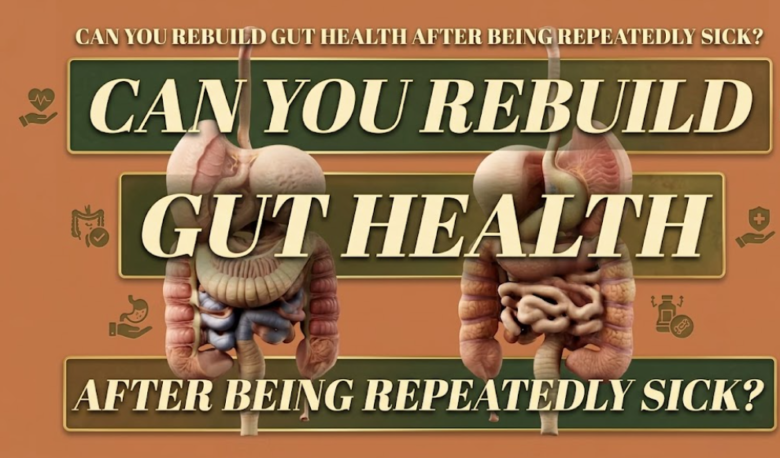
Your gut doesn’t get a memo when the fever breaks. People tend to think of being sick as something that starts and ends cleanly, you feel bad for a few days, then you’re “better,” and everything resets. The gut doesn’t work on that timeline, and if you’ve been through a rough stretch of back-to-back colds, flu, or stomach bugs, there’s a decent chance your digestion has been quietly off for weeks without you connecting the dots.
1. What Repeated Illness Actually Does Down There
Every time you get sick, especially with anything involving fever, a course of antibiotics, or a stomach virus, your gut microbiome takes a hit. The balance of bacteria shifts. Some populations get wiped out faster than others, and the ones that recover quickest aren’t always the ones you want dominating.
One round of this is usually fine. The gut is resilient, and most people bounce back within a couple of weeks without doing anything special. The problem is stacking. If you get sick again before that recovery finishes, and then again, the gut never fully resets between hits. Over a winter of repeated illness, that adds up to a microbiome that’s been knocked sideways three or four times without ever getting back to baseline.
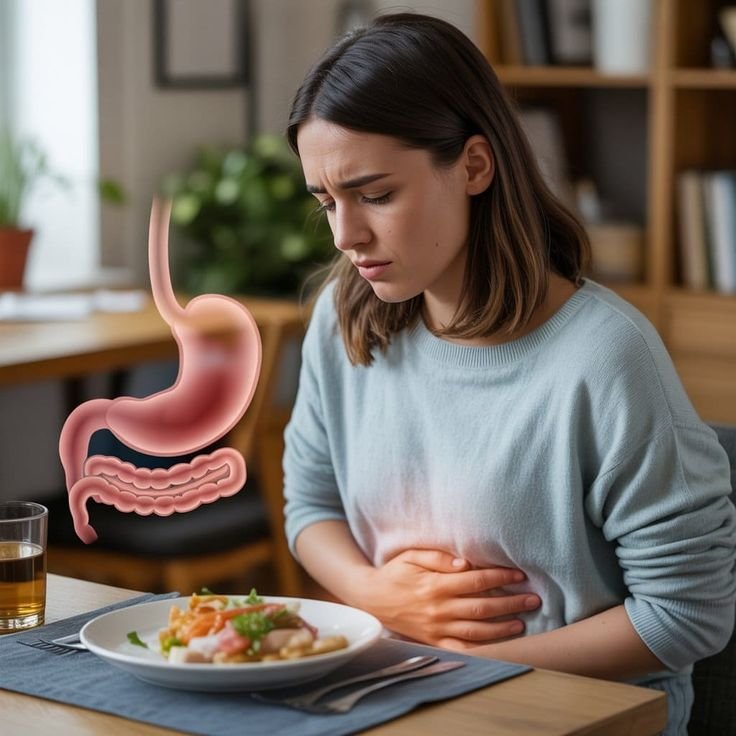
This is part of why people often notice digestive changes that outlast the actual illness. Bloating that wasn’t there before, looser stools, appetite that takes a while to return to normal. It’s not in your head, and it’s not usually anything serious on its own, but it is a sign the gut is still working through the aftermath.
2. The Mistake of Treating Each Illness as a Separate Event
Here’s where a lot of people go wrong, and it’s an easy mistake to make because it seems logical. You get sick, you recover, you move on, and you treat the next illness a few weeks later as a totally unrelated thing. But your gut doesn’t see it that way. If it’s still rebuilding from round one when round two hits, the disruption compounds.

This matters most for anyone who’s had multiple courses of antibiotics in a short window, which happens more often than people realize, especially with kids who pick up one infection after another during school terms. Each course does its job against the infection, but it also resets the gut microbiome in ways that take time to recover from, and “time” here is measured in weeks, not days.
If you’ve been wondering why you’re catching things more easily lately, it’s worth reading the early signs your immune system is weaker than you realize, because gut health and immune resilience are tied together more closely than most people assume. A gut that’s still recovering isn’t doing its usual share of the immune workload, which can make the next bug land harder than it otherwise would.
3. What Actually Helps It Bounce Back
The good news is that rebuilding gut health after repeated illness doesn’t require anything dramatic. It mostly comes down to giving your gut the raw materials it needs and not interrupting the process with more disruption before it’s done.
Fiber from a wide variety of plant sources matters more than almost anything else here. Not one “superfood,” but variety, different vegetables, legumes, whole grains, because different fiber types feed different bacterial populations. Fermented foods like yogurt, kefir, sauerkraut, or kimchi can help reintroduce some of the bacterial diversity that gets lost during illness, though they’re a support, not a fix on their own.
Sleep matters too, and this is one of those places where the body’s systems overlap more than people expect. Gut repair happens disproportionately during deep sleep, so the same poor sleep that’s dragging down your immune system is also slowing down your gut recovery. We’ve covered the recovery side of this in more detail in our piece on foods that work better than supplements during recovery, which is worth a look if you’re trying to figure out what to actually put on your plate during this stretch.
And one more thing people get wrong constantly: jumping straight to a high-dose probiotic supplement the moment they feel off. Probiotics have their place, but flooding an already-disrupted gut with a concentrated dose of a few specific strains isn’t the same as rebuilding diversity. Sometimes it helps. Sometimes it just adds more noise to a system that’s trying to find its own balance again.
4. A Realistic Recovery Timeline
People want a number, so here’s a rough one, based on how this typically plays out rather than a worst-case or best-case scenario.
| Time Since Last Illness | What’s Usually Happening |
|---|---|
| Days 1-3 | Acute symptoms fading, gut still inflamed, appetite often reduced |
| Week 1-2 | Digestion starts normalizing, but microbiome diversity is still low |
| Week 3-4 | Most people feel “back to normal,” though gut bacteria are still rebalancing |
| Weeks 4-8 | Full microbiome recovery for most healthy adults, assuming no further disruption |
| 8+ weeks with repeated illness | Recovery resets each time, extending the whole window |
That last row is the one that catches people. If illness keeps showing up before week 8, the gut is essentially always in some stage of recovery, which is part of why people who’ve had a rough few months sometimes feel like their digestion “just hasn’t been right” without any single obvious cause.
5. When It’s More Than Just Recovery
Most of the time, gut symptoms after repeated illness are exactly what they look like, a system that’s still catching up. But there are signs that warrant more than patience. Persistent diarrhea lasting more than two weeks, unintentional weight loss, blood in stool, or symptoms that keep getting worse instead of gradually improving aren’t things to wait out.
If you’re dealing with lingering issues after a specific illness rather than a general “been sick a lot” pattern, this breakdown of common recovery mistakes covers some of the more specific scenarios, including ones that look like ongoing gut trouble but are actually something else entirely. At Daily Health Updates, this is one of the questions we get asked most after cold and flu season, usually some version of “is this normal or should I be worried.”
Frequently Asked Questions
How do I know if my digestive issues are from being sick or something else? Timing is the biggest clue. If symptoms started during or right after an illness and have been gradually improving, even slowly, that points toward recovery. If they’re getting worse over time, started without any illness, or have lasted well beyond eight weeks with no improvement, that’s worth checking with a doctor rather than assuming it’s still recovery.
Do I need to take probiotics to rebuild gut health? Not necessarily. Diet diversity does most of the heavy lifting for most people. Probiotics can help in specific situations, like after a course of antibiotics, but they’re not required for a healthy gut to recover on its own given time and decent food.
Why does this keep happening every winter? For a lot of people, it’s the stacking effect described above. One illness recovers mostly, then another hits before the gut fully resets, and the cycle repeats through the season. Breaking the cycle usually means focusing on the basics that reduce how often you get sick in the first place, not just managing recovery after the fact.
Can stress make gut recovery slower even after the illness is gone? Yes, and this gets overlooked a lot. Chronic stress affects gut motility and the same bacterial balance that illness disrupts, so a stressful period layered on top of recovery can stretch out the timeline noticeably.
Is it normal for my appetite to stay off for a while after being sick? A reduced or changed appetite for one to two weeks after illness is common and usually nothing to worry about. If it persists much longer than that, or comes with significant weight loss, it’s worth mentioning to a doctor.
There’s no shortcut that compresses an eight-week process into eight days, no matter what the label on a supplement bottle promises. The gut got knocked around because the body was fighting something off, and it needs roughly the same amount of unhurried time to put itself back together. For anyone dealing with the fatigue side of this rather than just the digestive side, this look at how long post-viral tiredness really lasts covers the other half of the same recovery picture.