
A physician I was researching for a project told me something offhand that I haven’t stopped thinking about. She mentioned she hadn’t missed her morning light routine in nearly three years. Not sunrise yoga, not a scenic walk. Just ten minutes outside, no sunglasses, before touching her phone. She said it like it was obvious. When I asked why she didn’t bring it up with patients, she said, “They’d think I was being eccentric.”
That stuck with me.
Because the gap between what health professionals actually practice and what gets communicated in a fifteen-minute appointment is larger than most people realize. The habits that make it into the conversation tend to be the ones that fit neatly onto a pamphlet. The ones that require a few extra minutes to explain, or that seem almost too straightforward to take seriously, tend to get left out.
So I started paying attention to the other list. And here’s what keeps showing up.
1. Getting Outside Before Getting Online
Most people have heard that circadian rhythm is important. What’s less commonly discussed is the cortisol awakening response (CAR): a programmed cortisol spike that occurs in the 20-30 minutes after waking. This isn’t the chronic stress cortisol people spend energy worrying about. This is a scheduled, beneficial burst that primes the immune system, activates alertness, and sets up inflammatory regulation for the entire rest of the day.
Outdoor light during or shortly after this window amplifies the CAR. On a clear morning outside, light intensity ranges from approximately 10,000 to 100,000 lux. Indoor lighting, including “daylight” bulbs, tops out around 200-500 lux. The difference matters because the photoreceptors in the retina that communicate directly with the suprachiasmatic nucleus (the brain’s master circadian clock) are sensitive to intensity in a way that indoor light simply can’t replicate.
This is why sleep researchers and chronobiologists are often very deliberate about morning outdoor time. Not for fresh air, though that helps. For the timed light signal.
The common mistake: people assume bright lamps or sunrise-simulating alarm clocks deliver the same circadian signal. They’re useful. They aren’t equivalent to outdoor light during that specific window. Ten minutes outside before your first screen interaction is working with your biology in a way that a lamp cannot fully substitute.
If you’ve been underestimating how deeply this connects to immune function, the Daily Health Updates Org piece on whether poor sleep actually destroys your immune defense looks at circadian disruption and immune vulnerability from another angle worth reading.
2. Nasal Breathing During Exercise, Not Just During Yoga
Nasal breathing tends to get discussed in the context of meditation, sleep, or breathwork. What gets far less attention is what happens physiologically when you breathe through your nose during moderate exercise, and why some sports medicine physicians and respiratory researchers practice this deliberately.
The nose produces nitric oxide (NO), a molecule that helps dilate blood vessels, improves oxygen delivery to working muscles, and has documented antiviral and antibacterial properties within the respiratory tract itself. Mouth breathing bypasses this entirely. And during exercise, when you’re pulling in more air volume, bypassing the nasal system means pathogens and allergens have a shorter, unfiltered path to the lungs.
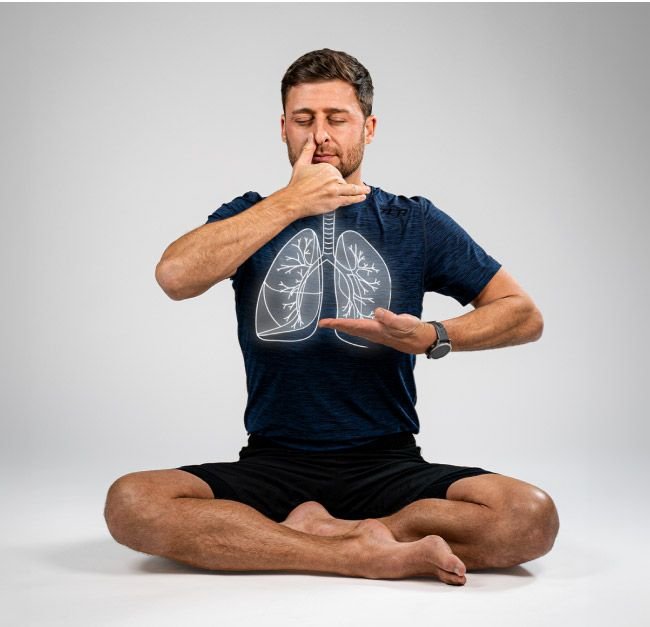
There’s also something called the Bohr effect at play here. Nasal breathing during low-to-moderate effort keeps CO2 levels slightly higher than mouth breathing does. Counterintuitively, slightly elevated CO2 makes it easier for red blood cells to release oxygen to tissues. So breathing in more air via the mouth doesn’t automatically mean your muscles receive more usable oxygen. The relationship between CO2 and oxygen delivery is more nuanced than the “more air in = more oxygen available” assumption most people carry.
For most people, nasal breathing during exercise feels genuinely uncomfortable at first, especially above a casual walk pace. The adaptation period is roughly two to four weeks. But researchers studying respiratory function and athletic performance have associated it with better aerobic efficiency at lower heart rates and reduced rates of exercise-induced bronchoconstriction.
This is a habit with a real physiological basis. It just doesn’t come up during standard appointments because it requires behavioral adjustment over weeks, and there’s no prescription attached.
3. Fermented Foods as a Daily Non-Negotiable, Not a Supplement Backup
A lot of physicians and dietitians I’ve read about or spoken with keep fermented foods in their daily routine, quietly, while simultaneously finding the specific probiotic supplement conversation harder to have with patients. Part of the reason is that the evidence for specific probiotic strains at specific doses for specific conditions is genuinely complicated and often inconsistent. The evidence for fermented foods as a dietary pattern is more consistent.
A 2021 study published in Cell (Wastyk et al.) assigned participants to either a high-fermented-food diet or a high-fiber diet for ten weeks. The fermented food group, eating things like yogurt with live cultures, kefir, kimchi, fermented vegetables, and kombucha, showed significant increases in microbiome diversity and significant reductions in 19 inflammatory proteins. The high-fiber group did not show the same inflammatory benefits, despite fiber having its own well-established microbiome effects.
The key is diversity. Fermented foods don’t deliver one strain in enormous quantity the way a supplement does. They deliver dozens of live organisms in smaller amounts, alongside prebiotics, organic acids, and bioactive peptides that support the gut environment those organisms need. It’s a more complex signal, and the microbiome appears to respond to that complexity.
Where people tend to go wrong here: they buy expensive multi-strain probiotic capsules and skip the $4 jar of raw kimchi. I’m not saying supplements are useless. Certain strains have strong evidence for specific applications, and that’s worth knowing. But as a daily baseline? The fermented food category has more consistent population-level data and more research backing it up at the dietary pattern level.
What counts: yogurt with live and active cultures (check the label), kefir, raw unpasteurized sauerkraut or kimchi (not the shelf-stable pasteurized kind), kombucha, and some aged cheeses. Anything that’s been heated after fermentation has lost its live culture benefit, though it retains other nutritional value.
4. Resting Heart Rate as a Morning Vital Sign
Physicians monitor their own resting heart rate far more regularly than they tend to ask patients to do the same. Not because the metric is complicated, but because it’s a surprisingly sensitive, early signal of what’s happening systemically.
Resting heart rate (RHR) reflects autonomic nervous system balance. Specifically, a lower RHR generally indicates higher vagal tone, meaning the parasympathetic nervous system is well-represented in cardiac regulation. This is associated with better stress resilience, stronger immune function, and cardiovascular efficiency. Average adult RHR sits between 60-80 bpm, but the more important thing is the trend over time, not the absolute number.
Here’s what most people don’t know: resting heart rate rises before you feel sick. Often by 12-24 hours. It also rises with psychological stress, overtraining, inadequate sleep, and early infection. Checking it every morning, before getting out of bed, with a basic fitness tracker or by counting manually for 30 seconds gives you a trend line. That trend line is information.
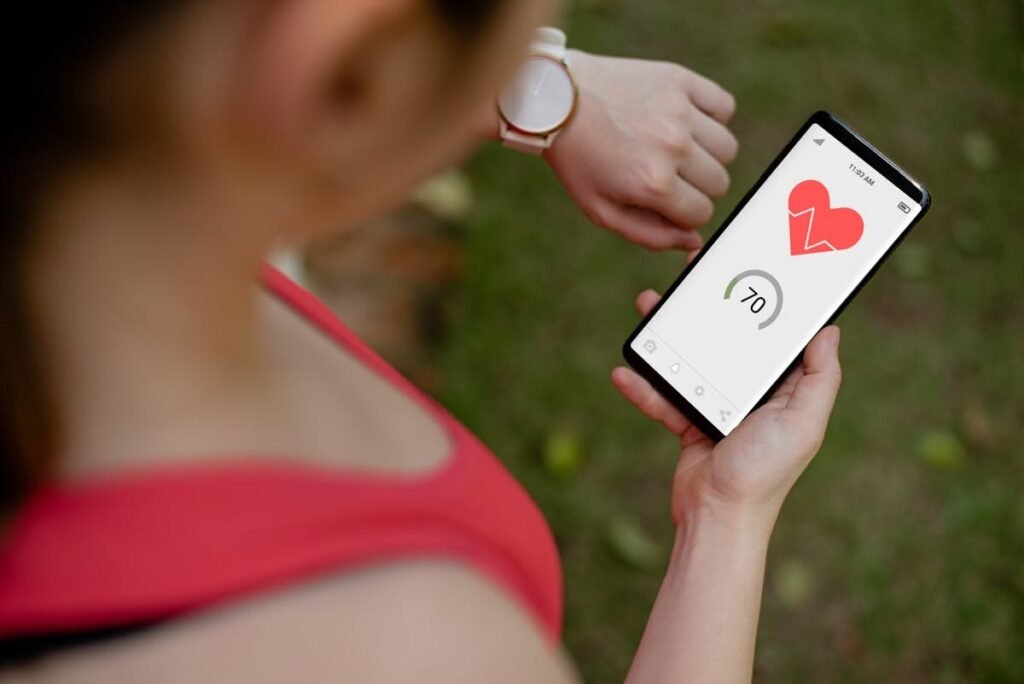
A spike of 5-7 bpm above your personal baseline is worth taking seriously. Physicians who track this in themselves often use it as an early warning to scale back training intensity, prioritize sleep, and take extra precautions around virus exposure. The team at Daily Health Updates Org has covered this kind of early immune signaling, and the article on signs your immune system may be weaker than you realize connects several of these indicators in a way that’s practically useful.
The barrier to entry here is essentially zero. Thirty seconds, free, every morning. The data becomes more meaningful the longer you track it.
Quick-Reference Chart: The 6 Habits at a Glance
| Habit | Primary Benefit | Time Required | Cost |
|---|---|---|---|
| Morning light exposure | Circadian regulation, immune priming | 10 min/day | Free |
| Nasal breathing (exercise) | Nitric oxide production, O2 efficiency | Ongoing behavior shift | Free |
| Daily fermented foods | Microbiome diversity, lower inflammation | 5 min/day | Low (~$3-5/week) |
| Resting heart rate check | Autonomic balance, early illness detection | 30 sec/day | Free or ~$30 tracker |
| Deliberate cognitive rest | Nervous system recovery, memory processing | 10-15 min/day | Free |
| Vitamin D level testing | Accurate immune support, deficiency prevention | Quarterly or biannual | Lab cost |
5. Doing Nothing on Purpose
This one surprises people when I explain it because it sounds like a recommendation for rest, which is already well-covered ground. But the specific distinction matters.
Deliberate cognitive rest means time without any input: no podcast, no scrolling, no background TV, no music. Sitting. Walking without earbuds. Lying down with your eyes open and nothing playing. This activates what neuroscientists call the default mode network (DMN), a specific brain state that does not activate during passive entertainment consumption.
The DMN is involved in memory consolidation, emotional regulation, creative problem-solving, and processing of social information. It’s active when the mind wanders freely. It’s not active when the mind is absorbing content, even content that feels passive. And the evidence connecting DMN activation to mental recovery and long-term brain health is fairly strong in the cognitive neuroscience literature.
This is different from sleep, though sleep is when a lot of the same processing happens in a more structured way. The daytime version, even just ten minutes of quiet inactivity, acts as a kind of processing window. It’s something researchers who study cognitive performance and burnout often protect deliberately, and it’s increasingly rare.
The problem is that most people have eliminated these gaps entirely. Waiting in line, sitting at a traffic light, eating alone: these used to be DMN moments. They’re now content consumption moments. The cumulative loss of that unstructured processing time is worth noticing, because the research on chronic mental overload and physiological stress is not subtle.
And this connects to something that Daily Health Updates Org has explored in depth, specifically whether chronic stress alone can make you more vulnerable to viruses. If you haven’t seen that piece, the answer might actually shift how you think about “downtime.”
6. Testing Vitamin D Levels Instead of Just Assuming the Supplement Is Working
This is the habit that I find myself wanting to talk about most, because the fix is so straightforward and the gap is so large.
The vast majority of people who take vitamin D supplements have no idea what their serum 25-hydroxyvitamin D (25(OH)D) level actually is. They’re supplementing based on a general recommendation, often 1000-2000 IU daily, without any knowledge of whether that dose is moving their level into a meaningful range.
Here’s the problem. Vitamin D is fat-soluble, which means absorption varies based on gut health, body composition, the fat content of what you eat it with, baseline deficiency status, and even skin tone (which affects dermal synthesis). Two people can take identical 2000 IU doses for six months and end up at completely different blood levels. One might land at 45 ng/mL. The other might still be at 18 ng/mL, which falls in the deficient range by most definitions.
Physicians who pay real attention to their own vitamin D don’t supplement and assume. They test 25(OH)D in late autumn, when levels are typically at their seasonal low. They adjust the dose based on the result. They retest 8-12 weeks later. Target range for immune function is generally cited as 40-60 ng/mL among practitioners focused on immune support, though the standard clinical sufficiency threshold of 20 ng/mL is actively debated in the literature.
A 2017 meta-analysis published in the BMJ (Martineau et al.), which pooled data from 25 randomized controlled trials involving nearly 11,000 participants, found that vitamin D supplementation significantly reduced the risk of acute respiratory tract infections. The benefit was greatest in individuals who were deficient at baseline. That last point matters: you can’t know if you’re deficient without testing.
Testing twice a year is a reasonable minimum if you live somewhere with limited winter sun. Quarterly is better. The Daily Health Updates Org article on vitamin D deficiency and its impact on winter illness goes into the practical details of this, including what the seasonal variation in levels typically looks like.
This is not complicated. It requires slightly more effort than taking a pill and hoping. Given what the research shows about vitamin D’s role in respiratory immune defense, the difference between an adequate and a deficient level is not trivial, and it’s fixable.
None of these are exotic. Morning light, nasal breathing, fermented foods, resting heart rate, quiet time, and actually checking your vitamin D level. They all share something: they require a bit more explanation than a standard appointment allows, and none of them have a prescription attached. That, and maybe the fact that when you list them out plainly, they sound almost too simple to be doing much.
Which is, usually, a sign worth paying attention to.
FAQs
Is there a specific time window for morning light to actually affect circadian rhythm?
Yes. The ideal window is within the first hour of waking, when the cortisol awakening response is still active. Outdoor light during this window delivers the strongest circadian signal to the suprachiasmatic nucleus. After about 90-120 minutes post-waking, the photoreceptor response to this specific signal diminishes noticeably. Morning light still has mood and alertness benefits later in the morning, but the circadian timing effect is most pronounced early.
How do I distinguish an elevated resting heart rate caused by stress from one caused by early illness?
Physiologically, the autonomic signal is similar in both cases, because both stress and immune activation trigger sympathetic nervous system activity. The practical takeaway is that the appropriate response is the same either way: prioritize sleep, reduce training intensity, and reduce viral exposure risk. Tracking the trend over multiple days will also clarify which direction your RHR is moving, which matters more than the single-day number.
Can I get the nasal breathing benefits if I have chronic nasal congestion?
Chronic congestion does interfere with nitric oxide production and the filtration benefits of nasal breathing. It’s worth addressing the underlying cause, whether that’s allergies, anatomical factors, or chronic inflammation, partly because nasal nitric oxide production is one of the respiratory tract’s primary antimicrobial mechanisms. Daily saline nasal rinsing improves function for a significant number of people with chronic congestion and is well-supported in the ENT literature.
What exactly counts as a fermented food for microbiome purposes?
The relevant qualifier is that the food contains live cultures at the time you eat it. This includes yogurt labeled “live and active cultures,” kefir, raw (refrigerated, unpasteurized) sauerkraut and kimchi, kombucha, and certain aged cheeses like gouda and cheddar. Shelf-stable sauerkraut in a can has been pasteurized; the heat process eliminates live cultures, so it no longer delivers the microbiome benefit. Fermented foods that are cooked after fermentation, like sourdough bread or tempeh in a stir-fry, lose their live culture content but retain other nutritional value.
Is the standard clinical threshold for vitamin D sufficiency adequate for immune function specifically?
This is genuinely debated. The clinical threshold of 20 ng/mL (50 nmol/L) is defined as sufficient for bone health, but several researchers argue it’s too low when immune function is the target outcome. The Martineau et al. meta-analysis mentioned above found the greatest reduction in respiratory infection risk among individuals who were deficient at baseline, which implies that moving from deficiency to sufficiency matters more than any dose alone. Many practitioners working with immune health target 40-60 ng/mL. Testing remains the only way to know where you actually stand.
This article is intended for informational purposes only and does not constitute medical advice. Discuss any changes to your supplement routine or health practices with a qualified healthcare provider.