

A 2018 paper published in the European Journal of Epidemiology followed over 2,200 Finnish men for up to 25 years. Among many health markers they tracked was one that surprised me when I first read it: sauna frequency. Men who used a sauna four to seven times per week had significantly lower rates of pneumonia and other respiratory conditions compared to those who went once weekly or less. It wasn’t a small difference. It was consistent, it was dose-related, and the effect held up even after adjusting for cardiovascular fitness and other confounders.
Most wellness conversations about saunas land on relaxation, muscle recovery, stress reduction. Almost none of them land on respiratory immune defense. That gap is worth understanding.
What, exactly, is happening inside the body during repeated sauna exposure that could produce that kind of outcome? That’s what I’ve been digging into, and the answer is more specific than most people expect.
1. What the Finnish Practice Actually Looks Like
Finland has roughly 3.3 million saunas for a population of approximately five million people. This didn’t emerge from a wellness trend. The sauna has been part of Finnish daily life for at least 2,000 years, used originally for bathing, for recovering from physical labor, and in some historical accounts, as a space for healing. The practice predates the modern health industry by a very long stretch.
Traditional Finnish sauna use involves dry heat at 80 to 100°C (176 to 212°F), sessions of roughly 15 to 20 minutes, and almost always a cold contrast: a cold shower, outdoor air exposure, or in winter, a roll in the snow. Then back into the heat. Multiple rounds, often two to four. The cycle of extreme heat followed by rapid cooling is the central feature of the practice, not just an optional add-on.
This is relevant to the immune story because the contrast cycling is not simply about comfort or cultural tradition. It’s a physiological pattern that alternately activates very different systems, and the immune effects appear to come from that cycling rather than from passive heat exposure alone.
2. The Myth About What Saunas Are Actually Doing
Here’s the belief that most people carry into this topic: saunas are a relaxation tool, and the health benefits are secondary effects of reduced stress. Less stress means better immunity. That part is real, but it’s not the whole explanation, and it leads people to use saunas in a way that misses the more specific mechanisms.
The other version of this myth, and the one that gets more attention in popular wellness spaces, is the “detox through sweat” idea. The claim is that sweating removes toxins and that’s why saunas improve health. This doesn’t hold up. The kidneys and liver handle detoxification. Sweat is primarily a thermoregulatory mechanism. Perspiring heavily in a sauna moves water and electrolytes out of the body; it doesn’t meaningfully remove metabolic waste products that the liver and kidneys handle.
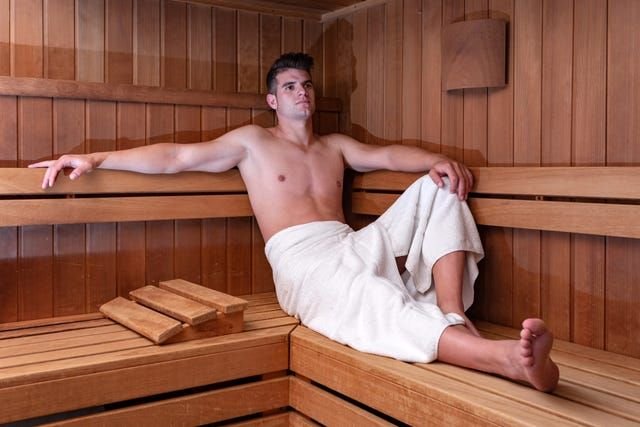
And the problem with believing the detox narrative is that it misdirects attention. If you think the benefit comes from sweating enough, you focus on the wrong variable. You might go once a month and sweat profusely and feel like you’ve done something, when the research actually points to frequency and consistency as the variables that matter. One intense session isn’t the same as regular, repeated sessions over months.
What’s actually happening involves something that sounds more like biology and less like wellness marketing.
3. Heat Shock Proteins, White Blood Cells, and the Fever Analogy
When core body temperature rises substantially, whether during a genuine fever or during deliberate heat exposure, the body activates a cellular stress response. A group of proteins called heat shock proteins (HSPs) are produced in response. HSP70 is one of the most well-studied. These proteins act as molecular chaperones: they help other proteins fold correctly, protect cells from heat damage, and importantly, play active roles in immune cell function, including the activation and signaling of certain immune cells.
What I find genuinely interesting here is the parallel to fever physiology. Fever isn’t a malfunction of the immune system. It’s a strategy. Elevated body temperature inhibits the replication of many pathogens, activates white blood cell function, and triggers that same heat shock protein response. A sauna, in this framing, is a controlled, voluntary approximation of the thermal conditions the body creates when it’s fighting an infection.
On white blood cells specifically: a 2017 study published in Complementary Medicine Research found increases in leukocytes, specifically lymphocytes and neutrophils, following sauna sessions in regular users compared to non-users. Neutrophils are front-line responders to bacterial and viral threats. Lymphocytes include T cells and B cells, the adaptive immune cells that generate targeted responses and immune memory.
The concept that connects all of this is hormesis. A moderate, controlled stressor applied consistently can trigger adaptive responses that improve resilience over time. The immune system responds to this kind of training. You see it with physical exercise, with intermittent cold exposure, and with the thermal stress of regular sauna use. None of these are about eliminating the stressor. They’re about repeated exposure, recovery, and the adaptations that accumulate from that cycle.
This connects to something Daily Health Updates Org has covered on the relationship between stress and viral susceptibility: the distinction between acute, recoverable stressors that may actually stimulate immune activity, and chronic, unresolved stress that suppresses it. Regular sauna sessions sit clearly in the first category.
How Finnish Sauna Variables Compare on Immune Significance
SAUNA VARIABLE     | COMMON ASSUMPTION           | WHAT RESEARCH SUGGESTS
-------------------|-----------------------------|---------------------------------
Temperature        | Hotter = more benefit       | 80-100°C appears to be the
                   |                             | effective range; temperatures
                   |                             | beyond this increase heat
                   |                             | stress risk without additional
                   |                             | immune benefit
-------------------|-----------------------------|---------------------------------
Session length     | Longer sessions are better  | 15-20 min per round, 2-4
                   |                             | rounds; sessions past 30 min
                   |                             | add physiological strain
                   |                             | without proportional benefit
-------------------|-----------------------------|---------------------------------
Frequency          | Occasional use is fine      | 2-3x/week minimum to see
                   |                             | consistent immune effect;
                   |                             | 4-7x/week linked to lowest
                   |                             | respiratory illness rates in
                   |                             | long-term Finnish cohort data
-------------------|-----------------------------|---------------------------------
Cold contrast      | Optional comfort feature    | Cold exposure activates
                   |                             | separate thermogenic and
                   |                             | immune pathways; appears
                   |                             | additive to heat-alone effects
-------------------|-----------------------------|---------------------------------
Hydration          | Drink water after           | Before and between rounds;
                   |                             | dehydration impairs post-
                   |                             | session immune cell changes
4. Frequency Is What Decides Whether This Does Anything
Back to that 2018 study. The dose-response relationship is the part that doesn’t get enough attention. The men who saw the strongest respiratory health benefits weren’t just sauna users. They were frequent sauna users. The highest benefit group used a sauna four to seven times per week, and the benefit was clearly lower in the twice-weekly group, and lower again in the once-weekly group.
This pattern shows up consistently in immune research regardless of the habit in question. Whether it’s physical activity, consistent sleep, or any other practice that touches immune function, the effect is rarely found in occasional exposure. It accumulates. That’s the actual lesson from the Finnish data: the people who benefit most are the people for whom sauna use is a daily or near-daily habit, not a monthly treat.
The cold contrast is worth its own mention here. Traditional Finnish sauna use nearly always includes it, and the immune and cardiovascular effects of cold water immersion are distinct from those of heat. When you cycle between heat-induced vasodilation and cold-induced vasoconstriction, repeatedly, the cardiovascular and autonomic systems are both being trained in ways that appear to support immune resilience. The combination may be part of why Finnish sauna data looks the way it does, compared to studies of heat-only exposure.
One thing saunas don’t address: nutritional deficiencies that directly impair immune cell function. Vitamin D deficiency, which is common in Northern European populations despite all the sauna time, remains a separate variable. If frequent respiratory illness is the concern, vitamin D status in winter months is worth looking at independently of any heat-based practice.
And the foundational stuff still matters. Daily Health Updates Org has good coverage of what the immune system actually requires day to day, and sauna use sits as an addition to those basics rather than a substitute for them.
5. Where the Practice Goes Wrong in Application
A few consistent mistakes come up when people try to take this research and actually use it.
The first is treating sauna use as an occasional indulgence. Once a month, after a gym session, when they happen to be near one. Then quietly wondering why it doesn’t seem to do much, or attributing whatever they feel to the relaxation alone. The research does not support occasional use as a meaningful immune intervention. The data is about habitual, frequent practice, and the benefit is not present in the single-session data.
Second: confusing feeling good after a session with the kind of immune adaptation that takes weeks or months to develop. These aren’t the same thing. A single sauna session will change how you feel. It will not meaningfully alter how your white blood cells respond to a virus you haven’t encountered yet. That change comes from repetition.

Third, and this one is easy to miss: skipping hydration because the heat feels comfortable. Dehydration after sauna use impairs the post-session mobilization of immune cells. Drinking water before, between rounds, and after isn’t just about avoiding discomfort, it’s actually relevant to whether the physiological benefits occur in full.
And fourth: expecting sauna use to compensate for the major immune disruptors that haven’t been dealt with. Chronic sleep deprivation is, based on the research, the single most reliable way to measurably impair immune function in an otherwise healthy adult. Sauna use adds something real. It doesn’t override sleep debt or chronic stress. It builds on a foundation that has to be there first.
Frequently Asked Questions
Can I get similar immune benefits from a steam room or a very hot bath?
The research is strongest and most specific for dry Finnish saunas operating at 80 to 100°C. Steam rooms run at lower temperatures with high humidity, which is a different thermal load. Hot baths can raise core temperature somewhat, but rarely reach the level of thermal stress that triggers significant heat shock protein production. Some benefit from other heat exposure methods is plausible, but the direct data on respiratory illness frequency and white blood cell changes comes from traditional Finnish sauna research specifically. Using a different method doesn’t mean nothing is happening, it just means the evidence base for it is thinner.
How long before I’d notice any difference from regular sauna use?
For the kind of immune adaptation reflected in illness frequency data, you’re looking at months of consistent practice, not weeks. Studies measuring white blood cell changes document transient effects from single sessions, but those normalize relatively quickly. The durable shifts in immune resilience appear to be a long-term accumulation effect. If the goal is to compare how often you got sick before and after, that comparison requires at least one full season of consistent use.
Is it safe if I have an existing cardiovascular or respiratory condition?
The research data is from healthy populations, and the cardiovascular demands of sauna use (particularly with cold contrast) are real. Anyone with existing heart disease, arrhythmia, uncontrolled blood pressure, or significant respiratory conditions should discuss this with their physician before starting regular sauna use. The benefit data is compelling, but it’s not a reason to skip that conversation.
Does sauna use interact with any medications?
A few worth mentioning. Diuretics increase dehydration risk in the heat. Certain blood pressure medications can alter the cardiovascular response to temperature changes. Anyone on medications that affect heart rate, blood pressure, or fluid balance should check whether sauna use is appropriate for them. This isn’t a long list, but it’s not an empty one either.
If I can only manage two sessions per week, is it worth bothering?
Yes, based on the data. The highest benefit in the Laukkanen study was in the four-to-seven sessions group, but the two-to-three sessions per week group still showed meaningfully lower respiratory illness risk compared to once weekly or less. Two sessions a week, done consistently over months, appears to be enough to produce measurable immune effects. The dose-response relationship is real, but it doesn’t mean benefit only starts at daily use. Something beats nothing, and twice weekly beats once monthly.
The Finnish data is compelling partly because of its scale and duration, but also because it reflects a population that wasn’t experimenting. They were simply doing what their culture had always done. What the research is now providing is a mechanistic explanation for outcomes that were already there: consistent, repeated heat exposure, with cold contrast, with adequate hydration, practiced across a lifetime.
The immune benefit isn’t in the ritual. It’s in the repetition.