Every cold and flu season, I see the same pattern play out.
Parents load up their shopping carts with immunity-boosting supplements, elderberry syrups, and vitamin C megadoses, and then still spend the winter cycling through one illness after the next. Meanwhile, their neighbor, not buying anything particularly special, seems to float through the season just fine.
The supplement industry has done a masterful job of making virus prevention feel complicated. And expensive. But the evidence keeps steering us back to a surprisingly unglamorous set of basics. Not exciting. Not marketable. But effective.
This is what I want to walk through. Because if your family is getting sick repeatedly, the answer is almost never a different supplement.
1. How Viruses Actually Get Into Your Body
The doorknob gets a lot of blame.
Yes, touching contaminated surfaces and then touching your eyes, nose, or mouth is a real transmission route for certain pathogens. But for most respiratory viruses, including influenza, common cold viruses (rhinoviruses), and respiratory syncytial virus (RSV), the bigger driver is direct respiratory exposure. That means being in close contact with someone who’s infected and breathing in what they’re exhaling.
Studies tracking household transmission show that risk goes up sharply when you share enclosed airspace with an infected person for more than a few minutes. Think shared breakfast tables, car rides to school, same-room screen time in the evening. The virus doesn’t need a surface as a middleman. It moves through air.
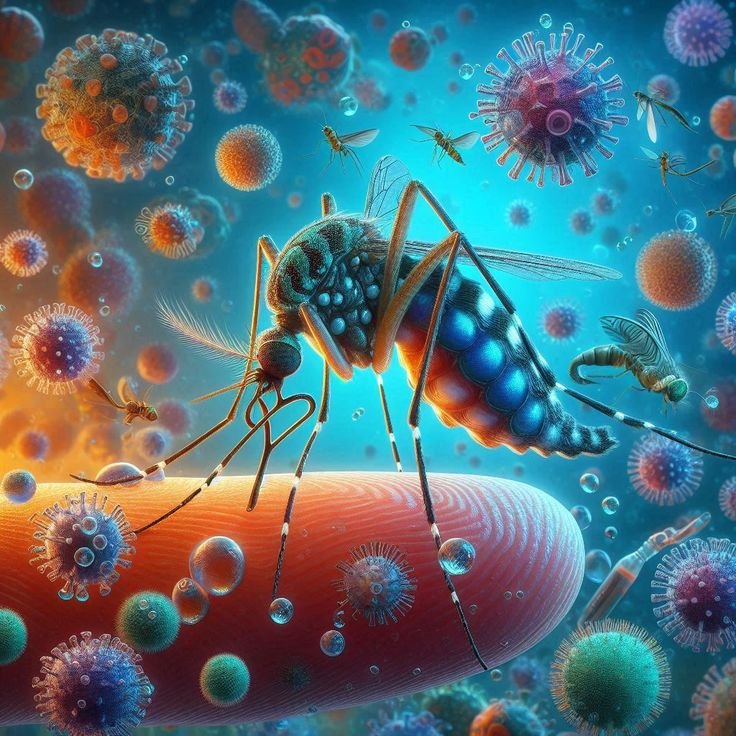
This changes how families should prioritize prevention. Disinfecting surfaces is useful. But ventilation? Consistently underestimated, and probably more impactful than wiping down every kitchen counter twice. Opening windows, running an air purifier with HEPA filtration, and creating airflow through your home makes a measurable difference, especially during winter when everyone is spending more time indoors and windows stay shut.
The face-touching piece is still worth taking seriously, though. A study published in the American Journal of Infection Control found that adults touch their faces an average of 23 times per hour. Children do it more. And every time that happens, the skin of the hand becomes a potential bridge between a contaminated surface and a mucous membrane entry point. So handwashing stays relevant, even if surface transmission isn’t the headline risk for most respiratory viruses.
2. Your Immune System Isn’t a Lock That Supplements Can Open
I want to be careful here, because this is where the most confusion tends to live.
Yes, certain nutrients support immune function. Zinc plays a role in the development and activation of immune cells. Vitamin D has receptors throughout the immune system, and deficiency has been linked to increased susceptibility to respiratory infections. Vitamin C is involved in several immune processes and is concentrated in white blood cells. These are real, documented relationships.
But there’s a meaningful difference between “this nutrient is necessary for immune function” and “taking a high-dose supplement of this nutrient will prevent your family from getting sick.” The second claim is what gets sold. And the research supporting it, particularly for otherwise well-nourished people, is much weaker than the packaging implies.
For zinc specifically, some evidence suggests that zinc lozenges started within the first 24 hours of cold symptoms may shorten illness duration. That’s different from a daily zinc supplement preventing illness in the first place. For vitamin D, the stronger case is for people who are genuinely deficient, which is common in northern climates and in anyone with limited sun exposure. Worth testing for, not assuming.
What consistently shows up in the research as protective? Sleep. Adults sleeping fewer than 6 hours per night show significantly higher susceptibility to the common cold compared to those sleeping 7 or more hours, based on a Carnegie Mellon University study that deliberately exposed participants to rhinovirus under controlled conditions. Chronic stress also measurably suppresses immune function, which is why high-stress periods so often come with a string of back-to-back illnesses.
For readers of Daily Health Updates, the immune support story keeps circling back to the same place: sleep, nutrition, regular movement, and stress management. Supplements can help at the margins for specific, confirmed deficiencies. They’re not a replacement for the fundamentals, and treating them as one is where families waste both money and opportunity.
3. The Handwashing Mistake Almost Every Household Is Making
Handwashing is one of those topics where everyone says “yes, obviously, we do that” and then does it wrong.
Twenty seconds with soap. That’s the standard public health recommendation. It sounds simple. In practice, most people spend 6-10 seconds, rinse, and move on. The timing isn’t arbitrary, it’s based on the mechanical friction needed to dislodge viruses from the skin’s surface. A quick rinse under water doesn’t accomplish the same thing.
Timing matters, but so do moments. The handwashing has to happen at the right points: before eating, after blowing your nose or covering a cough, after using the bathroom, after being in public spaces, and before touching your face or preparing food. Washing hands once in the morning and considering it done isn’t how this works.
Children need explicit coaching on moments, not floating reminders. “Wash your hands” as a general instruction gets tuned out. “Wash your hands right now, before you eat that apple” is attached to a trigger and has a much better chance of becoming an automatic habit. Research on habit formation is consistent on this: tying a behavior to a specific cue is what makes it stick.
One more thing: hand sanitizer is a useful backup, but it doesn’t substitute for soap and water across the board. Norovirus, the highly contagious cause of stomach illness, is notably resistant to alcohol-based sanitizers. Soap and water is the more reliable option across a broader range of pathogens, including viruses that cause gastrointestinal illness in kids.
And a point that often gets missed: the sick family member should be doing the most hand hygiene, not just the healthy ones trying to protect themselves. Reducing what an infected person deposits onto surfaces, doorknobs, and shared objects cuts the transmission chain earlier.
4. A Practical Prevention Plan That Works for the Whole Family
Virus prevention in a household works better as a shared system than as a set of isolated individual habits. One person washing hands diligently while another skips it before dinner doesn’t add up to much collective protection.
Here’s a quick-reference chart of evidence-backed prevention habits, organized by category:
| Prevention Category | What Actually Helps | Practical Notes |
|---|---|---|
| Respiratory hygiene | Cover mouth and nose with elbow when coughing or sneezing | Tissue works too; discard it immediately |
| Hand hygiene | Soap and water for 20 seconds at key moments | Hand sanitizer as backup when soap isn’t available |
| Ventilation | Open windows when possible; HEPA air purifiers in shared rooms | Especially important during peak respiratory illness season |
| Sleep | 7-9 hours for adults; 9-12 hours for school-age children | Below 6 hours raises susceptibility noticeably in the research |
| Nutrition | Diverse whole-foods diet with adequate zinc, vitamin D, and vitamin C from food first | Supplement where a genuine deficiency is confirmed |
| Physical activity | Regular moderate-intensity movement most days | Extreme or excessive exercise can temporarily suppress immunity |
| Stress management | Chronic stress measurably suppresses immune function | Worth treating as a real health variable, not a side issue |
| In-home isolation | Sick family member uses separate bathroom if possible; separate sleeping space during highest-shedding days | Most helpful in the first 1-3 days of symptoms |
On that last row: by the time a family realizes someone is sick, some exposure has already happened. But reducing ongoing exposure during the days when viral shedding is highest still matters. A sick child sleeping in a separate room isn’t an overreaction. It’s practical. The daily wellness routines covered here on Daily Health Updates offer a solid starting point for building several of these habits into regular family life.
5. The Mistakes That Undo Everything Else
A few patterns come up repeatedly, and all of them are understandable, but they consistently undermine good prevention work.
The first is reaching for antibiotics during a viral illness. Antibiotics treat bacterial infections. They have no mechanism of action against viruses. The common cold, influenza, most sore throats in adults, most ear infections in adults are viral. Pressing for antibiotics when they’re not indicated doesn’t accelerate recovery; it creates antibiotic resistance and disrupts the gut microbiome in ways that can take weeks to normalize. If a bacterial secondary infection develops later, that’s a different situation and a legitimate use case for antibiotics.
The second is the belief that pushing through illness or sweating it out speeds recovery. Rest is restorative. Fevers below 103°F (39.4°C) in adults are part of the immune response, not a problem to suppress aggressively, though they warrant monitoring and symptom management. Exercising when you’re unwell tends to prolong illness and increases the likelihood of spreading it.
Third, and this one gets pushback: not keeping symptomatic family members home. I understand the practical constraints here, limited leave, childcare costs, the pressure to show up. But a child who returns to school while still shedding virus passes it to classmates, who carry it home to their households, and the cycle continues. The health safety guidance at Daily Health Updates covers how to recognize when symptoms are serious enough to stay home versus when recovery can continue alongside regular activity.
And if illness takes hold despite solid prevention habits, there’s practical guidance in this healing tips resource on what actually supports recovery.
The basics hold up.
They’re not exciting, they don’t come in branded packaging, and nobody is going to sell a subscription box called “consistently sleep 7 hours.” But solid handwashing habits, adequate sleep, sensible whole-foods nutrition, and actual rest when someone gets sick will outperform most of what’s on the supplement shelf.
Families who stay healthy through viral seasons aren’t usually doing something exotic. They’re doing the boring things consistently, and not giving up on them after the first week of November.
One more thing worth saying plainly: vaccination. Vaccines against influenza, COVID-19, and RSV (for eligible groups, particularly older adults and young children) are evidence-based tools that reduce severity of illness and hospitalization risk. Staying current on recommended vaccines is part of the prevention picture. Not optional, not replaceable by supplements, a real addition to everything above.
For more on sustaining these daily habits year-round, this article on health wellness habits is worth bookmarking.
Frequently Asked Questions
How long is someone with a cold actually contagious? Most cold viruses are contagious starting about 1-2 days before symptoms appear, and for another 2-3 days after symptoms begin. That early window is when transmission risk is highest, which is part of why household spread is so difficult to prevent completely. After the first few symptomatic days, most people are significantly less contagious even if they’re still feeling rough.
Does cold weather cause colds? No. Cold viruses cause colds. The seasonal pattern exists because people spend more time indoors during colder months, in closer proximity to others, which increases exposure to respiratory viruses. Cold air can dry out nasal mucous membranes slightly, which may marginally reduce their barrier function, but sitting in a drafty room doesn’t produce a viral infection on its own.
What should kids eat when they’re sick? Appetite typically drops during illness, and that’s a normal part of the immune response. Forcing eating isn’t helpful. Fluids are the priority: water, broth, diluted juice, or electrolyte drinks if there’s vomiting or significant diarrhea. Easy-to-digest foods that don’t tax the system are better than heavy meals or supplements. If an infant or very young child isn’t drinking fluids and seems lethargic, contact a healthcare provider promptly.
Is it safe to take vitamin D year-round as a prevention strategy? For most adults in northern climates, or those with limited sun exposure, supplementing with 1,000-2,000 IU/day is generally considered safe and may address a genuinely common deficiency that compromises immune function. Higher doses should be guided by a serum 25-hydroxyvitamin D blood test, since vitamin D toxicity is possible with very high supplemental doses over extended periods. Testing first is the sensible approach rather than blanket high-dose supplementation.
When should a sick family member actually see a doctor? Most viral respiratory illnesses resolve without medical intervention. Red flags that warrant a call or visit include: fever above 103°F (39.4°C) in adults that isn’t responding to medication, difficulty breathing or chest tightness, symptoms that improve and then suddenly worsen again, any fever in an infant under 3 months, or illness that isn’t improving after 10 days. Lingering or worsening symptoms past that point may indicate a bacterial secondary infection that does warrant evaluation and potentially antibiotic treatment.