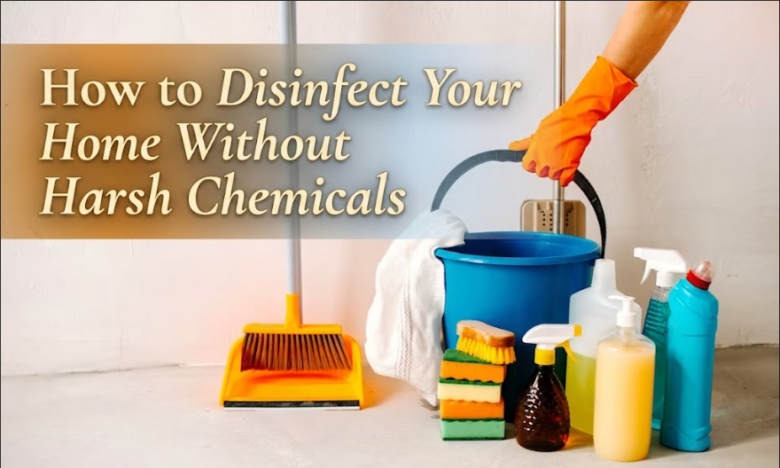
I’ve lost count of how many times I’ve heard some version of this: “I switched to natural products, but I don’t think they’re actually doing anything.” And here’s the thing that frustrates me about that conversation, because the problem usually isn’t the natural products. It’s that most people are reaching for white vinegar or a few drops of lavender essential oil, giving a counter a three-second wipe, and expecting it to perform the way hospital-grade disinfectants do.
It doesn’t work like that. And the assumption that it should is exactly what keeps people stuck in this cycle of either going back to bleach or feeling vaguely disappointed in their “healthier” cleaning routine.
The real issue is a conceptual one. Most people have merged cleaning, sanitizing, and disinfecting into a single idea, and that confusion drives almost every mistake made when going the chemical-free route. Before getting into which natural products genuinely work and which ones are mostly wishful thinking, that distinction is worth sorting out.
1. Cleaning, Sanitizing, and Disinfecting Are Not the Same Job
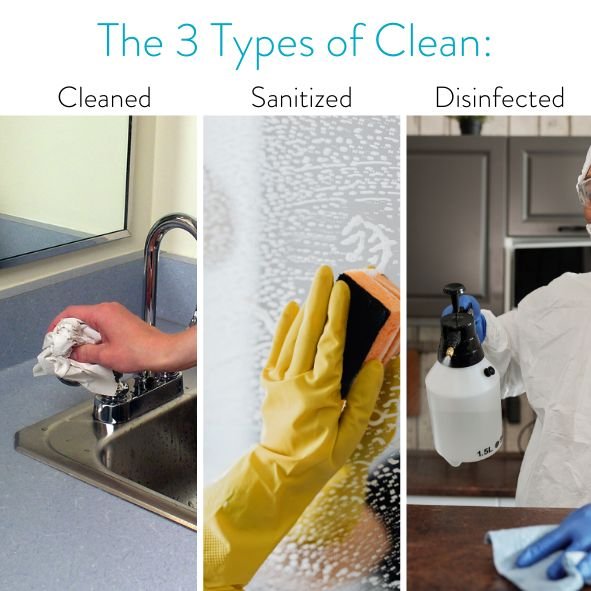
The EPA draws a clear line between these three actions, and understanding the difference changes how you approach the whole problem.
Cleaning removes visible dirt, grease, and surface debris. It reduces the number of germs on a surface but does not kill them. Dish soap and warm water is cleaning. A microfibre cloth and plain water is cleaning. These are useful, but they’re not disinfection.
Sanitizing lowers bacterial counts to a level considered safe by public health standards. It’s the baseline required in food preparation settings. Several natural products can genuinely sanitize.
Disinfecting kills the majority of pathogens on a surface, including bacteria and viruses. This is the standard that’s harder to reach, and where the debate between natural and conventional products gets genuinely complicated.
Why does this matter practically? If you’re wiping a kitchen counter after handling raw chicken, you need to disinfect. If you’re cleaning a child’s toy because it looks sticky and has been sitting on the floor, cleaning is probably adequate. The mistake most people make is expecting a cleaning product to do disinfection work. That’s not what it was designed for, and that’s where the frustration usually starts.
2. Which Natural Products Actually Disinfect (and Which Ones Don’t)
Several natural compounds have real antimicrobial activity, backed by peer-reviewed research. Others are popular on lifestyle blogs but barely supported by the science. Here is a plain comparison of the most commonly used options:
| Product | Disinfecting Power | Contact Time Required | Best Used For |
|---|---|---|---|
| 3% Hydrogen Peroxide | Strong: kills bacteria, viruses, fungi | 10 minutes on surface | Counters, toilets, cutting boards |
| 70% Isopropyl Alcohol | Strong: kills bacteria and most viruses | 30–60 seconds | Hard surfaces, faucet handles, electronics |
| White Vinegar (5% acetic acid) | Moderate: antibacterial; limited antiviral | 30+ minutes | General cleaning, deodorizing |
| Thymol-based products (thyme oil) | Moderate to strong: EPA-registered options exist | Varies by product | Surfaces, some commercial sprays |
| Tea tree oil in solution | Moderate: antibacterial, some antiviral in research | Varies | Mixed-ingredient sprays |
| Lemon juice (undiluted) | Weak: bacteriostatic only | Not reliably effective | Deodorizing, light cleaning |
| Baking soda | None: this is a cleaner/deodorizer | Not applicable | Scrubbing, odour removal |
| Castile soap | None as a disinfectant; removes pathogens by rinsing | Cleaning contact only | General washing, not disinfecting |
A few things in this table deserve more explanation.
Hydrogen peroxide at 3% concentration, which is what’s sold at most pharmacies, has been tested in clinical settings and has documented antiviral efficacy, including against influenza, when allowed to stay wet on a surface for a full ten minutes. Most people spray and immediately wipe. That completely cancels out its effectiveness. The contact time is not optional.
Isopropyl alcohol above 70% concentration kills quickly and leaves no residue. Below 70%, the ratio of water to alcohol drops past the threshold needed to properly disrupt microbial cell membranes. Diluting it seems safer but renders it less effective. This is a very common, very fixable mistake.
White vinegar is antibacterial in lab conditions, but the antiviral research is much weaker. If reducing virus transmission on surfaces is a specific goal, vinegar on its own is not a reliable tool for that. For broader guidance on virus prevention at home, the team at Daily Health Updates Org covers this topic in practical depth.
3. The Concentration Problem No One Mentions Enough
Natural products have a concentration problem, and it’s what makes most DIY recipes fall short.

Essential oils, for example, contain genuine antimicrobial compounds. Thymol, derived from thyme oil, is an active ingredient in several EPA-registered disinfectants, including formulations from some well-known natural brands. The catch is that those commercial products are precisely formulated to deliver a specific thymol concentration. A few drops of thyme essential oil shaken into a spray bottle of water almost certainly does not reach that concentration. The chemistry requires precision, and most DIY versions skip that step.
The same issue applies to vinegar. Standard white vinegar is 5% acetic acid. Antibacterial effects have been documented at this concentration. But again, the antiviral evidence is inconsistent. And honestly, if you’ve been reading that “cleaning with vinegar kills viruses,” that claim deserves more scrutiny than it usually gets.
This doesn’t mean natural options fail across the board. It means they need to be used strategically, and the strategy includes knowing what each product actually does rather than what it’s rumoured to do.
And there is one more thing. Natural doesn’t automatically mean safe for all surfaces. Hydrogen peroxide can bleach coloured fabrics and porous materials. Undiluted isopropyl alcohol can strip finishes from some wood surfaces. Vinegar corrodes natural stone countertops over time. These aren’t reasons to avoid natural products but they are reasons to understand them before using them.
If you’re building a cleaner, lower-exposure home environment overall, it’s worth reading up on common safety gaps around household hygiene to see where surface disinfection fits into the bigger picture.
4. Where People Go Wrong (and Why It’s So Predictable)
Three mistakes show up again and again.
Not allowing contact time. This is the most frequent error. A product is sprayed on a surface, wiped off four seconds later, and the surface is considered disinfected. Most disinfectants, natural or conventional, require a minimum wet contact time ranging from thirty seconds (isopropyl alcohol) to ten minutes (hydrogen peroxide) to actually kill pathogens. Spraying, then walking away, then coming back to wipe, that’s how it works. Spray-and-wipe is cleaning, not disinfecting.
Treating vinegar as an all-purpose solution. White vinegar is useful. It descales, deodorizes, and handles some bacterial contamination. But reflexively reaching for it on every surface in every situation is where the “natural products don’t work” frustration begins. And again, it actively damages marble, granite, and travertine. A lot of people have found this out by accident.
Mixing hydrogen peroxide and vinegar. Older DIY blogs, some of which are still ranking well, recommend spraying these two products sequentially as a team. When hydrogen peroxide and acetic acid combine, they form peracetic acid. In concentrated forms this compound is corrosive and can irritate the respiratory system. Using them separately, on separate occasions, is fine. Mixing them in the same bottle is not.
The deeper issue is the assumption that everything needs to be disinfected, all the time. For most households without an immunocompromised member or active illness in the home, thorough cleaning handles the majority of everyday situations. Disinfecting is genuinely useful on bathroom fixtures, kitchen prep surfaces after handling raw meat, and high-touch surfaces like doorknobs during cold and flu season. Disinfecting the entire kitchen because someone made a sandwich is overkill and gradually wears down surfaces unnecessarily.
5. A Room-by-Room Approach That Actually Makes Sense
Once the logic behind each product is clear, deciding what to use where becomes simple.
Kitchen counters: After handling raw poultry or meat, 3% hydrogen peroxide sprayed on and left for ten minutes, then wiped, provides genuine disinfection. For daily wipe-downs after cooking regular meals, a castile soap solution or diluted dish soap followed by a rinse does the job.
Bathroom surfaces: Isopropyl alcohol at 70% or higher works well on hard surfaces including faucet handles and toilet seats. During respiratory illness season, wiping these surfaces daily with an alcohol solution makes practical sense. Outside of that, twice weekly is reasonable for most households.
Doorknobs, light switches, remote controls: These are high-contact surfaces and consistently underestimated. A quick wipe with an isopropyl alcohol solution, allowed to sit for thirty to sixty seconds before wiping, covers them efficiently.
Children’s toys: Most don’t need disinfecting. Soap and water removes the vast majority of surface pathogens, and hot-water machine washing handles most soft toys. Reserve disinfecting for when there’s active illness in the home.
Electronic screens and keyboards: Isopropyl alcohol at 70%, applied lightly to a cloth and then wiped across the surface, is safe for most electronics. Never spray directly onto a device.
Building a simple, consistent home hygiene routine doesn’t require a complicated product list. Two or three products used correctly and in the right contexts cover almost everything. Daily Health Updates Org’s practical guide to easy health routines pairs well with this kind of streamlined approach to home health habits.
The goal is not a perfectly sterile home. It’s a clean one where the moments that actually call for disinfection are handled with something that works.
Frequently Asked Questions
Is white vinegar safe for granite or marble countertops? No, and this is worth knowing before it’s too late. Acetic acid in vinegar reacts with the calcium carbonate in natural stone, causing etching, dullness, and surface damage over time. For stone surfaces, use a pH-neutral cleaner or one specifically labelled as stone-safe. Low-concentration hydrogen peroxide is generally safer on stone but test a small inconspicuous area first.
Can I make a DIY disinfectant that genuinely works? Yes, under specific conditions. A 70% isopropyl alcohol spray with a thirty-to-sixty-second contact time is a genuine disinfectant. Hydrogen peroxide at 3% from the pharmacy also disinfects effectively with a ten-minute wet contact time. Most other DIY recipes using essential oils or diluted vinegar function as cleaners at best, not disinfectants. The label “natural” does not automatically mean “antimicrobially effective.”
Does natural dish soap count as disinfecting? No, but that doesn’t make it unhelpful. Soap disrupts the lipid envelope around many pathogens, including certain viruses, and the mechanical action of washing physically removes them from surfaces. For most everyday cleaning, thorough washing with soap and warm water provides real protection even without technical disinfection. It’s just not the same thing.
Are bleach and hydrogen peroxide equally harsh on the lungs? Bleach fumes are significantly more irritating and carry a higher risk of respiratory irritation, particularly in small, poorly ventilated spaces. Hydrogen peroxide at 3% is much milder but ventilation is still advisable. If respiratory sensitivity is a concern, 70% isopropyl alcohol in a well-ventilated space tends to be the easiest option to tolerate.
How often should a typical household actually disinfect? For most households, regular cleaning covers daily needs. Disinfecting becomes relevant for high-touch surfaces during cold and flu season, after hosting someone who is ill, when a household member is sick, and for kitchen prep surfaces after handling raw proteins. Disinfecting the whole house daily is unnecessary for average-risk households and causes cumulative surface wear over time. Understanding what situations genuinely call for higher hygiene standards helps make these decisions less reactive and more practical.