Here’s something that doesn’t get talked about enough. When people are sick, they tend to lump “sleep,” “rest,” and “taking it easy” into one big category, as if they’re all the same thing pointed in the same direction. They’re not. And the gap between them turns out to matter a lot more than most advice columns let on.
1. Three Different Things Wearing the Same Outfit
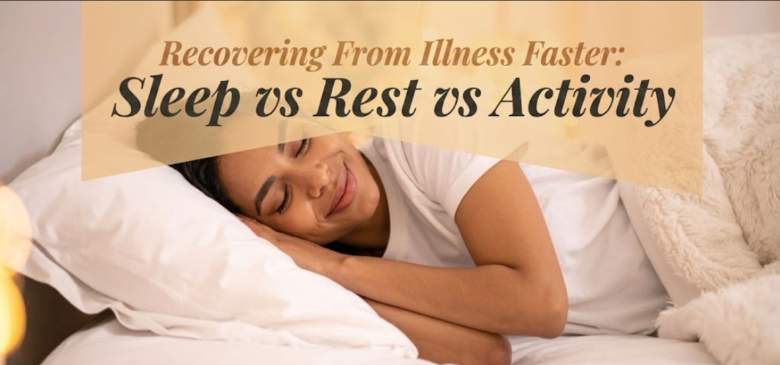
Sleep, rest, and light activity all get filed under “recovery,” but they’re doing different jobs. Sleep is the deep-repair phase, the time when the body produces more of the immune cells that go after pathogens and when tissue repair ramps up. Rest, in the sense of lying on the couch awake watching something forgettable, lowers energy demand so more resources can go toward fighting whatever’s making you sick, but it doesn’t trigger the same repair processes sleep does. Activity, even light activity, keeps circulation and lymphatic flow moving, which has its own role.
The question worth asking isn’t “which one is best.” It’s which one your body needs most at which point in the illness, because the answer changes day to day in a way that a single piece of advice like “rest up” doesn’t capture.
2. Sleep Wins Early, and It’s Not Close
In the first day or two of being sick, especially with fever, sleep is doing more for you than anything else on this list. This is the phase where your immune system is ramping up its response, and that process leans heavily on what happens during deep sleep. People who sleep poorly during the acute phase of an illness, even if they’re technically “resting” the rest of the day, tend to feel worse for longer.
This is part of why the advice to “sleep it off” exists, and honestly, for the first 24 to 48 hours, it’s some of the best advice out there. We’ve written before about how poor sleep actually affects immune defense more broadly, and during active illness that effect is amplified. If you’re only going to optimize one thing in the early days, make it sleep, not the supplement aisle.
But here’s where it gets interesting. Sleep’s advantage doesn’t hold steady through the whole recovery. Somewhere around day three or four for most common illnesses, the returns on extra sleep start to flatten out, and other things start to matter more.
3. Rest Without Sleep Is the Underrated Middle Ground
Once you’re past the acute phase but still not back to normal, lying around awake, low stimulation, minimal demands, becomes more useful than people give it credit for. This isn’t the same as sleep, and it’s not the same as doing nothing productive out of laziness. It’s a deliberate lowering of cognitive and physical load so energy can keep going toward recovery rather than toward, say, answering emails or running errands.
A lot of people skip this phase entirely. They feel slightly better than the worst days, decide they’re “fine,” and go straight back to a full schedule. And then they’re surprised when the cough lingers for two more weeks or the fatigue comes back hard a few days later. If that sounds familiar, this piece on why coughs stick around after the flu clears up digs into exactly that pattern, where the body technically beat the infection but never got the lower-demand window it needed to finish settling down.
Rest without sleep also matters for a reason that’s easy to overlook: it’s when a lot of people notice their appetite returning, their thinking clearing up, and their body essentially signaling readiness for the next phase. Push through this window too fast, and you skip past those signals entirely.
4. Activity Can Speed Things Up, But Timing Is Everything
This is the one that trips people up the most, and it’s where I see the most genuinely bad advice floating around. “Sweat it out” is not a real strategy for most illnesses, and for some, particularly anything involving the heart or lungs, pushing activity too early can actually extend recovery or, in rare cases, cause real harm.
That said, light activity at the right point, a slow walk around the block, some gentle stretching, can genuinely help. It improves circulation, supports lymphatic drainage, and for a lot of people, it helps shake off the lingering grogginess that pure rest sometimes doesn’t touch. The key word is light, and the key timing is after the acute phase has passed, not during it.
If you’ve had something more serious than a typical cold, fever lasting several days, anything respiratory that left you breathless, it’s worth being more cautious here. This guide on whether exercise after viral illness is ever safe too soon covers the warning signs that mean you should wait longer, and they’re worth knowing before you lace up your shoes again. For most garden-variety colds, though, a short walk on day four or five tends to help more than it hurts.
One thing Daily Health Updates gets asked about a lot is morning walks specifically, and there’s something to that beyond just “activity.” Getting outside in daylight during recovery, even briefly, seems to help reset sleep patterns that illness often disrupts, which is covered in more depth in this piece on morning sunlight walks.
5. Matching the Mix to What You Actually Have
A stomach bug, a head cold, and the flu don’t call for the same balance of these three things, and treating them identically is one of the more common mistakes I see. With a stomach bug, rest tends to matter more than sleep in the early hours, since lying flat right after eating can make nausea worse, and gentle movement once you can tolerate it actually helps digestion get back on track faster than staying horizontal all day.
With a head cold, the sleep-heavy early phase is shorter, often just a day, and most people can shift into the rest-then-light-activity pattern fairly quickly. The flu is the one that deserves the most patience. The sleep-heavy phase often runs three or four days, not one or two, and rushing into activity here is where the “relapse” pattern a lot of people describe tends to come from.
Sleep vs Rest vs Activity: A Quick Pros and Cons Look
| Pros | Cons | |
|---|---|---|
| Sleep | Strongest immune and repair benefits, especially early | Diminishing returns after the acute phase; oversleeping can disrupt your schedule and mood |
| Rest (awake, low demand) | Lets the body finish recovering without new stress; helps signal when you’re ready for more | Easy to either skip entirely or overdo for too long |
| Light activity | Improves circulation and mood, can shorten the “lingering fatigue” tail | Done too early, can extend recovery or, with certain illnesses, pose real risk |
Frequently Asked Questions
How do I know when to switch from resting to light activity? A reasonable signal is whether you can do something mildly active, like a short walk, without your symptoms getting noticeably worse afterward. If a five-minute walk leaves you wiped out for the rest of the day, you’re not there yet. If it leaves you feeling slightly better, that’s usually a good sign.
Is it bad to sleep too much when you’re sick? For most people, no, not in the first few days. After that, excessive sleep can actually disrupt your circadian rhythm and make you feel worse overall, even if the illness itself is improving. If you’re sleeping 12+ hours a night by day five or six and still feel exhausted afterward, that’s worth paying attention to.
What about when I’m sick but still have to work from home? This is one of the harder real-world situations, and there’s no perfect answer. If you can, front-load whatever sleep you can get and treat the workday itself as the “rest” phase, lower demand than usual, fewer meetings if possible. Pushing through a full normal workload during the acute phase tends to extend things on the back end.
Does it matter if the activity is exercise versus just being active around the house? Somewhat. Light household movement, walking around, doing dishes, tends to be safe even earlier in recovery than structured exercise, because the intensity is naturally lower and easier to stop if you start feeling worse. Structured exercise is where the timing matters more.
My fatigue came back a few days after I felt better. Did I do something wrong? Possibly, though not necessarily in a way that caused lasting harm. This pattern often happens when people skip the rest phase and go straight from “sleeping a lot” to “back to normal activity,” without the in-between window. It’s usually a sign to dial back for a few more days rather than a sign of a new problem.
Recovery isn’t really one thing you do for a set number of days. It’s a sequence, and most of the frustration people feel with “I did everything right and I’m still tired” comes from treating it like a single instruction instead of a handoff between three different processes. For more on the food side of that handoff, this piece on recovery foods that work better than supplements rounds out the picture.