
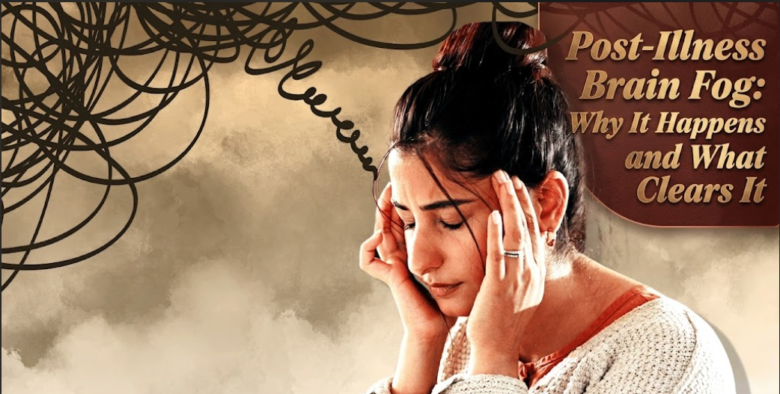
A reader wrote to me a few weeks ago describing something I hear constantly this time of year. Her flu had been gone for almost three weeks. Her cough was quiet, her appetite was back, and on paper she was “better.” But she said that when she sat down to answer a work email, she’d stall out completely. Words she used every single day felt slippery, slippery and out of reach in a way that scared her a little. She’d read the same paragraph three times and still couldn’t tell you what it said.
She wanted to know if this was normal, or if she’d somehow gotten sick again without realizing it.
I get a version of this question more than almost any other, especially from people in their thirties and forties who tell me they’ve “never had a brain like this before.” And the honest answer is that what she described has a name, a fairly well understood mechanism, and in most cases, a predictable window for improvement. It’s just one of those things almost nobody explains to you before you’re living through it.
1. What’s Actually Happening in Your Brain After You’re “Better”
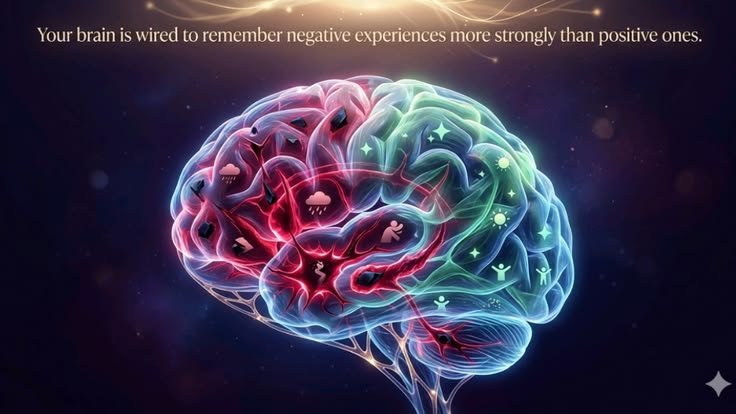
Here’s the part that surprises people: your immune system doesn’t switch off the moment your symptoms fade. While you were sick, your body was producing a flood of inflammatory chemicals called cytokines. These are useful, they help fight off whatever made you sick in the first place. But cytokines don’t just stay in your bloodstream doing tidy, contained work. They can cross into the brain and interfere with how neurotransmitters like dopamine and serotonin are produced and used.
That interference is a big part of what brain fog actually is. Slower processing speed. Trouble holding one thought while you reach for the next. A kind of mental static that makes ordinary tasks, the ones you’d normally do without thinking, feel like they require an extra gear you don’t currently have.
On top of that, think about what your sleep looked like while you were sick. Probably fragmented, probably shallow, probably full of night sweats or coughing fits or just generally bad. Sleep is when your brain does a lot of its repair and memory consolidation work. Miss several nights of decent sleep in a row, and the fog gets worse before it gets better, even after the virus itself is long gone.
And then there’s energy allocation, which sounds clinical but is actually pretty simple. Your body was spending a huge amount of energy fighting an infection. That energy has to come from somewhere, and “somewhere” often means your brain gets a smaller slice of the pie for a while. You’re not imagining the heaviness. Your body made a trade, and it’s still paying it back.
I’ll be honest, I went through a version of this myself after a bad flu a couple of winters ago. I’m someone who reads research for a living, and there were two full days where I sat down to read a study abstract and had to start the same sentence four times. It was humbling. It also, frankly, made me a lot more patient with clients who describe the same thing and worry that something is permanently wrong with them. It usually isn’t. It’s just your body finishing a job.
2. Why Some Infections Leave a Heavier Fog Than Others
Not every illness produces the same level of fog, and the differences come down to how much inflammation the infection triggers and how long that inflammation hangs around.
A garden-variety cold tends to clear quickly, fog included, because the immune response is relatively mild and short-lived. The flu is a bigger trigger. It’s common to feel mentally sluggish for one to two weeks after the fever breaks, sometimes longer if you went back to work or normal life before you were properly rested. Mono, caused by the Epstein-Barr virus, is notorious for leaving fatigue and fog that linger for months, partly because the virus can stay somewhat active in the body longer than most people realize.
Then there’s COVID-19, which has done more than anything else to push “post-viral brain fog” into mainstream conversation. Research published in JAMA found that close to 30% of people who’d recovered from COVID still reported brain fog three months later, including people with no previous history of cognitive issues. For most people, that fog resolves within six to nine months. A smaller group, though, deals with it for considerably longer, sometimes 18 months or more.
Here’s a quick-reference chart based on the patterns I see most often:
| Illness | Typical fog duration | Notes |
|---|---|---|
| Common cold | A few days, if any | Usually fades alongside other symptoms |
| Influenza (flu) | 1 to 3 weeks | Often worse if you return to full activity too soon |
| Norovirus / stomach bugs | A few days to a week | Mostly tied to dehydration and disrupted sleep |
| Mono (Epstein-Barr virus) | Weeks to several months | Fatigue and fog often outlast other symptoms |
| COVID-19 | Weeks to 6-9 months (longer for some) | Roughly 30% report fog at the 3-month mark |
This chart describes patterns, not promises. Plenty of people get the flu and feel sharp again within days. Plenty of people get a mild cold and feel oddly foggy for a week afterward for reasons that have more to do with stress or sleep debt than the virus itself. Bodies don’t read charts.
One thing I covered in more depth in a piece on how long post-viral fatigue actually sticks around is that fatigue and fog tend to travel together, and the timeline for one is a decent predictor for the other. If your energy is coming back in a slow, steady curve, your thinking usually follows the same curve a few steps behind.
3. Where People Go Wrong While They’re Waiting for It to Lift
This is the section I’d actually call the most important, because the mistakes people make here are the ones that quietly extend their recovery. This is where things usually go sideways.
The biggest one: going back to a full mental workload the moment physical symptoms ease up. You feel “well enough,” so you stack your calendar with the meetings you postponed, catch up on every email, and try to make up for lost time all in one week. Your brain, which is still running a deficit, can’t keep up, and the result is usually two steps forward and one step back for several weeks longer than necessary.
The second mistake is leaning hard on caffeine to push through the fog. A coffee or two is fine. But using caffeine to override genuine fatigue just masks the signal your body is sending, and it often wrecks the sleep you desperately need to actually recover. Which makes the fog worse. It’s a loop, and it’s an easy one to fall into without noticing.
Third, and this one’s sneaky: people stop connecting their symptoms to the illness once enough time has passed. Three weeks after the flu, someone starts thinking maybe they’re just stressed, or maybe this is early burnout, or, for people over 40 especially, maybe this is just what aging feels like now. Sometimes those things are true on their own. But it’s worth pausing and asking whether the timeline lines up with a recent infection before assuming something bigger has changed.
I wrote about a cluster of these patterns in 5 mistakes people make while recovering from viral illness, and brain fog comes up in almost every one of them, even when it’s not the symptom people are focused on.
4. What Actually Helps the Fog Clear
There’s no supplement or pill that clears post-illness brain fog on a faster timeline, no matter what an ad in your feed might suggest. What actually helps is less exciting, but it works.
Sleep comes first, and it’s not close. If you’re waking up at 3am for no real reason, or your sleep feels light and unrefreshing, that’s worth addressing directly rather than pushing through tired days with more coffee. Sleep quality during recovery matters as much as sleep quantity, something I went into more in does poor sleep actually destroy your immune defense.
Pacing matters more than people expect. Instead of jumping from barely functional to a full workload in one day, scale your mental effort up gradually, the same way you’d ease back into exercise after being sick. Tackle your hardest cognitive task earlier in the day when your mental energy is highest, and protect a slower afternoon for routine work.
Nutrition plays a real role here too, particularly foods that support the gut and reduce ongoing inflammation, since gut health and brain function are more connected than most people realize. I put together a practical list in health recovery foods that work better than supplements, and a lot of it comes down to whole foods, adequate protein, and staying genuinely hydrated rather than reaching for whatever’s marketed as a brain booster.
Light movement helps more than people expect, too. A short walk, especially outside, does more for mental clarity during recovery than sitting still trying to force focus through willpower. We’ve touched on this kind of gentle-movement approach in a few places on Daily Health Updates, and the logic holds here just as well: movement supports circulation and mood without asking your body for more than it currently has to give.
And give yourself permission to be a little slower than usual for a while. That’s not a moral failing. It’s your brain finishing a job your immune system started, and that job takes the time it takes.
5. When Brain Fog Is Pointing at Something Else
Most post-illness brain fog follows a predictable arc. It shows up during or right after the illness, it’s at its worst in the first week or two, and then it slowly, unevenly improves.
What’s worth paying attention to is fog that doesn’t follow that arc. If it’s getting worse rather than better several weeks out, if it’s showing up alongside chest pain, fainting, severe headaches, or vision changes, or if it’s tangled up with a mood shift that feels bigger than ordinary tiredness, those are reasons to talk to a doctor rather than wait it out.

This isn’t meant to alarm anyone. The overwhelming majority of brain fog after a cold, flu, or stomach bug resolves on its own with time, sleep, and a bit of patience. But “give it time” only holds up if time is actually moving things in the right direction. If you’ve been tracking your own recovery on Daily Health Updates or in your own notes and the fog feels stuck rather than slowly lifting, that’s worth bringing to a healthcare provider, not something to push through on willpower alone.
I still hear from that reader sometimes. Her fog lifted gradually over about five weeks, mostly once she stopped trying to out-caffeinate it and let her sleep catch up. Not a dramatic story. Just a slow one, which honestly is how most of these stories go.
Frequently Asked Questions
Is brain fog after being sick a sign my immune system is still fighting something?
Often, yes, at least partly. Lingering inflammation from a recent infection can affect brain function even after you no longer feel actively sick. It doesn’t necessarily mean the infection itself is still active, more that your body is still in a recovery and rebalancing phase.
How long is too long for post-illness brain fog?
It depends heavily on what you had. A few days to a week or two after a cold or flu is typical. Beyond that, especially past the three-month mark, it’s worth mentioning to a doctor, particularly if it followed a more significant illness like COVID-19 or mono.
Can stress make post-illness brain fog worse?
Yes. Stress and poor sleep both amplify the same inflammatory pathways involved in brain fog, so a stressful return to work right after being sick tends to extend the fog rather than help you push through it.
Will brain fog come back if I get sick again before I’ve fully recovered?
It can, and this is a common reason fog seems to drag on for months at a stretch. Catching a second illness while still recovering from the first essentially resets the inflammatory clock, which is part of why pacing your return to normal activity actually matters.
Do brain fog supplements actually work?
Most haven’t been well studied for this specific use, and none replace the basics of sleep, hydration, gentle movement, and time. Some people find that addressing a known deficiency, like iron or B12, helps if testing shows it’s genuinely low, but that’s a conversation for a doctor, not a guess based on a supplement label.