
Every office has one. The person who sits two desks over from someone hacking through a meeting, shares a coffee pot with half the building during flu season, and somehow comes out the other side untouched. Coworkers usually chalk it up to good genes, or joke that they’re “built different.” There’s a sliver of truth buried in that joke. But it’s a small sliver, and most of what actually separates the people who rarely get sick from everyone else has very little to do with luck.
1. Genetics Sets the Floor, Not the Ceiling
Some people really are born with immune systems that respond a bit faster or more precisely to certain pathogens. That part is real, and no amount of clean living changes your basic biology. But genetics mostly explains why two people can be exposed to the same virus and have different severity of symptoms, not why one of them gets exposed five times a winter and the other gets exposed once.
That distinction matters more than people think. A lot of “never gets sick” is really “rarely catches it in the first place,” and exposure frequency is something people have far more control over than they assume. Genetics is the starting line. Everything else is how the race actually goes.
2. Sleep Is Doing More Work Than Anyone Gives It Credit For
If there’s one habit that quietly separates the people who get sick constantly from the people who don’t, it’s sleep, and not in a vague “rest is good for you” way. When you’re short on sleep, your body produces fewer of the immune cells that go after viruses early, before they get a foothold. People who consistently sleep less than six or so hours a night tend to catch colds at a noticeably higher rate than people getting seven or more, even when exposed to the same virus under controlled conditions.
And here’s where people usually go wrong: they treat sleep as the thing they sacrifice first when life gets busy, then wonder why they’re the one who gets sick every time something is going around the office. We’ve written before about whether poor sleep actually destroys your immune defense, and the short version is yes, more than most people realize, and the effect shows up faster than you’d expect. A few rough nights here and there won’t tank you. Months of five-hour nights will.
3. Hand Hygiene Is Boring, Which Is Exactly Why It Works
This one gets dismissed constantly because it sounds too simple to matter. But the math is straightforward. If you touch your face roughly 15 to 20 times an hour (which most people do without noticing), and your hands have picked up a virus from a doorknob, a shopping cart, or a shared keyboard, you’re giving that virus a direct route in. Reduce how often that happens, and you reduce how often you get sick. It’s not complicated, it’s just unglamorous.

The “never sick” people in your life aren’t necessarily germaphobes. Most of them just have a few quiet habits: washing hands before eating, not eating at their desk over a keyboard that hasn’t been wiped down in months, that kind of thing. If you want the deeper breakdown, we covered why handwashing actually beats hand sanitizer against things like norovirus, and the gap is bigger than most people assume. None of this is about living in fear of germs. It’s about reducing exposure load, which is a phrase worth remembering, because it comes up again below.
4. Chronic Stress Is the One People Underestimate Most
Short-term stress isn’t the enemy here. A stressful week before a deadline isn’t going to wreck your immune system. The problem is the low-grade, constant kind of stress that a lot of people have just learned to live with, the kind that doesn’t feel like “stress” anymore because it’s been there so long it’s just the background noise of life.
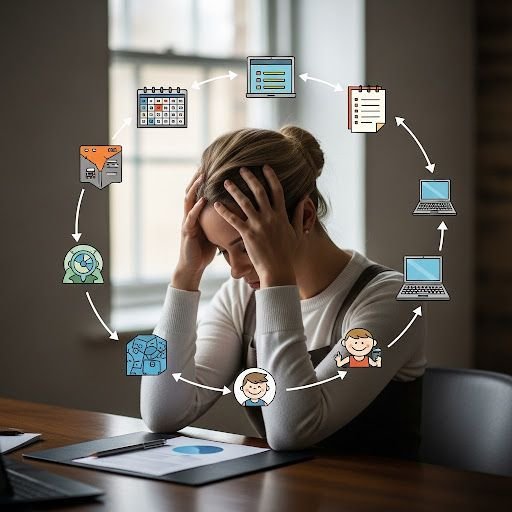
Chronically elevated stress hormones suppress the parts of the immune system responsible for catching infections early. People under sustained stress don’t just feel run down, they genuinely get sick more often and take longer to recover when they do. We’ve gone into this in more detail in our piece on whether stress alone can make you catch more viruses, and the short answer is that it absolutely can, working quietly in the background while people blame everything except the thing actually doing the damage.
5. Where People Go Wrong Trying to Copy the “Never Sick” Person
Here’s the part that trips people up. Once someone notices their coworker never gets sick, the instinct is to ask what supplement they’re taking, what superfood they’re eating, what magic trick they’re doing. And almost always, the answer is some boring combination of sleep, low exposure, and stress management that nobody finds satisfying.
So instead, people reach for the things that feel like they should work. A new supplement stack. An extreme diet change. Megadoses of vitamin C the moment they feel a tickle in their throat. None of that is necessarily harmful in small doses, but it’s also not where the actual leverage is, and chasing it can mean ignoring the habits that would genuinely move the needle. If you’re noticing you get sick more often than people around you, it’s worth checking the early signs your immune system is weaker than you realize before assuming the fix is something you can buy.
A Quick-Reference Look at What Actually Moves the Needle
| Habit | What It Actually Does | How Fast You’ll Notice |
|---|---|---|
| Consistent 7+ hours of sleep | Increases immune cell activity against early infection | 1 to 2 weeks |
| Regular handwashing before eating/touching face | Reduces viral exposure load | Within a season |
| Managing chronic (not acute) stress | Restores normal immune signaling | Several weeks to months |
| Moderate, regular exercise | Improves immune surveillance over time | Months, cumulative |
| Vitamin/supplement stacks alone | Minor support at best, no substitute for the above | Often none noticeable |
Frequently Asked Questions
If I get sick a lot, does that mean my immune system is weak? Not necessarily. It often points to higher exposure (kids at home, frequent travel, a job with lots of public contact) or poor sleep and chronic stress, rather than an immune system that’s actually deficient. A genuinely weak immune system usually comes with other signs too, like infections that linger far longer than they should.
Can supplements actually boost immunity the way ads claim? Most healthy adults with a reasonably balanced diet won’t see a meaningful difference from immune supplements. They can help correct an actual deficiency, like low vitamin D in winter, but they’re not a substitute for sleep, stress management, and reducing exposure.
Why do some people get sick every single time they fly, but others don’t? Recycled cabin air gets blamed a lot, but the bigger factor is usually touching contaminated surfaces (tray tables, seatbelt buckles) and then eating or touching your face during the flight. People who wash their hands or use a wipe before eating on a plane tend to get sick far less often from travel specifically.
Is it possible to almost never get sick and have that be a bad thing? In rare cases, yes. Some people who never seem to get sick are actually fighting off infections without symptoms, which isn’t inherently bad, but if someone genuinely never reacts to anything, including things like cuts getting infected, that’s worth a doctor’s attention rather than a celebration.
How long does it take to see a difference after improving these habits? Sleep and hand hygiene tend to show results within one cold and flu season. Stress management takes longer, often a couple of months, because chronic stress hormones don’t reset overnight. None of this works as a quick fix the week before everyone around you gets sick.
None of this means the person who never gets sick is doing anything heroic. Most of the time they’re just not giving viruses as many chances, and their body isn’t running on a sleep deficit when one does sneak through. If you’re curious about the bigger picture of how your immune system actually works day to day, this rundown of immunity basics is a good place to start.