
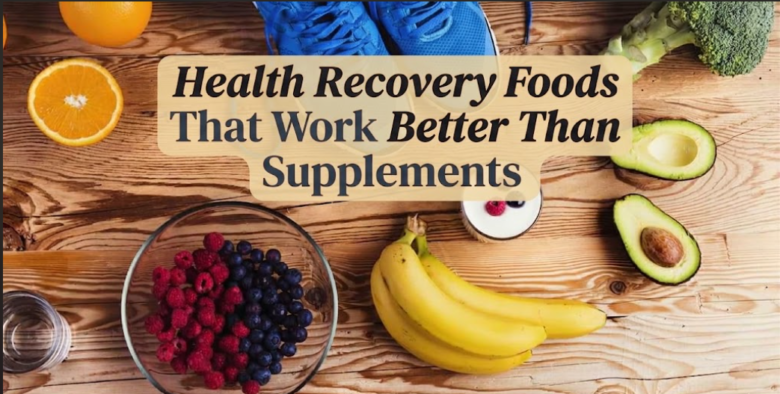
The misconception I kept running into, year after year, was this: food is the slow route, and supplements are the shortcut. People would arrive at their health consultations having already spent $80 on a recovery kit containing zinc, elderberry, vitamin C tablets, and two things they couldn’t pronounce, and then ask what else to add. When I’d suggest bone broth or a bowl of plain oatmeal, the look I’d get was polite but skeptical.
It’s understandable. Supplements look medical. A bottle with dosage instructions feels like action. And the marketing, which is relentless, is designed to make food feel passive and supplements feel precise.
But the research tells a different story.
There are specific scenarios, and specific foods, where the whole food form genuinely outperforms the isolated nutrient you’d find in a capsule. Not because supplements are useless, they’re not, but because the way nutrients exist inside actual food is more complex, more bioavailable in practice, and often more effective than what ends up concentrated in a bottle.
1. Why “Food First” Is More Than a Slogan
The term bioavailability comes up constantly in nutrition research, and it matters a lot here. Bioavailability refers to how much of a nutrient your body actually absorbs and uses. And it’s not a fixed number. It changes based on what else you’re eating, how your gut is functioning, and whether the nutrient arrives in a form your body recognizes.
Take iron. Non-heme iron from plant foods like spinach is absorbed at roughly 2 to 20 percent depending on gut conditions. Consume that spinach alongside vitamin C-rich foods, and absorption improves significantly. Add animal-based heme iron sources and the picture shifts again. A supplement delivering a fixed milligram dose doesn’t account for any of that. It delivers the dose. Whether you absorb it is a separate question.

The same logic applies to most antioxidants. Whole food sources carry hundreds of compounds that appear to work together, what researchers sometimes call the “food matrix effect.” When you extract the active ingredient and put it in a capsule, you lose the surrounding compounds. Sometimes that matters enormously for the outcome. Sometimes less so. But the assumption that a concentrated isolated nutrient is automatically more powerful than its food source, that assumption does not hold up consistently in the literature.
The Daily Health Updates Org article on 3 signs your immune system is weaker than you realize makes a related point: supplementing above normal blood levels doesn’t tend to produce additional immune benefit in healthy people. The goal is adequacy. Not excess.
2. The Recovery Foods With Real Research Behind Them
Not all foods are equal here, and I want to be specific rather than vague. These aren’t loosely defined “superfoods.” They’re foods with a meaningful body of research specifically in the context of illness or recovery.
Bone broth and chicken soup
The evidence behind chicken soup is more interesting than most people expect. A study conducted at the University of Nebraska Medical Center found that chicken soup reduced neutrophil migration, which is part of the process behind the congestion and inflammation you feel during a respiratory illness. Neutrophils are white blood cells, and while you need them, excessive migration into upper respiratory tissue worsens symptoms.
Beyond that, bone broth contains glycine, an amino acid with research support for improving sleep quality and reducing certain inflammatory markers. Glycine supplements exist, but a well-made broth delivers glycine alongside collagen fragments, minerals, and other amino acids in a form that’s easy for a sick person to digest. Hard to replicate that full combination in a capsule.
Fermented foods versus probiotic capsules
This is the comparison I find myself explaining most often. A 2021 randomized controlled trial published in Cell followed participants on either a high-fermented-food diet or a high-fiber diet for 10 weeks. The fermented food group showed increased microbiome diversity and reduced markers of inflammation across 19 immune proteins. The high-fiber group, despite all the attention fiber gets for gut health, did not show the same reduction in inflammatory markers.
A typical probiotic supplement contains one to five strains of bacteria. A serving of kimchi has been found to contain over 200. The gut’s needs are complex, and diverse microbial inputs tend to produce more resilient microbiome outcomes than narrow, strain-specific supplementation.
Fresh ginger versus ginger capsules
Ginger has solid evidence for nausea, particularly pregnancy-related nausea and chemotherapy-induced nausea. But fresh ginger contains over 400 chemical compounds, including gingerols, shogaols, and paradols, which interact with different receptor systems in the body. Most ginger supplements standardize to gingerol content only.
A 2015 review in the British Journal of Nutrition found that fresh ginger extract produced stronger anti-inflammatory effects in cell studies than dried ginger powder. Processing changes the compound profile, sometimes substantially. Ginger capsules have their place, especially for therapeutic doses, but the fresh form remains more chemically complete for everyday recovery support.
Tart cherries versus melatonin and recovery supplements
This one consistently surprises people. Tart cherries are a natural source of both melatonin and anthocyanins, and they’ve been studied specifically for sleep recovery and post-exercise muscle soreness. A study published in the European Journal of Nutrition found that tart cherry juice increased melatonin levels and improved sleep duration and quality in healthy adults compared to a placebo drink.
The same cherries also reduce markers of muscle damage and soreness in athletes after intense exercise, an effect tied to their anthocyanin content. Could you replicate this with a melatonin capsule and a separate anthocyanin supplement taken together? Maybe. But the research was done on the whole food, not the combination, and the effects appear to be synergistic.
3. Food vs. Supplement: A Direct Comparison
Here’s a breakdown of common recovery goals and how the whole food option compares to the typical supplement counterpart:
| Recovery Goal | Whole Food Option | Common Supplement | Research Notes |
|---|---|---|---|
| Immune support | Garlic, yogurt, bone broth | Zinc, elderberry, vitamin C | Food matrix delivers synergistic compounds; single-nutrient supplements can miss this |
| Sleep quality | Tart cherry juice, oats, kiwi | Melatonin | Tart cherry studies show comparable melatonin rise with added anti-inflammatory effect |
| Gut recovery | Kefir, kimchi, plain yogurt | Probiotic capsules (1-5 strains) | Fermented foods showed stronger microbiome diversity gains in 2021 Cell RCT |
| Nausea relief | Fresh ginger | Ginger extract capsules | Fresh form contains broader compound profile; capsules standardize to gingerol only |
| Inflammation | Fatty fish, berries, leafy greens | Fish oil, curcumin | Whole fish adds protein, vitamin D, selenium; capsules provide isolated fatty acids only |
| Energy recovery | Sweet potato, bananas, brown rice | B-vitamin complexes | Food delivers carbohydrates alongside cofactor nutrients in one package |
Nothing here should be read as a blanket rejection of supplements. Several of these supplements have genuine clinical evidence and real use cases. But the table makes visible something that marketing tends to obscure: whole foods are rarely simple. They carry complexity that single-compound products can’t fully replicate.
4. Where People Go Wrong With This
The most common mistake isn’t choosing supplements over food. It’s treating them as equivalent options that can freely substitute for each other.
Supplements are most effective when there’s a specific, identified gap: a documented deficiency, a condition where food sources aren’t providing enough, or a therapeutic dose needed that diet can’t practically deliver. Vitamin D is a clear example. The Daily Health Updates Org piece on vitamin D deficiency and winter illness explains this directly: the amount needed to correct a deficiency during winter months in many climates typically exceeds what diet can realistically provide. That’s a genuine case for supplementation.
But most people adding supplements to a recovery routine aren’t filling a documented gap. They’re adding insurance, often because the marketing arrived at the right moment. If the diet is already providing adequate levels, additional supplementation tends not to improve outcomes in healthy populations.
A side note here, slightly off the main point but worth mentioning: sleep does more for recovery than most supplements will. Poor sleep is one of the most reliably documented immune disruptors in the research. The Daily Health Updates Org article on whether poor sleep actually destroys your immune defense gets into this specifically. Sleep isn’t glamorous and it doesn’t come in a bottle, which is probably why it gets less attention than supplements. But it’s foundational.
The second mistake is prioritizing exotic supplements over basic dietary patterns. Reishi mushroom extract is interesting, the research is emerging. But if the person asking about it is sleeping six hours a night, under chronic stress (which the research confirms suppresses immune function, covered in the article on whether stress alone makes you more susceptible to viruses), and eating mostly packaged food, reishi is not going to bridge that gap. Food and sleep are foundational. Supplements work on top of a solid base. They don’t replace it.
5. When Supplements Actually Do Make Sense
Being honest about this matters, because the answer isn’t that supplements are useless.
Vitamin B12 for vegans is non-negotiable. Plant foods don’t provide adequate B12 in a usable form, and deficiency develops gradually over months to years. Supplementation here isn’t optional.
Folate in early pregnancy is a genuine supplement advantage. While leafy greens provide folate, the synthetic folic acid in supplements has higher bioavailability in most people, and the research on neural tube defect prevention was conducted specifically with supplemental folic acid. The supplement form holds the evidence edge here.
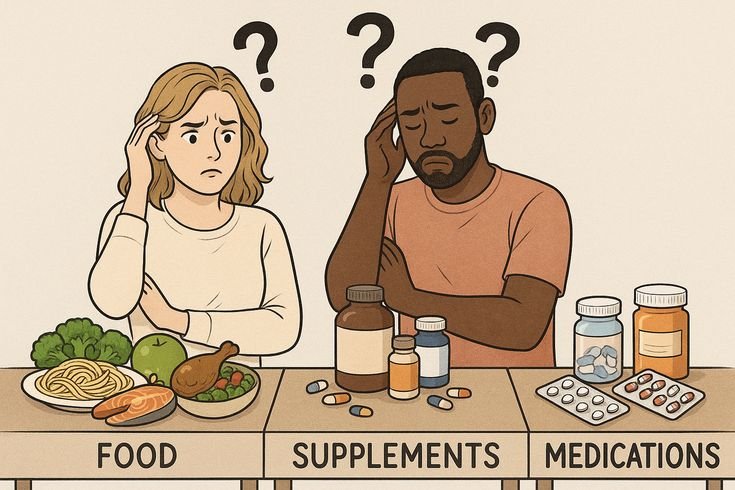
Therapeutic iron doses for documented iron-deficiency anemia are difficult to achieve through diet alone. The amounts needed to correct a significant deficiency within a reasonable timeframe typically require supplementation.
Vitamin D in winter at northern latitudes is a consistent finding across multiple meta-analyses. Sunlight synthesis is limited from roughly October through March above the 40th parallel, and dietary sources are sparse.
What all of these have in common: there’s a clearly identified need, and the supplement is doing something the diet genuinely cannot accomplish on its own. That’s a much narrower list than most supplement shelves suggest.
Frequently Asked Questions
Is bone broth actually proven to help with recovery, or is it just trendy?
The research on bone broth as a whole food is still limited, and most of the supporting science has been done on its components: collagen peptides, glycine, and gelatin individually. What exists suggests meaningful benefits for gut lining integrity and sleep quality. Chicken soup specifically has stronger direct evidence, particularly for respiratory illness, where it appears to reduce inflammatory neutrophil activity. Neither is a cure-all, but both deliver genuinely useful compounds in a digestible form.
I’ve seen vitamin C megadosing promoted for shortening colds. Does that actually work?
The Cochrane review that pooled data from dozens of randomized trials found that regular vitamin C supplementation reduced cold duration modestly in the general population, roughly 8 percent shorter in adults. Starting megadoses after a cold had already begun showed minimal benefit in most populations. Foods rich in vitamin C, including kiwi, bell peppers, and citrus, provide the nutrient alongside bioflavonoids that may improve its activity. The whole-food form is worth prioritizing over therapeutic capsule doses for everyday immune maintenance.
If I already eat yogurt, do I need a probiotic supplement too?
Not for general purposes, no. If you’re eating yogurt with live and active cultures daily, you’re providing ongoing microbial input to your gut. Specific probiotic supplements with clinical evidence for particular conditions, antibiotic-associated diarrhea or IBS, do have evidence advantages because the strain and dose are controlled. But for everyday gut resilience and recovery support, fermented dairy is a solid foundation. Adding a supplement on top of an already fermented-food-rich diet is unlikely to produce additional measurable benefit for most people.
Are there specific foods that actively slow down recovery?
Yes, and this part gets skipped in most discussions. High-sugar foods and ultra-processed foods promote systemic inflammation through both blood sugar mechanisms and gut microbiome disruption. Alcohol suppresses immune function even at low regular intake; it’s one of the clearest dose-dependent immune suppressors in the research. Excessive caffeine disrupts sleep architecture even when it doesn’t feel like it affects sleep onset. During active recovery from illness, these aren’t just foods to moderate. They work directly against the recovery process.
What’s the single most practical food change to support recovery?
Adding plain kefir or yogurt with confirmed live cultures daily is probably the highest-return, lowest-effort shift available. The research on fermented dairy for microbiome health and immune regulation is consistent across multiple study populations, and the barrier to starting is low. After that, ensuring adequate protein intake matters more than most people realize. Immune cell production, tissue repair, and most enzyme systems depend on amino acids, and when someone is focused on vitamins and minerals, protein often gets quietly underprioritized.
The gap between food and supplement isn’t about which is more natural. It’s about what the evidence actually shows for specific outcomes in specific populations. Whole foods win in more of those comparisons than the supplement industry tends to acknowledge. And when supplements do make a clear case for themselves, it’s usually because they’re filling something the diet genuinely can’t provide. That’s a narrower list than most supplement recommendations suggest, and it’s worth knowing the difference.