Most people assume getting better is automatic. You catch something, you feel terrible for a few days, and then your body does its thing and you’re fine. That’s the version people seem to expect.
But that’s not quite how it works.
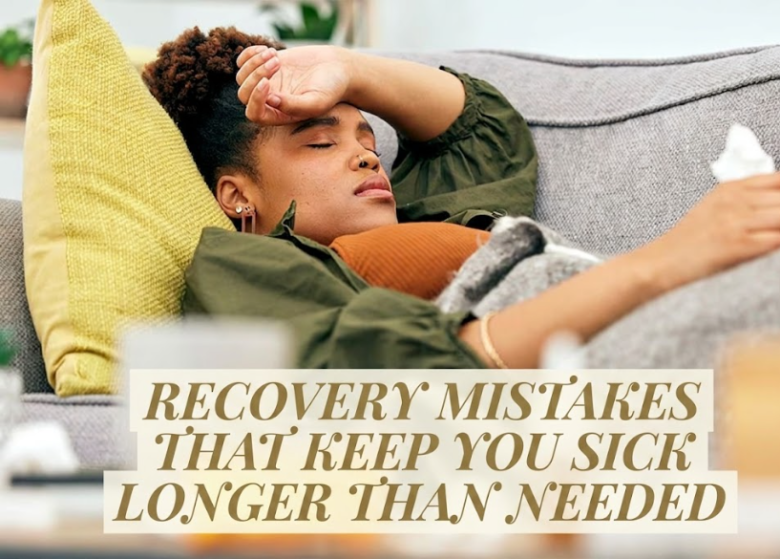
Recovery from a viral illness isn’t just a waiting game. What you do (and don’t do) during and after the acute phase genuinely influences how long you stay sick, and how well you bounce back once the worst has passed. I’ve seen this play out in real patterns over and over. The people who recover fastest aren’t necessarily the healthiest going in. They’re usually the ones who didn’t undercut the process.
So here are the seven recovery mistakes I see most often, and what to do instead.
1. Treating “Feeling Better” as the Finish Line
This one catches almost everyone.
The fever breaks. The worst of the body aches passes. You slept through the night. It feels like progress, and it is, but your immune system is still very much working. Symptoms like fever, fatigue, and congestion are your immune response in action. When they start fading, your body is winning, not done.
Getting up, resuming your normal routine, or pushing through “just a bit of activity” during this window is one of the most reliable ways to extend your recovery by several days. Your immune cells are metabolically expensive to run. Adding physical or cognitive demands during the tail end of this process means your body is splitting resources, and recovery is the one that loses.
Rest doesn’t have to mean lying flat doing nothing. It means being deliberate about not adding load until the job is genuinely finished.
A useful rough guideline: aim to be fully symptom-free for at least 24 to 48 hours before going back to regular demands. And even then, ease in.
2. Skipping Meals Because You’re Not Hungry
Loss of appetite during illness isn’t laziness or drama. There’s a biological reason for it. Cytokines, the signaling proteins your immune system releases, actively suppress hunger. Your body is prioritizing immune function over digestion, so the “not hungry” feeling is genuine.
The problem is that sustained under-eating during recovery leaves your system without the raw materials it needs to repair.
Protein is the most important factor here. Fever and immune activation both break down muscle tissue. Your body can and will pull from lean mass to fuel immune function if you’re not bringing in adequate protein. This is part of why even a moderate illness leaves people feeling physically weaker than expected, and why that weakness lingers if the nutritional gap isn’t addressed.

Small, frequent meals tend to work better than forcing a full plate. Soft proteins like eggs, Greek yogurt, or well-cooked legumes. Broth. Soft cooked grains. The goal isn’t optimal nutrition right now. It’s consistent input to keep repair going.
If you’re wondering which specific foods support recovery better than supplements do, the article on health recovery foods that work better than supplements is worth a read before you reach for a stack of capsules.
3. Jumping Back Into Exercise Too Early
Active people struggle with this one the most.
Missing a week of training feels like a setback. There’s anxiety about losing fitness, about falling behind. And honestly, the logic feels reasonable in the moment: if you feel mostly okay, why not move?
Here’s the issue. Even moderate exercise stresses the cardiovascular system. After a viral illness, and especially one that came with fever, significant fatigue, or respiratory symptoms, the heart and vasculature are in a recovery state too. Returning to strenuous activity before the body has actually finished healing can trigger what’s known as post-exertional malaise, a meaningful crash in how you feel after physical effort that can set recovery back significantly.
In more serious cases, vigorous exercise too soon after certain viral illnesses has been linked to myocarditis, inflammation of the heart muscle. This isn’t common, but it’s real and worth knowing.
Standard guidance is to wait until you’ve been fully symptom-free for at least 48 hours, then return gradually over 7 to 10 days, starting with walking or light movement and watching for any warning signs like elevated resting heart rate, breathlessness, or unusual fatigue.
Exercise after viral illness: is it ever safe too soon? covers the timing in more detail, including what symptoms should make you wait longer than you’d planned.
4. Loading Up on Supplements Instead of Eating
There’s something comforting about taking supplements when you’re sick. It’s a concrete action. You’re doing something. I understand the impulse.
But the evidence for most popular recovery supplements is considerably weaker than the marketing suggests.
Take vitamin C. Yes, it’s involved in immune function. Yes, getting enough regularly matters. But research consistently shows that the benefit comes from adequate baseline intake, not from megadosing during an active illness. Loading high amounts of vitamin C once you’re already sick doesn’t appear to substantially shorten how long you’re ill for most people.
Zinc lozenges have better evidence than most, but the specifics matter. They need to be started within 24 hours of symptom onset and at the right dose to show benefit. Miss that window, and the effect largely disappears.
What tends to matter more than any single supplement is consistent food. Specifically, foods rich in the nutrients most involved in immune function: leafy greens, animal protein, eggs, citrus, and fermented foods. The bioavailability of nutrients from food sources is generally better than from isolated supplements, and food comes with the supporting compounds that help your body use what it gets.
This doesn’t mean supplements are never appropriate. Vitamin D deficiency is a real and common gap, and it does affect immune function. But “I’m sick so I’ll take everything” isn’t a recovery plan. It’s anxiety dressed up as action.
5. Underestimating What Hydration Actually Means
Drink more water. Everyone says this. And it’s not wrong, but it’s incomplete, and the gap between “drinking water” and “actual hydration” is where a lot of people quietly get stuck.
Fever increases fluid loss through evaporation. If there was any sweating, vomiting, or diarrhea involved, electrolytes went with that fluid too, particularly sodium, potassium, and chloride. When you replace all of that with plain water, you can dilute the remaining electrolytes in your blood, which shows up as fatigue, brain fog, muscle cramps, or headaches. These symptoms are regularly mistaken for the illness still running its course, when they’re actually electrolyte-related.
The fix is straightforward but specific. Oral rehydration solutions are the most efficient option. Broth works well, coconut water has decent potassium, and even just adding a small pinch of salt to water and a bit of lemon can help with sodium repletion. The goal is getting sodium in, because sodium is what allows your cells to actually absorb and retain fluid rather than just passing it through.
If you’ve cleared the acute phase but still feel foggy and wiped out, this is worth looking at before assuming something else is going on.
6. Cutting Sleep Short Because You “Feel Okay”
By day three or four, people often start feeling guilty about all the sleeping.
So they cut it. They set an alarm for a normal time, stay up a bit later, try to get back to something resembling routine. Because lying in bed starts to feel like giving in.
But sleep is not passive recovery time. It’s when the actual repair work happens. Growth hormone, which plays a direct role in tissue repair and immune function, peaks during slow-wave sleep. Immune memory formation, which means the process of building long-term protection from an infection you just fought, is also sleep-dependent. There’s a consistent body of research showing that shorter sleep duration is associated with both greater susceptibility to illness and slower recovery from it.
Cutting your sleep window down because you’re “mostly fine” is borrowing against a debt your body is still paying. And the post-viral fatigue that many people experience for weeks after their infection has cleared is often partly connected to not protecting sleep during the recovery window.
If you want to understand what’s happening in those weeks of lingering tiredness, post-viral fatigue: how long the tiredness really lasts breaks this down well. And for the bigger picture on why sleep affects immune defense so significantly, does poor sleep actually destroy your immune defense? is a good one to read while you’re thinking about it.
For now: protect your sleep window. Even if it means saying no to things. The inbox will survive.
7. Stopping Medications or Protocols Before the Course Is Done
This one comes up less often with viral illness than with bacterial infections, where antibiotic resistance makes early stopping a well-known problem, but it’s still relevant.
People prescribed antiviral medications, or following a specific physician-recommended protocol, tend to stop when their symptoms resolve rather than when the course ends.
The logic is understandable. You feel fine. Why keep taking something?
Because viral clearance and symptom resolution are not the same event. Your symptoms fade when your immune system is winning the battle. But the job isn’t necessarily finished. Stopping antivirals early, particularly in conditions like influenza, can allow a remaining viral load to rebound, sometimes more aggressively than before.
If a five-day course was prescribed, complete five days. The prescription was based on the biology of the pathogen and how long clearance typically takes, not on how you feel halfway through.
For over-the-counter management, the same principle applies in a softer form. Don’t declare recovery done before the window is actually closed.
Quick-Reference Chart: The 7 Mistakes at a Glance
| Mistake | Why It Extends Recovery | Better Approach |
|---|---|---|
| Resuming activity when symptoms ease | Immune system still active; energy diverts from repair | Rest until 48+ hours fully symptom-free |
| Skipping meals due to low appetite | Protein/zinc/B vitamin depletion slows repair | Small meals every 3-4 hours with protein focus |
| Returning to exercise too soon | Risks cardiovascular strain and post-exertional crash | Walking only until symptom-free, then gradual return |
| Over-relying on supplements | Poor bioavailability; weak evidence for most common picks | Food first; supplements for documented gaps only |
| Drinking only plain water | Electrolytes not replaced; dilution worsens symptoms | Add broth, coconut water, or oral rehydration |
| Cutting sleep short prematurely | Disrupts repair hormones and immune memory formation | Protect extended sleep window until recovery is genuine |
| Stopping medication course early | Incomplete viral clearance risks rebound infection | Complete all prescribed medication cycles fully |
The Underlying Pattern Nobody Talks About
None of these mistakes are random. They all follow the same logic: the person is trying to get back to normal before they’re actually back to normal. There’s social pressure, professional pressure, the guilt of “doing nothing.” And recovery loses.
At Daily Health Updates, we write a lot about prevention. But honestly, what happens after you get sick matters just as much as what prevents it in the first place. The body wants to recover. But it needs the right conditions to do it, and it can’t manufacture those conditions on its own if you’re actively working against them.
The seven mistakes above are concrete and fixable. And knowing them in advance means you won’t be learning them the hard way, flat on the couch wondering why you’re still sick on day nine.
Frequently Asked Questions
How long should I actually rest after a viral illness? Most straightforward viral illnesses, things like influenza or a moderate respiratory infection, need roughly 7 to 10 days before most people are genuinely recovered, not just past the worst of it. The acute phase may peak at 3 to 4 days, but that’s not the finish line. Budget a full week minimum before returning to your normal physical demands, and a few more days if fatigue is still notable or if your breathing was significantly affected.
Is going back to work after 48 hours reasonable if I feel okay? From a transmission standpoint, most respiratory viruses are less contagious after 5 to 7 days, but “less contagious” isn’t the same as “not contagious.” From a personal recovery standpoint, returning to cognitively demanding or physically active work too early does genuinely extend recovery time for many people. Light, low-stress desk work is different from a physical job or a high-demand environment. But don’t let “feeling okay” be your only signal.
What should I eat when I have no appetite but know I need food? Broth-based soups, soft scrambled eggs, plain oatmeal, banana, cooked rice, yogurt, and toast tend to be well-tolerated. The goal isn’t a balanced meal right now. It’s consistent small inputs, ideally with some protein in each one. Even a small amount of egg or well-cooked chicken is better than skipping and relying on crackers alone. Eating every 3 to 4 hours helps more than trying to force a larger meal.
Do supplements actually speed up recovery, or is that mostly marketing? For most people eating a reasonable diet, the supplement benefit during acute illness is modest at best. Zinc lozenges have the strongest evidence if started within the first 24 hours of symptoms and at an adequate dose. Vitamin C shows minor benefit for some people, but largely only with consistent baseline intake, not emergency high doses. If you’re genuinely deficient in vitamin D going in, correcting that matters. But stacking supplements during illness is more anxiety management than treatment for most people.
Why am I still exhausted weeks after my infection cleared? Post-viral fatigue is common and doesn’t automatically mean something serious is happening. Your immune system ran a significant operation. Your body used nutrients, broke down some tissue, and spent energy reserves it’s now slowly rebuilding. Fatigue that is mild and gradually improving is generally part of a normal recovery arc. But if it worsens after physical activity, or if you’re still significantly impaired beyond three to four weeks, that’s worth discussing with a doctor. Rest, adequate sleep, and good nutrition are the most evidence-based supports in that window.
For more on what slows down recovery and how to support your immune system through the process, the team at Daily Health Updates has a full collection of evidence-based recovery and prevention resources on the site.