

Something I see in health content all the time: goal-setting failures get explained as motivation problems. The person didn’t want it enough, didn’t stay accountable, gave up too easily, needed a stronger “why.” That framing appears in January wellness content, in corporate wellness programs, in coaching frameworks, almost everywhere that health behavior change gets discussed.
And I’ve come to think it’s wrong. Not completely, motivation matters in a real way. But as the primary explanation for why health goals fail consistently, it misses something foundational, and that missing piece is what I want to get into here.
The reason health goals fail most reliably isn’t character. It’s the biological state the person is already in when they sit down to make the goal.
1. The State You’re Actually In When You Set the Goal
Most behavior change frameworks treat goal-setting as a decision problem. You decide to do something differently. You make a plan. You execute. If you fail, you refine the plan or call in more motivation.
What this skips is that decision-making capacity is a biological function. It lives primarily in the prefrontal cortex, the area of the brain responsible for planning, impulse control, self-regulation, and the ability to choose long-term benefit over short-term ease. That function is not constant. It degrades under specific, documented conditions.

A 2000 study by Killgore and colleagues demonstrated that sleep deprivation measurably impairs prefrontal cortex activity, specifically in tasks requiring inhibitory control and cognitive flexibility. These are exactly the capacities needed to install a new habit or resist an old one. Separately, a 2012 review by Starcke and Brand in Neuroscience & Biobehavioral Reviews found that stress exposure consistently shifts decision-making toward impulsive, reward-seeking choices and away from the kind of delayed-gratification thinking that health behavior change requires.
So a person who has been sleeping five to six hours a night, managing ongoing work or family stress, and possibly running low on key nutrients, is setting a health goal with a prefrontal cortex that is, measurably, less capable of executing it. The ambition of the goal and the clarity of the plan don’t change that. The tool being used to make and keep the goal is already compromised.
This is the thing most health goal content doesn’t say.
2. What Allostatic Load Has to Do With It
The concept of allostatic load came out of the work of neuroendocrinologist Bruce McEwen and ecologist John Wingfield in the 1990s. It refers to the cumulative biological cost of chronic stress and adaptation: when the body is called on repeatedly to mount a stress response without sufficient recovery, the systems managing that response wear differently over time.
High allostatic load doesn’t announce itself. The person affected isn’t necessarily sick. They’re just running close to their limits, with the body prioritizing immediate stress response over longer-term maintenance and repair functions. The immune system absorbs some of this cost, which is why sustained stress is associated with increased vulnerability to viral illness. The prefrontal cortex absorbs another portion of it.
You can’t motivation your way out of allostatic load. That’s the actual point. Applying more effort and determination to a depleted system doesn’t restore the system. It sometimes produces short-term results, but the results rarely hold when the underlying state hasn’t changed.
Daily Health Updates Org has covered the stress-immunity connection specifically in the piece on whether chronic stress actually increases your chances of catching viruses. The mechanisms that make stress an immune problem and the mechanisms that make stress a behavior change problem are, in many cases, the same mechanisms. This overlap is underappreciated in both immune health content and in behavior change content.
3. The Feedback Loop That Rarely Gets Named
Here is the part worth naming directly.
The conditions that make behavior change biologically harder are often the same conditions the health goal is designed to fix. Someone sets a goal to sleep better because they’re exhausted. They want to exercise more because they’re sedentary and stressed. They want to eat differently because their current eating pattern isn’t serving them. But the exhaustion, stress, and habits they’re trying to change are the exact conditions that impair the executive function they need to change them.
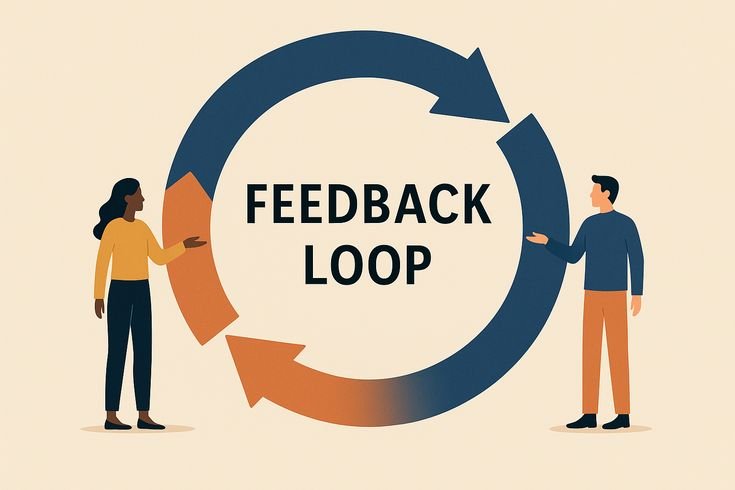
It’s a closed loop, not a linear problem. Treating it as a linear problem produces the failure cycle many people know well: temporary effort, short improvement, regression, self-blame, another goal. And because the explanation is usually framed as a motivation failure, the person goes back to the start with better intentions and a stronger plan, but the same biological baseline.
This connects to something Daily Health Updates Org has looked at in the context of immune health: the picture of signs that the immune system is already running in deficit. The same underlying conditions, chronic sleep deficit, sustained stress, nutritional compromise, that produce those immune warning signs also produce the diminished executive function that makes behavior change feel so exhausting. They’re not separate problems wearing different labels.
Before Adding a New Health Goal: A Baseline State Check
AT-A-GLANCE: IS YOUR BASELINE READY?
------------------------------------------------------------------
Check your current state BEFORE setting a new health goal.

SLEEP
[ ] Averaging 7+ hours per night over the past month
[ ] Waking most mornings without feeling immediately overwhelmed
[ ] Not regularly relying on caffeine to function before 9am

STRESS AND RECOVERY
[ ] Have at least one genuine low-demand window per day
[ ] Not in a sustained high-stress period for 3+ consecutive weeks
[ ] After demanding periods, recovery is happening within a few days

NUTRITIONAL BASELINE
[ ] Eating 2+ real meals per day most days
[ ] Not restricting below 1,200 calories per day
[ ] Vitamin D adequate (supplemented in winter, or tested as sufficient)

COGNITIVE LOAD
[ ] Not managing more than 1-2 other major life changes simultaneously
[ ] Routine daily decisions don't feel significantly draining

SCORE GUIDE:
8-10 checks: Reasonable baseline for adding a new health behavior
5-7 checks: Address the gaps before stacking additional goals on top
Fewer than 5: The baseline itself is the priority. New goals will have much
              higher failure rates until these conditions are stabilized.
------------------------------------------------------------------
4. The Sequence the Research Actually Supports
Behavior change research is fairly consistent on one point: the fewer new demands placed on executive function simultaneously, the higher the success rate for any individual change. Each new behavior you’re trying to install draws on the same prefrontal circuits. Overloading those circuits is one of the most reliable routes to failing at all of them.
What this points to is sequencing. Not all health changes are equally appropriate to attempt in a given biological state, and starting with the ones that reduce allostatic load first creates compounding returns on everything else.
Sleep is the most evidence-supported starting point, for two reasons. First, it’s the most documented immune factor: the 2015 Prather study found participants sleeping fewer than six hours were 4.2 times more likely to develop a cold after direct rhinovirus exposure. Second, sleep is also when the brain performs the consolidation and processing that supports self-regulatory behavior the next day. Better sleep doesn’t just protect immune defense. It restores the cognitive capacity to follow through on the other changes.
Second priority: creating genuine recovery periods. Not packaged wellness recovery with apps and journaling prompts, but actual low-stimulation time when the HPA axis can downregulate. This has no visible deliverable, which is probably why it’s rarely the central recommendation in health goal frameworks. But the allostatic load research consistently points to it as one of the most effective interventions available.
Third, and more practical: before adding new health behaviors, reduce environmental friction so that fewer deliberate decisions are required to do the right thing. The practical home guide to stopping viruses before they spread applies this principle to infection prevention: behaviors work best when the environment makes them default rather than effortful. The same logic applies to any health habit. Design the conditions first. Don’t rely on repeated acts of will.
5. Where Standard Advice Falls Short
Accountability systems, habit trackers, and implementation intentions (if-then plans tied to specific cues) have real research support. Specific plans outperform vague intentions in study after study. Accountability modestly improves follow-through. These tools aren’t useless.
But they don’t compensate for a depleted baseline. A habit tracker doesn’t restore prefrontal function after three weeks of five-hour sleep. No accountability partner lowers sustained cortisol. The downstream effects of allostatic load on self-regulation don’t dissolve because someone has a very detailed plan.
The reason this piece of the picture stays missing from mainstream health goal content is, honestly, that it’s not a motivating thing to say. “Before trying to change your diet, make sure you’re sleeping enough and not chronically stressed” sounds obvious when said plainly, and it sounds like an excuse when someone is already tired and stressed and hoping the goal will fix it.
Sometimes behavior change does reduce the stressor. The path to that outcome is just much more reliable when the biological state isn’t actively working against it at every step.
One side note, and I’ll come back to the main thread in a moment: the immune connection here is direct. Someone operating with impaired sleep, sustained stress, and nutritional gaps isn’t just less able to change health behaviors. They’re also running with reduced immune defense against pathogens they encounter every day. The virus prevention basics that apply to every household depend on a functional baseline level of immune competence, and that baseline is built from the same foundations as behavioral self-regulation. Sleep, adequate nutrition, managed stress. The overlap between “why you keep getting sick” and “why health goals keep failing” is nearly complete.
Frequently Asked Questions
I’ve worked on my sleep and I’m still not following through on other goals. What am I missing?
Sleep is necessary but not the only variable. If sleep improved but sustained work or family stress remained unchanged, the allostatic load may still be elevated enough to impair executive function despite better rest. Multiple baseline conditions need to stabilize, not just one. Also worth noting: a week or two of improved sleep is different from a stable sleep baseline over a month or more. The prefrontal benefits of consistent sleep accumulate over time, not overnight.
I’ve heard that willpower fatigue research doesn’t hold up. Is what you’re describing the same thing?
Not quite. The specific ego depletion model, the idea that willpower exhausts within a single day like a muscle, has had genuine replication problems, and that’s worth acknowledging. What hasn’t been seriously challenged is the broader finding that chronic sleep deprivation, sustained stress, and metabolic compromise produce lasting impairments to executive function. The mechanism may be different from what the original ego depletion literature described. The practical outcome is similar: a chronically taxed brain makes more impulsive, less effortful choices on a consistent basis.
I’ve been failing at health goals for years. Does that mean my allostatic load is permanently elevated?
No. Allostatic load responds to changes in the conditions that produced it. McEwen’s own research on recovery points to consistent sleep, regular moderate physical activity, social connection, and reduced ongoing stressors as the main paths toward restoration. The complication is the feedback loop: some of those interventions are harder to sustain under high allostatic load, which is exactly the problem. The most effective starting point is usually the change with the lowest friction and highest return. For most people, that’s sleep, before attempting anything else simultaneously.
I can’t reduce stress right now. I have obligations I can’t remove. What’s realistic?
The practical adjustment in that situation is to reduce the scope of the goal rather than its frequency. A smaller change that can survive the worst week you’ll have this month builds more than a larger change that collapses when circumstances intensify. If the coming month includes a major work deadline, a difficult family situation, or any other significant stressor, this is not the month for a comprehensive dietary overhaul or a six-day training schedule. It might be the month for one specific behavior that improves sleep by twenty minutes a night. That still counts.
At what point should I see a doctor rather than adjusting my approach to goal-setting?
When the pattern is persistent across months rather than weeks, and when basic health function feels impaired rather than just difficult. Consistently poor sleep despite effort, fatigue that doesn’t respond to rest, frequent illness, or mood and cognitive changes that feel outside the normal range are all signals that the underlying state may need clinical assessment. A blood panel covering thyroid function, vitamin D, iron, and inflammatory markers like C-reactive protein is a reasonable starting point for that conversation with a healthcare provider.
McEwen described allostatic load as “the price of adaptation.” The body has been paying to manage ongoing demands, and the price is a reduced capacity to take on new ones.
Health goals set against that price, without first accounting for it, face a biological headwind that planning and motivation alone don’t overcome. Addressing the price first isn’t avoidance. It’s the thing that makes the other things possible.